For coffee lovers around the world, each country provides its own rituals that create a cultural experience each time you have a cup. Starting in Finland and continuing through Italy, there are homes and cafés where a variety of types of coffee and methods of serving them are enjoyed. In Vietnam, for example, coffee can be served with eggs, while in Italy you can take your espresso while standing a the bar. Each of these experiences provides a different form of social interaction, and a different type of coffee. Here are some of the wonderful and rich coffee experiences around the world.
1. Sipping Espresso Standing at Italian Coffee Bars
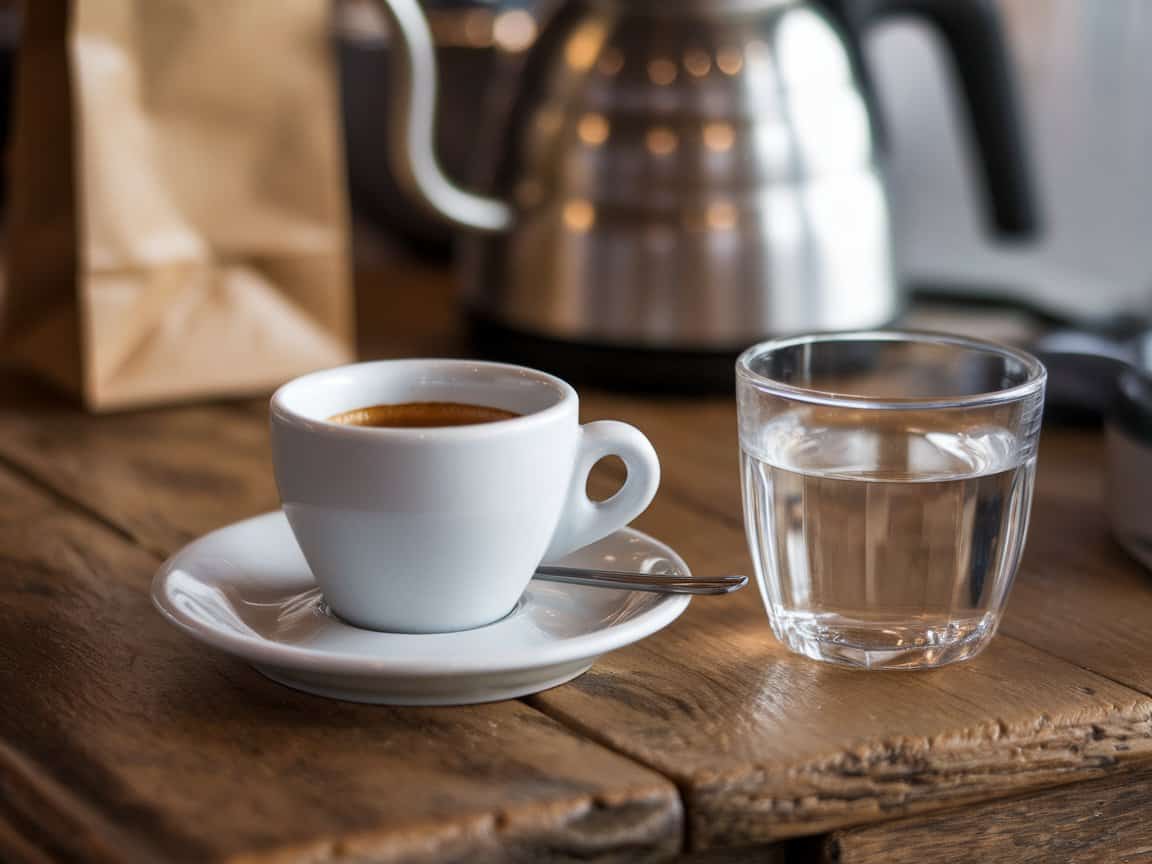
In Italy coffee is not a drink, it is a ritual. When you go into a coffee bar you will see multiple people standing at the bar counter. Each one is having a chat, and enjoying an espresso shot. Bar counter interaction is actually a form of socialization, and is meant to develop a social connection with people in your community. Meetings at the cafe are not just for socialization, but are opportunities to share knowledge and ideas. The bar counters are a critical aspect of Italian social culture.
Get a FREE first bag of coffee from our friends at Atlas Coffee Club when you subscribe. Enter your email to get the deal.
2. Ethiopia’s Elaborate Coffee Ceremonies
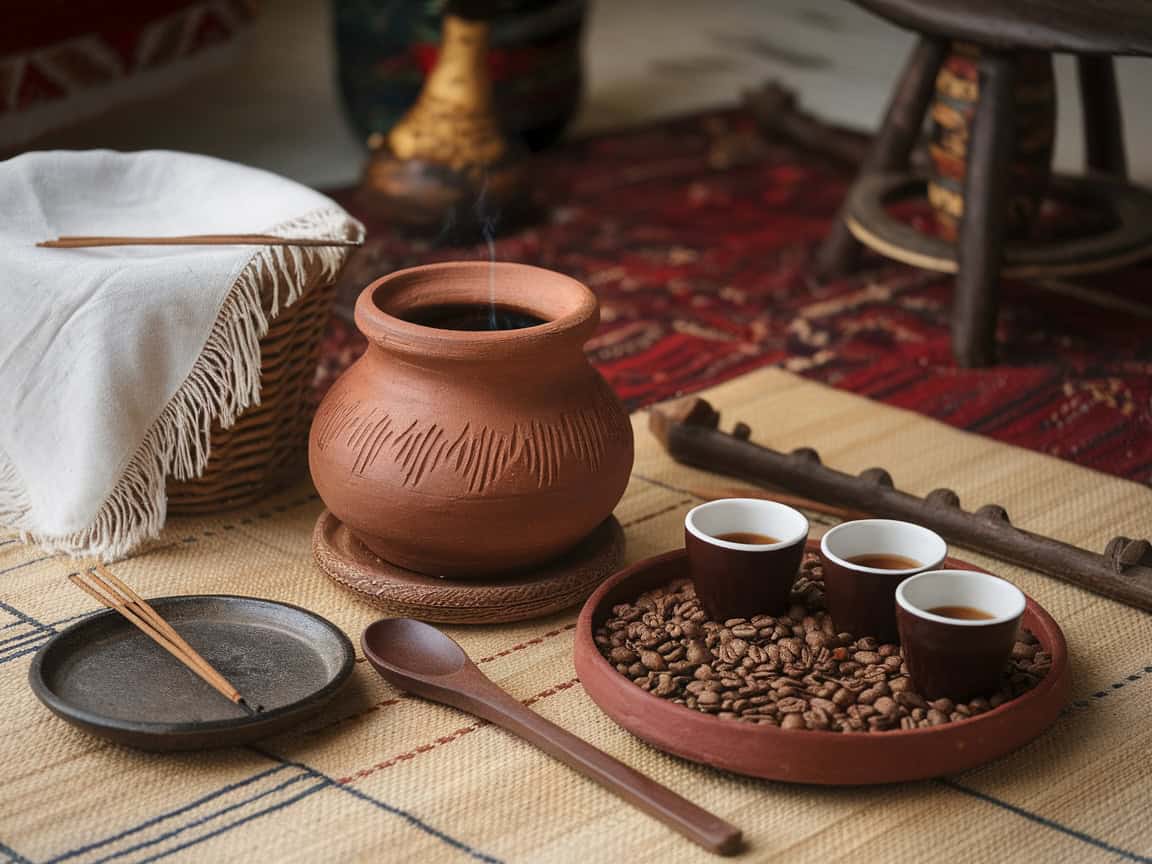
Ethiopia is well-known as the origin country of coffee as well as a great place for unique traditions and ceremonies, especially when it comes to coffee. These coffee ceremonies have a lot of meaning and importance to Ethiopia’s culture. During the ceremony, attendees roast green coffee beans, which creates a pleasing smell to the attendees. This is followed by a grinding of the roasted beans which are then brewed in a jebena, which is a type of clay pot that is used to brew coffee in Ethiopia. The brewed coffee is then poured into small cups and given to attendees of the ceremony as a sign of Ethiopian hospitality. Three cups of coffee are served to each attendee during a ceremony. The first cup or round of coffee is called Abol, the second cup is called Tona, and the last cup is called Baraka. The last cup or the Baraka cup is served as a blessing and means that the person receiving the cup has been blessed. This whole process creates a very open space for conversations amongst attendees and shows how important coffee is in their culture, how it brings people together, and how it is considered a connective beverage rather than an energy booster.
3. Fortune Telling with Turkish Coffee Grounds
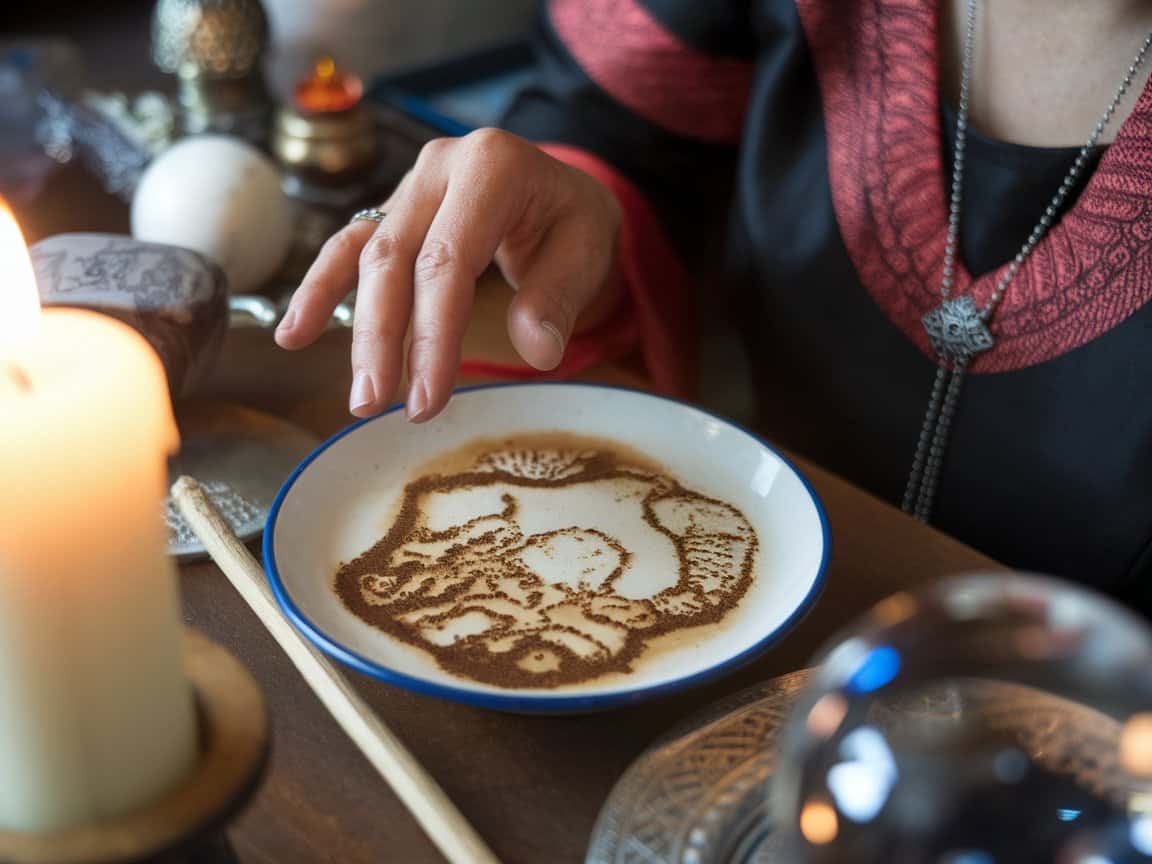
In Turkey, strong coffee is made and served. This coffee is served with the goal of creating or seeing opportunities that will open up for people once they drink this coffee. After drinking the strong coffee, the attendee is supposed to flip their cup, which contains the grounds of the coffee, over onto the saucer and let it cool. Once it has cooled, the person with the coffee grounds is supposed to have their cup read or is supposed to let someone read it. This is done because the patterns formed by the grounds are supposed to tell a story or provide insight into foretell or elaborate on occurrences that will happen in the future. This whole process is known as Tasseography, which is the practice of reading grounds to see the future. This tradition is very important to many people, even if they do not fully believe in the future telling aspects of it.
4. Finland’s Unique Kaffeost: Coffee with Cheese
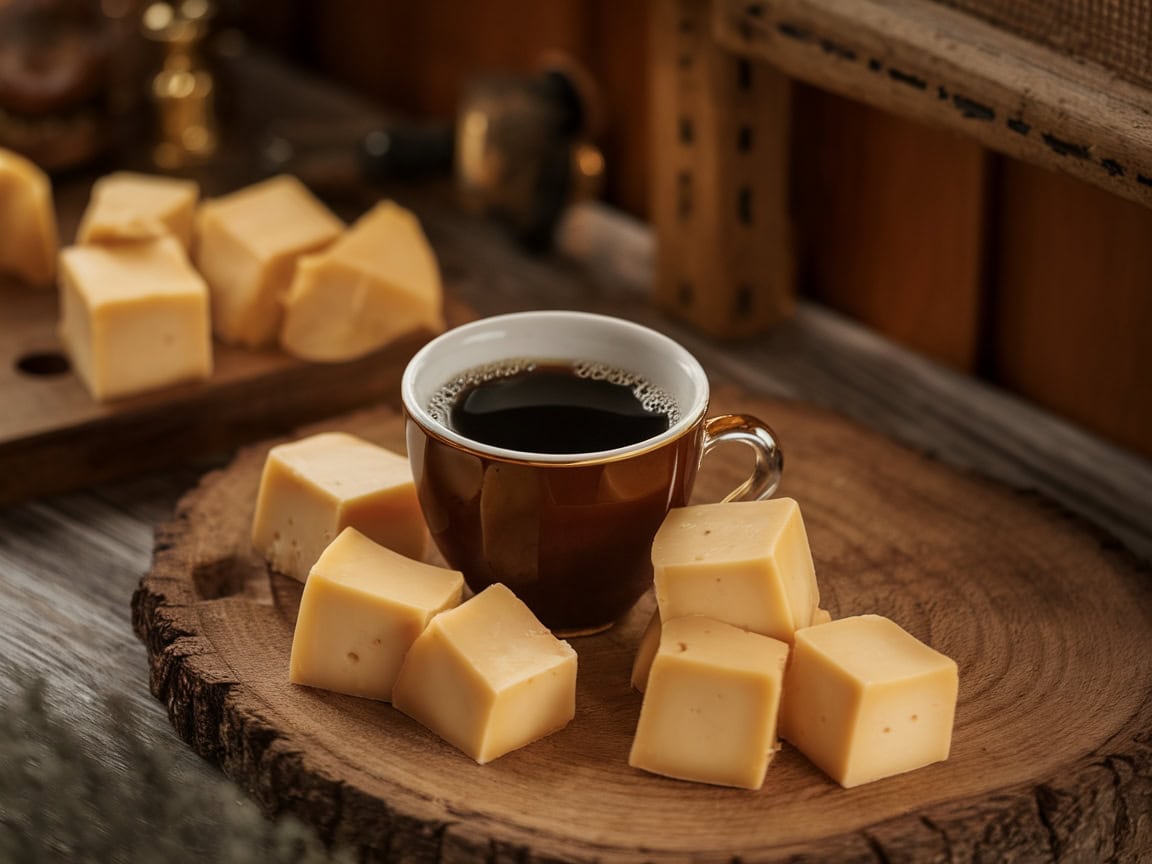
A surprising combination of flavors awaits coffee lovers in Finland: Kaffeost. Kaffeost combines coffee with leipäjuusto, which is a mild ‘squeaky cheese’. When Kaffeost is made, cheese cubes are put in a cup of hot black coffee. The cheese cubes soften and take on the flavors of the coffee. This coffee and cheese combo is traditionally enjoyed in the Finnish Lapland region of Finland. In the winter months, it is common for people to drink Kaffeost around a fire. Sipping Kaffeost is more than simply enjoying a weird combination of cheese and coffee, it is a ritual that is part of Finnish culture.
5. Indulging in Vietnam’s Sweet and Creamy Egg Coffee

An unusual coffee treat awaits visitors in Vietnam’s bustling streets: cà phê trứng, or egg coffee. Created in Hanoi in the 1940s when milk was in short supply, this coffee is made of strong dark Vietnamese Coffee topped with whipped egg yolks, sugar, and condensed milk. The whipped egg yolk mixture is sweet and has a dessert like texture that offers a delightful counterpoint to the bitterness of the coffee. This coffee treat is a great creation and is loved by all. Cozy cafes, many of which are located in the city’s vibrant streets often serve it. The egg coffee is served with a spoon so that patrons may enjoy every bit of the whipped egg yolk mixture.
6. Savoring Mexico’s Spiced Café de Olla
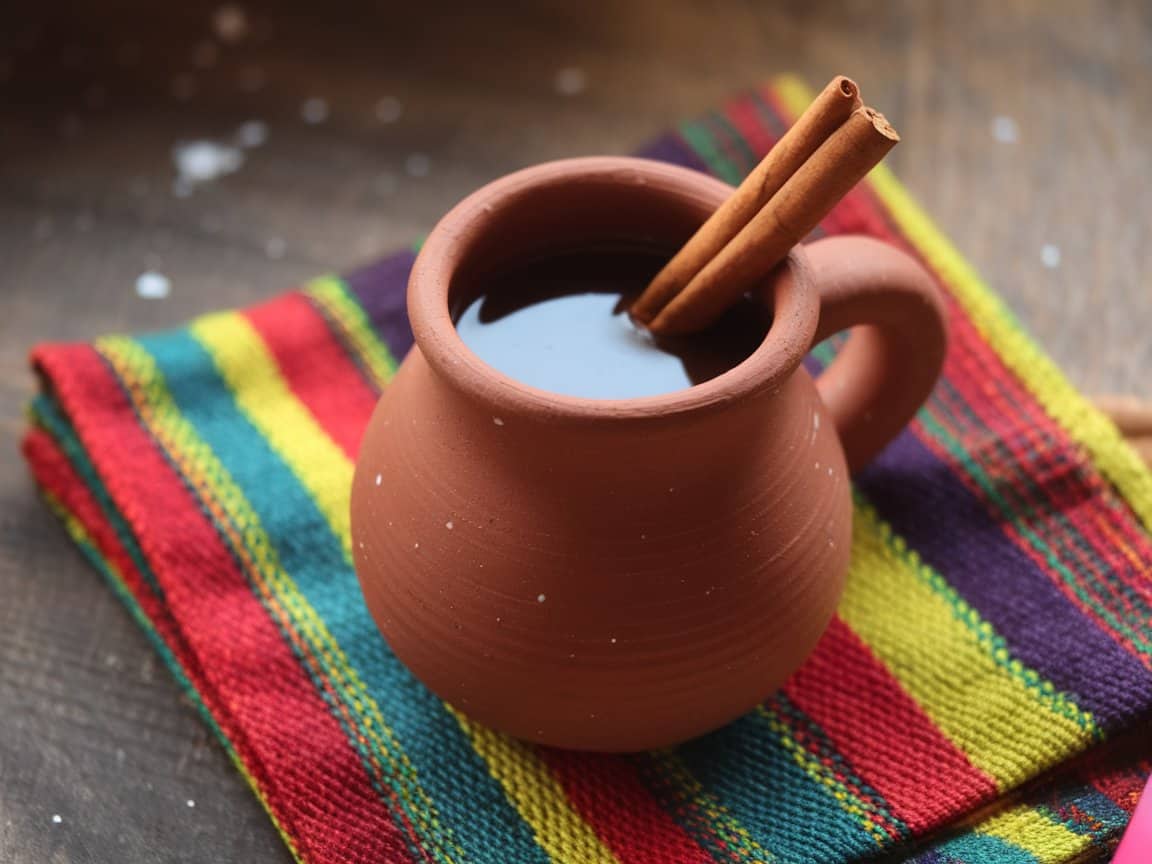
In the center of Mexico, they have their own custom when it comes to making coffee. Instead of just a regular cup of coffee, they make what is known as Cafe De Olla. This is made from boiling water, coffee, cinnamon, and piloncillo, (which is a type of brown sugar). Sometimes they add cloves or star anise. This coffee is sweet and spicy and keeps you warm. While sitting down enjoying a nice cup of coffee, it is usually accompanied with a sweet snack called Pan Dulce. This coffee is a tradition and is served on many different occasions, especially during the Mexican revolution to keep the soldiers energized.
7. Relaxing in Austria’s Elegant Coffee Houses

In the city of Vienna, they have their own culture when it comes to drinking coffee. The city has giant and old coffee houses with really elegant and classic decorations. The walls are made out of marble, and the chairs and tables are combined to form one piece so it looks very beautiful. One of their coffee specialties is called \”Melange\” which is similar to a cappuccino. As well as the coffee they serve a beautiful and rich chocolate Sachertorte, which has apricot jam in it, between the layers of chocolate. People spend hours sitting around talking, reading, or just watching other people from their chairs in these historic houses. When in Vienna everybody enjoys being in these beautiful and historic houses, and drinkin their delicious coffee.
8. Embracing Fika: Sweden’s Beloved Coffee Break
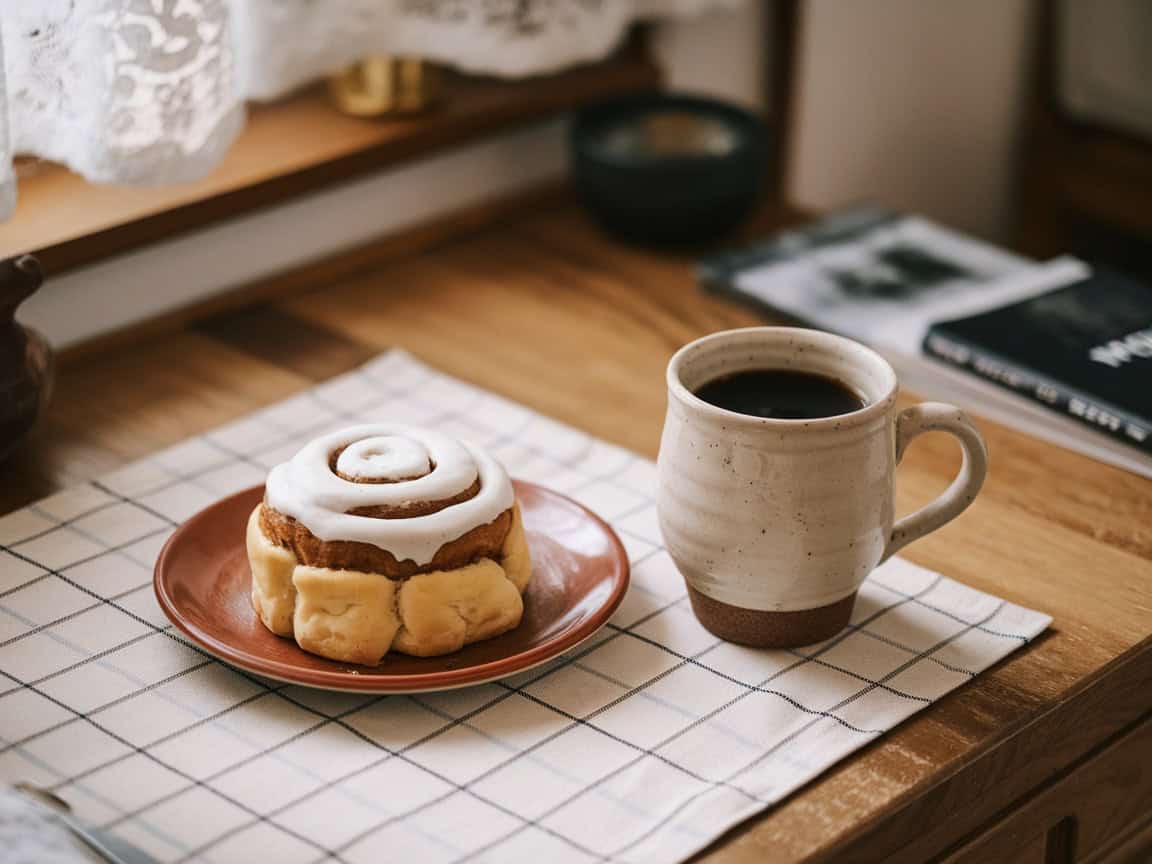
In Sweden, Fika means more than just the opportunity to enjoy a cup of coffee. It is a daily tradition where friends, family, co-workers, etc. get to stop what they are doing to enjoy each other’s company, have a cup of coffee, and eat pastries (Fika break). It’s about stepping away from the hectic pace of daily life to relax and socialize with those around you. Picture a cozy kitchen or a busy office – it’s almost a mini coffee shop and Fika is the reason. With a freshly brewed cup of coffee in hand, everyone gathers to enjoy some tasty treats, ranging from cinnamon buns (kanelbullar) to cardamom buns (kaffe). Fika is social practice of slowing down and spending time with others instead of a quick stop at the coffee shop.
9. Tasting Senegal’s Spicy Café Touba

Café Touba is a unique coffee brew from Senegal. It has a surprising blend that includes a use of an exotic spice to give the drink a bit of a kick. The warm peppery flavor is created by using a certain type of spice called grains of selim. It is a coffee drink that is not merely for providing caffeine. It is an important part of Senegalese life as a spiritual beverage. The drink is commonly served with family ends as a customary post-meal beverage. The drink also has a place in the coffee culture of Senegal and like other gourmet coffee drinks tends to be sweetened with sugar. The drink is served with a side of hospitality and offers an experience of the rich culture of Senegal.
10. Grabbing Canned Coffee from Japan’s Vending Machines
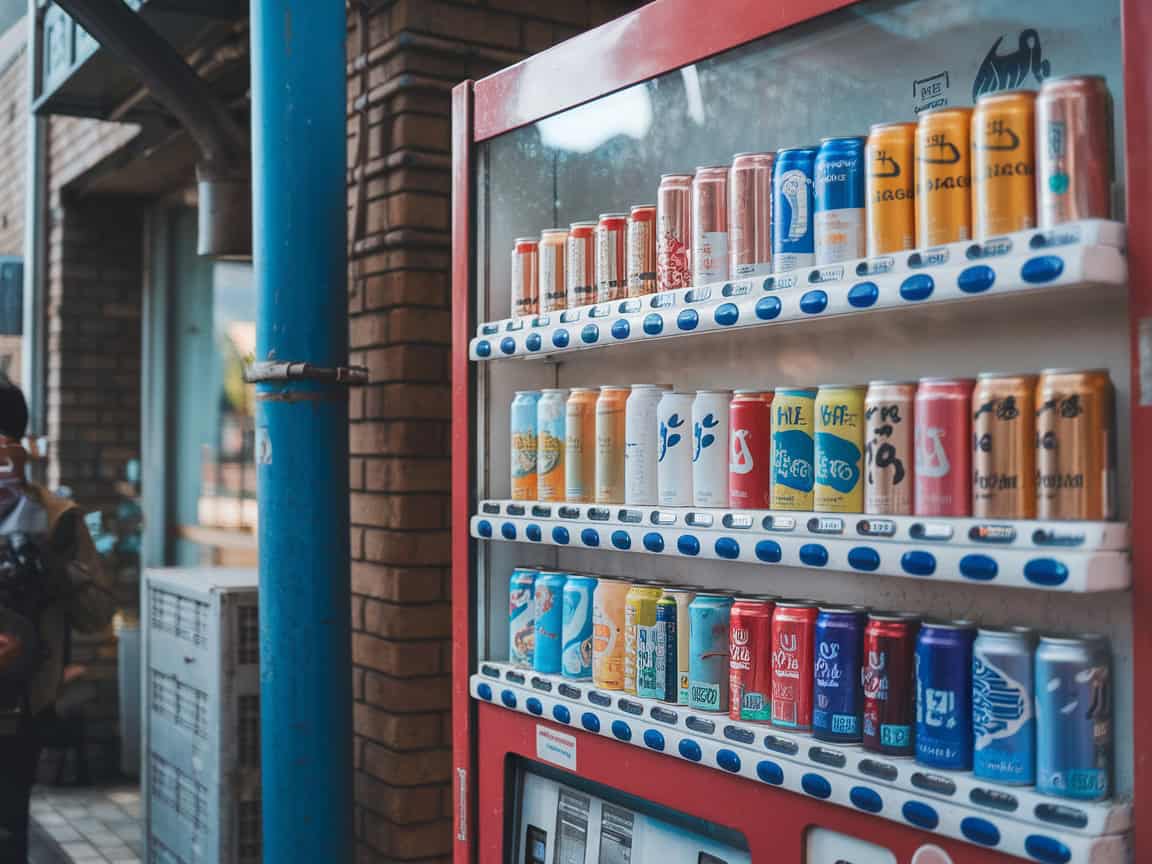
In Japan, it is common to see vending machines selling hot and cold canned coffee. The machines are strategically placed near train stations, making it easy for commuters to grab a can when they need a pick-me-up. The selection includes an array of flavors to choose from, such as black coffee, latte, and even some with added matcha or caramel. Canned coffee was first introduced to Japan in the 1960s by UCC, and has since become a part of the country’s consumer culture. This practice is actually part of a more global phenomenon termed “nomadic consumption”, in which individuals consume products while staying in constant movement. While in Tokyo or Kyoto, enjoy Japan’s unique vending culture by selecting either a hot or cold can of coffee from one of the many available vending machines.
11. Enjoying a Morning Café au Lait in France
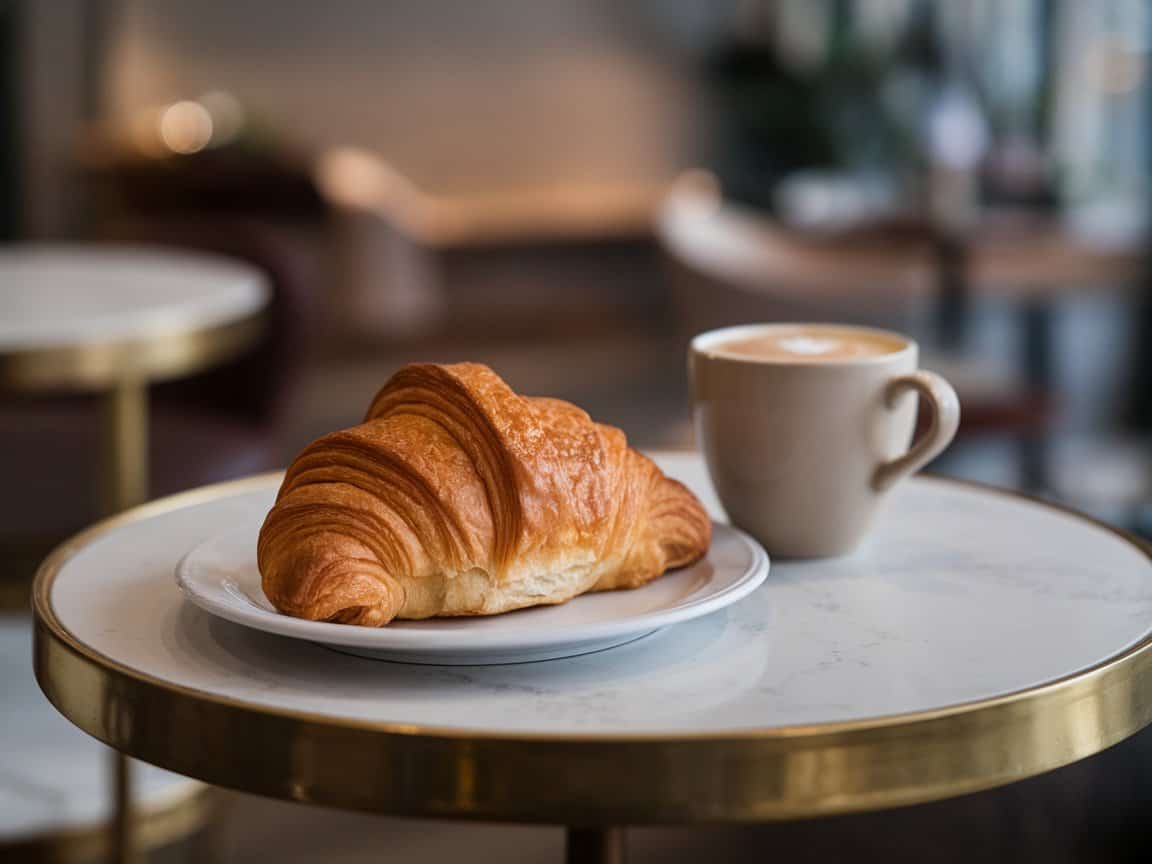
Starting the day with a delicious café au lait brings life to a morning routine. In a French café using a bowl-like cup, a client could receive a warm blend of espresso and milk to be carefully sipped and enjoyed with a choice of crusty baguette or flaky croissant. French café traditions are elegant and simple – if one opts to eat at the venue, they can observe the world outside while dunking their croissant into the enormous cup. This experience defines the French lifestyle. It does not only appreciate the quality of coffee but also the importance of the moment of break it brings before engaging in the daily hustle.
12. Sipping Morocco’s Aromatic Spiced Espresso

In the beautiful markets and cafés of Morocco, one can find an interesting twist on espresso, Moroccan spiced espresso. This aromatic brew is enriched with cardamom, cinnamon, and nutmeg added to espresso and improves the already bold flavor. Whether you’re at a busy city souk or an outside courtyard of a riad, this spiced apple and cinnamon drink is the best companion drink of your Morrocan meal. Plus, it helps you appreciate the taste, the hospitality, and the inviting spirit the Morrocan culture masterfully gives in the drink.
13. Trying Hong Kong’s Yuanyang: Coffee-Tea Blend
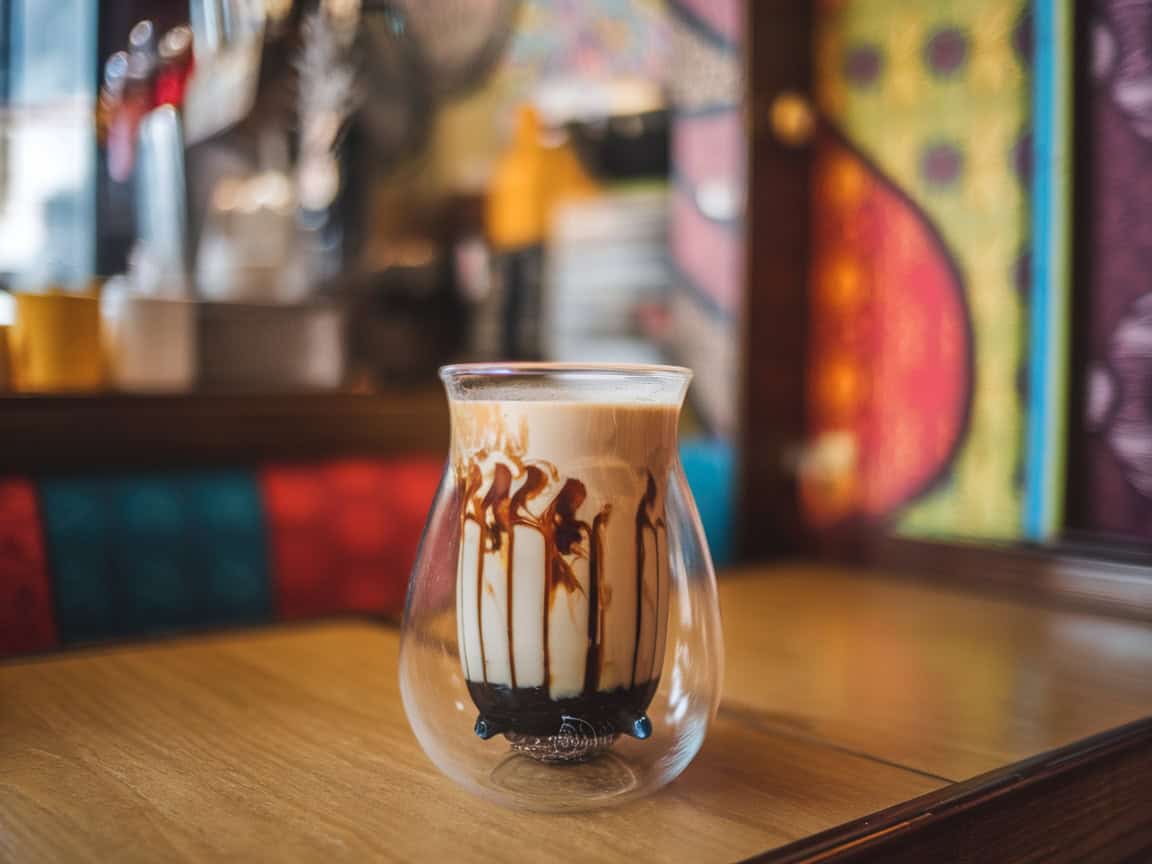
In Hong Kong’s melting pot of cultures and food, Yuanyang is a drink that puts two culinary traditions together. It combines the strong punch of coffee with the sweet creaminess of milk tea and is a true representation of Hong Kong’s eastern and western values. You can enjoy it hot or cold in a cha chaan teng, a type of diners that embodies the essence of Hong Kong’s daily life. For those who love experiment with food, this drink playfully combines two traditional drink favs, a frothy sweet milk tea and a strong black coffee. The blend of drinks is together to symbolize a family. Each sip gives you a truly delightful experience of the drink and the culture behind it.
14. Cooling off with Greece’s Frothy Frappé
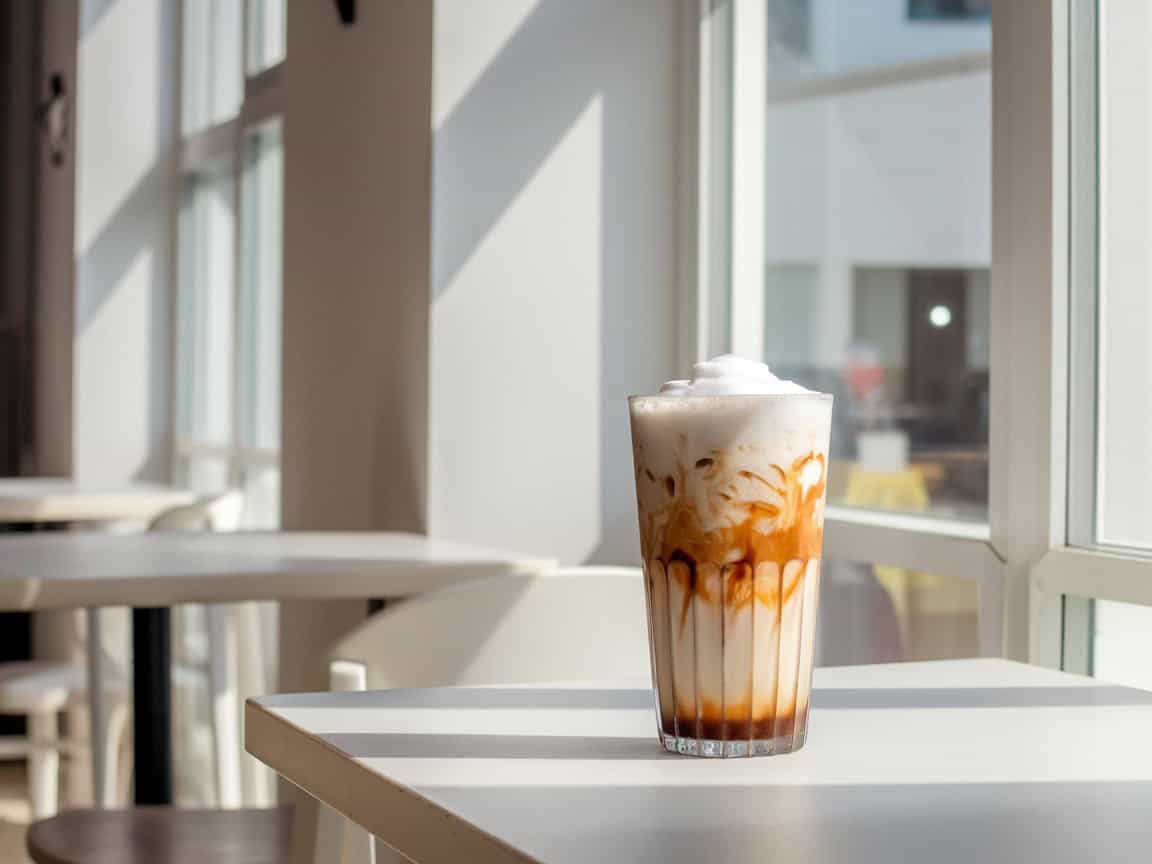
In Greece, summer means sipping frappes. Tourism and local life culture hinges on this easy way to get a caffeine boost. Made from instant coffee, mixed with water and sugar, and then blended into a creamy foam, they are served cold, making them refreshing and perfect for a hot day. Frappe coffee acts as an appetizer to peel off the heat and socialise, mostly served at the centre of busy coffee houses and at the edge of calm of the beaches. They are the perfect drink for a hot day and Greece’s patio vibe while cooling down. They are also perfect for short refreshment breaks while exploring the ancient ruins or for a long sit and do nothing break to enjoy Greece.
15. Pairing Cortado Coffee with Tapas in Spain
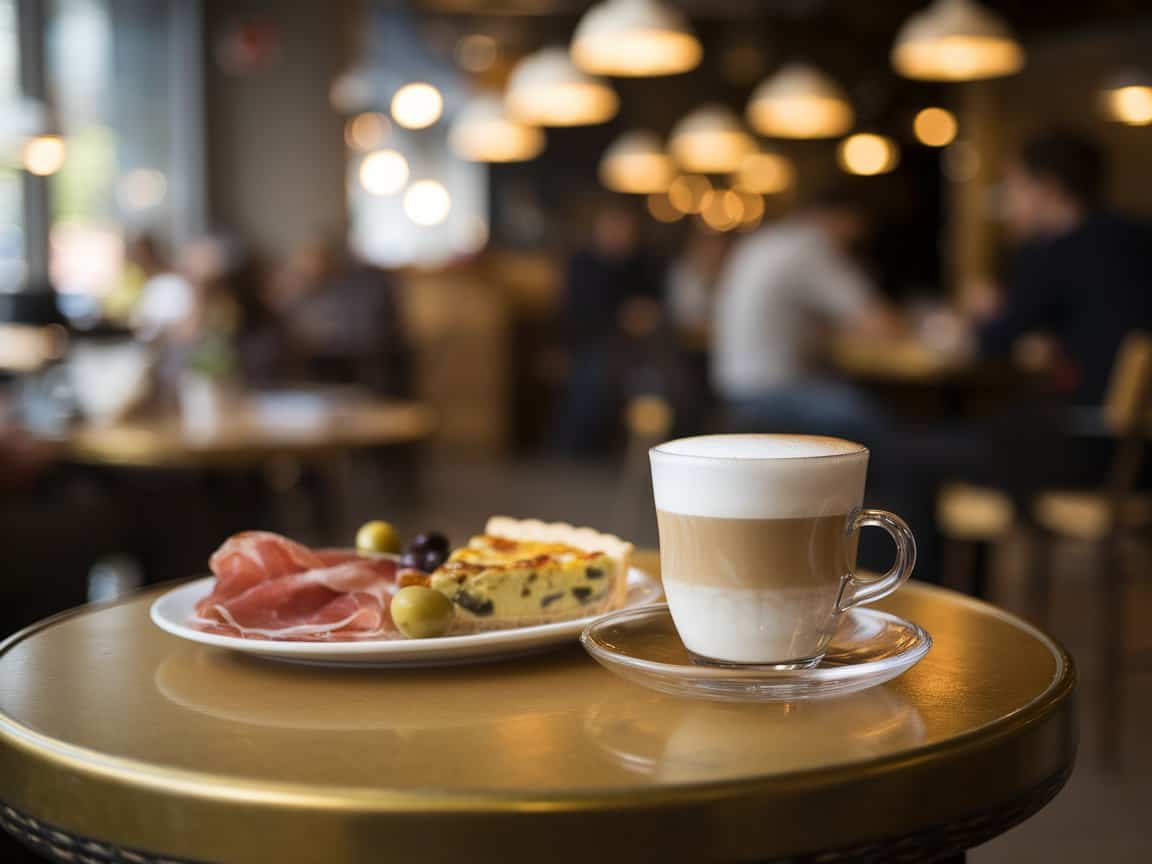
The combination of strong espresso and warm milk means a cortado is a true expression of the Spanish love for balance in their dining experience. With a passion for detail, cafes prepare these beverages and serve them to weary clientele ready to socialize in the afternoons. However, the experience goes beyond coffee. At cafes, it is customary to order a small and savory tapas alongside your drink, which will draw out and complement the depth of flavor of your cortado. While the drink is often accompanied by a small Spanish tortilla, a piece of jamón, or olive, the addition of a small plate tapas encourages you and your friends to enjoy a good conversation. The service of a cortado and small tapas is just not a part of your routine but a celebration of good company and the little pleasures of life. This custom is a testimony to the happy social dining experience that Spain offers, and place where the emphasis is on adding value to life in small sips and bites.