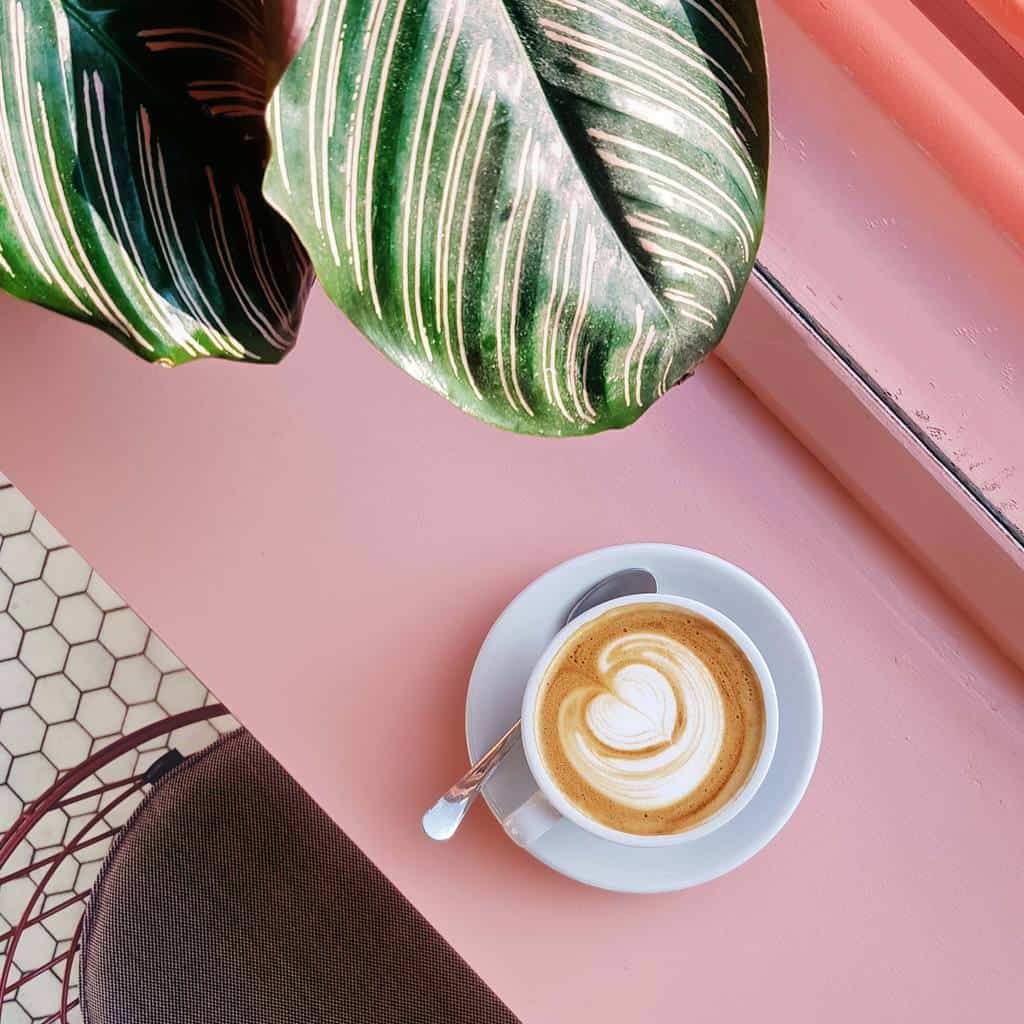
Coffee is more than just a drink. The process of brewing and drinking coffee is a timeless ritual that transports us to another time and place and lets us experience a culture that spans centuries. It does not matter whether you are a seasoned coffee veteran or just starting your journey in the world of coffee; each cup can be full of surprises and presents new experiences. Knowing some of the different coffee-related terms will help your journey even more, because it will help you appreciate what is yet to come even more. The following guide will show you some of the most used terms that relate to different brewing methods; along the way, you will discover some advanced methods too. Each method will give you a different perspective on the subtleties of what lies inside each cup of coffee. Enjoy the brewing process!
1. Espresso: The Foundation of Coffee Culture
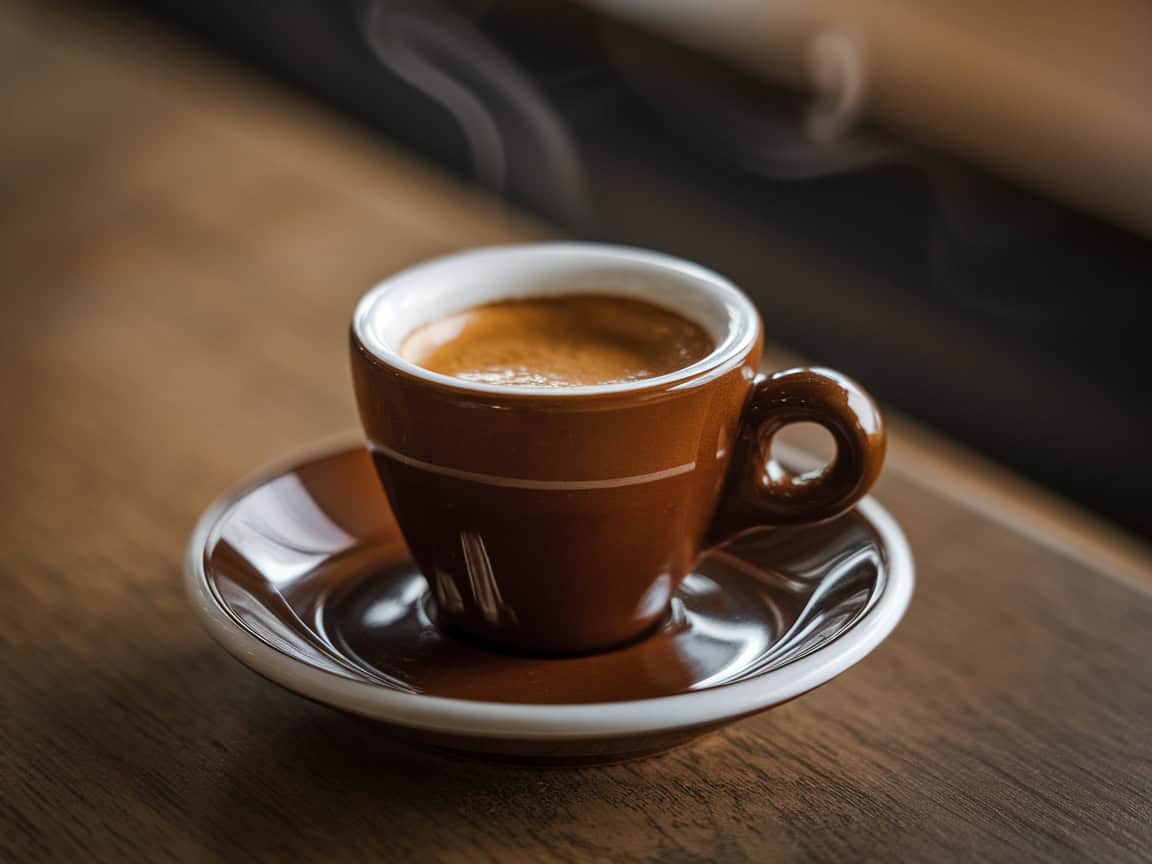
Espresso is one of the most important types of coffee and is served in many different coffee drinks around the world. It is served with a frothy, yellow top, and is made by forcing hot water through coffee grounds, which gives it a really strong flavor. One of the biggest differences between espresso and other coffee types is its versatility. It can be served on its own or used as the base for lattes, cappuccinos, or Americanos. Because of these features, espresso is a very important part of the whole coffee experience, especially for those who enjoy rich coffee, because a good espresso shot is full of flavor and complexity.
Get a FREE first bag of coffee from our friends at Atlas Coffee Club when you subscribe. Enter your email to get the deal.
2. Latte Art: Crafting Coffee Masterpieces
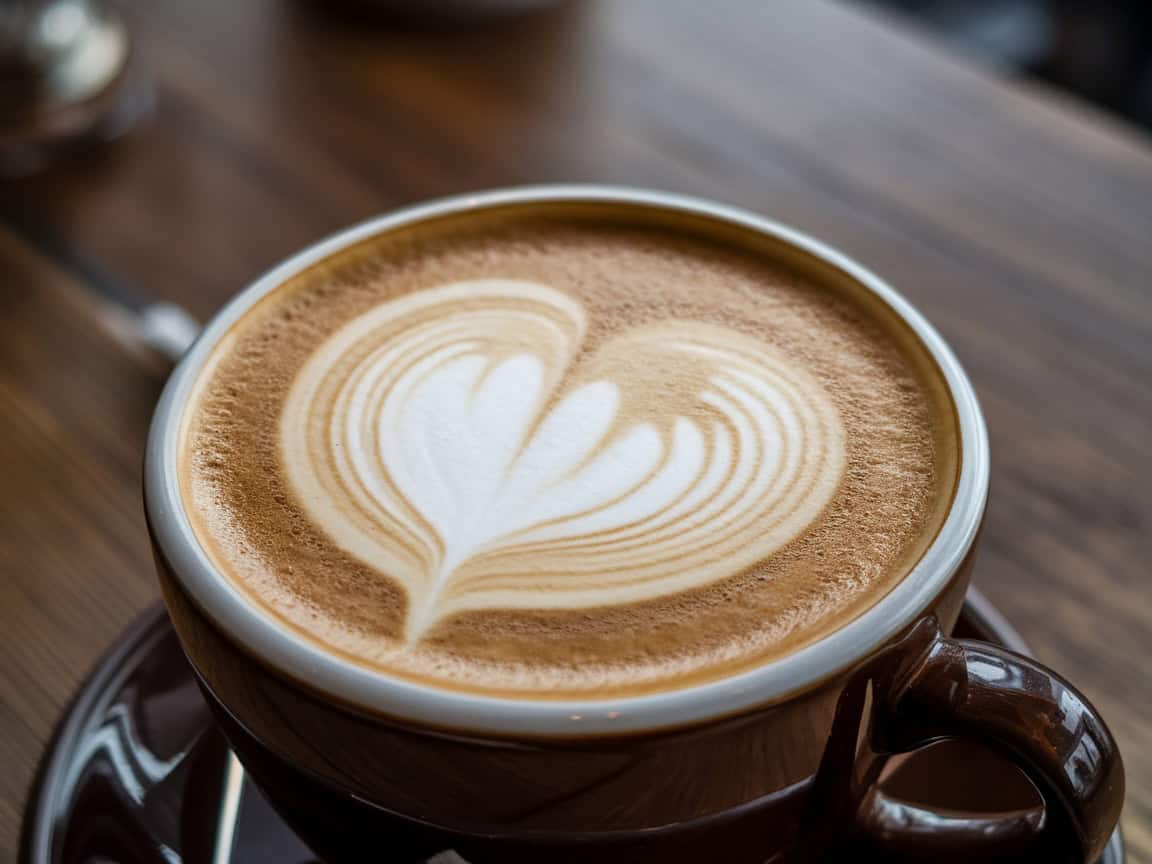
Latte art takes a regular cup of coffee and makes it into an original work of art. It started in specialty coffee and it is done by running steamed milk mixed with espresso while pulling different designs. These designs can be hearts, rosettas, swans, and many others. While the finished cup looks pretty and unique, the creation of an art cup requires a skilled barista to create the foam to a precise consistency and texture to allow the art to hold its shape. This takes practice. The designs in the coffee are a way for the barista to express their love and passion for coffee, as well as show the customer the artistry and skill that went into making their drink.
3. Third Wave Coffee: The Revolution in Your Cup
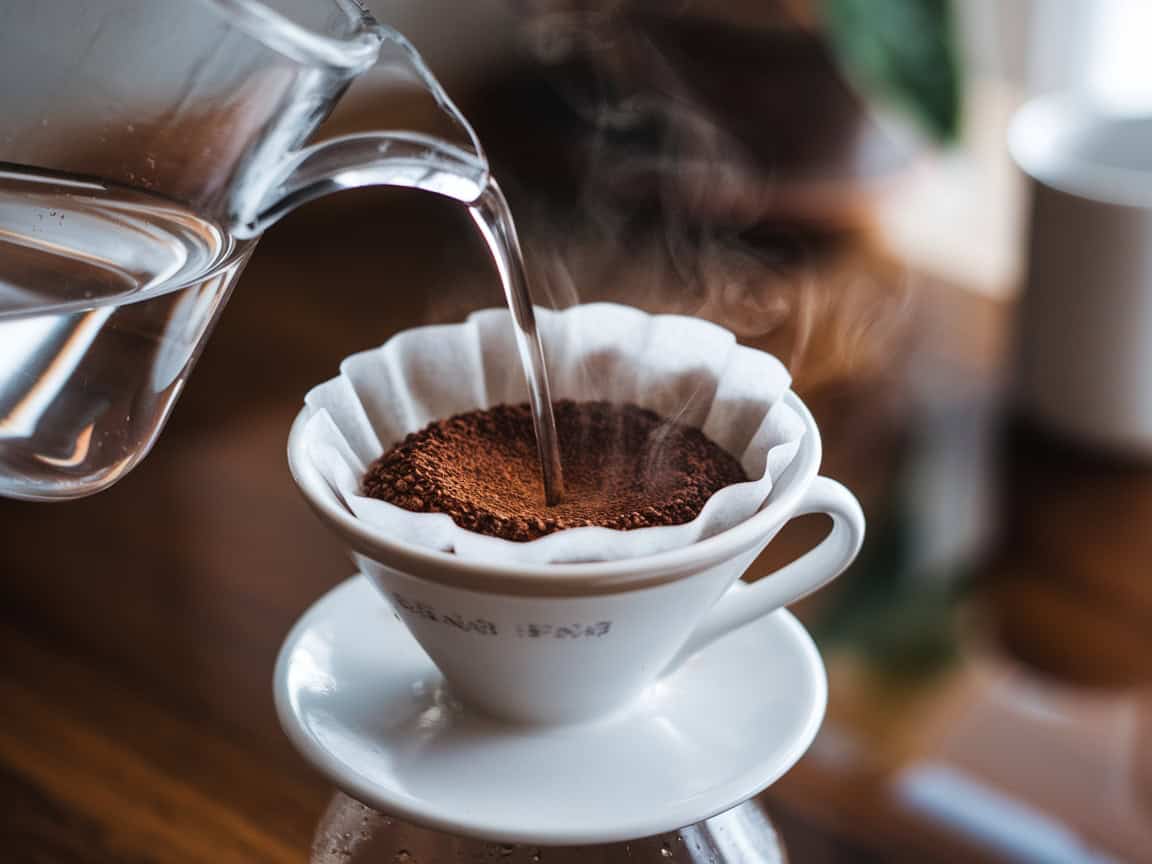
The third wave coffee movement elevated coffee from an everyday beverage to something like fine wine. It put an emphasis on single origin quality coffee and brought transparency to the roasting process. This movement encouraged a deeper appreciation for the craft and skill involved at every stage of the coffee supply chain from bean to cup. People began to recognize and appreciate the varying flavor profiles, as well as the origin of the coffee and the farmer who cultivated the beans. Many third wave coffee shops showcase their ethical coffee supply chains and fair trade partnerships with farmers.
4. Single-Origin Coffee: Discovering Unique Flavors

With the first wave of coffee culture, drinking coffee became commonplace. During the second wave, it became common to visit coffee shops and start “coffee dates” because of the elevated social atmosphere of a shop. Today, during the third wave, people are more selective about their coffee, and many coffee drinkers prefer single-origin coffee. Single-origin coffee is characterized by beans coming from a single geographical location, whereas blends are made of beans from multiple locations, and as a result, tastes can be quite different. This also allows one to explore the terroir, or the unique environmental location, of the coffee bean and the coffees. As an example, Ethiopian beans are known for their bright, citrus flavor, whereas Colombian beans are known for their chocolatey and nutty flavor. Because of these more unique and distinct taste profiles, this has resulted in the coffee drinking community gravitating toward single-origin coffees.
5. Arabica vs. Robusta: The Beans Behind the Brew
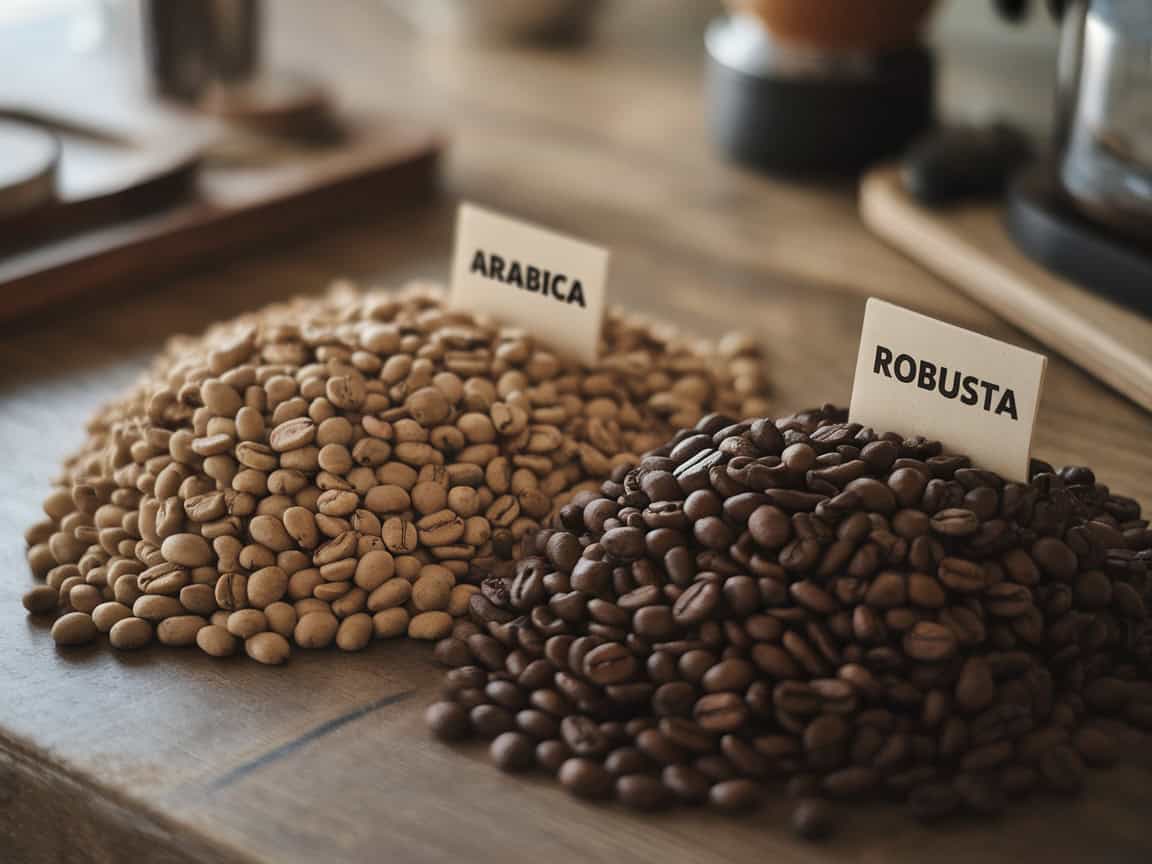
Regarding coffee bean types, both arabica and robusta beans have their place in coffee culture. Arabica beans tend to be a bit more expensive as they come from an environment in which they are more fragile and need to be grown at a higher altitude. They have a relatively smooth taste, with hints of fruit and sugar, and a bit of a sour finish. Contrarily, robusta beans are cheaper and have a more bitter and earthy taste, with higher caffeine so they are quite a bit stronger. Each type of coffee bean brings a unique flavor experience to the table.
6. Pour-Over Coffee: Precision in Every Pour
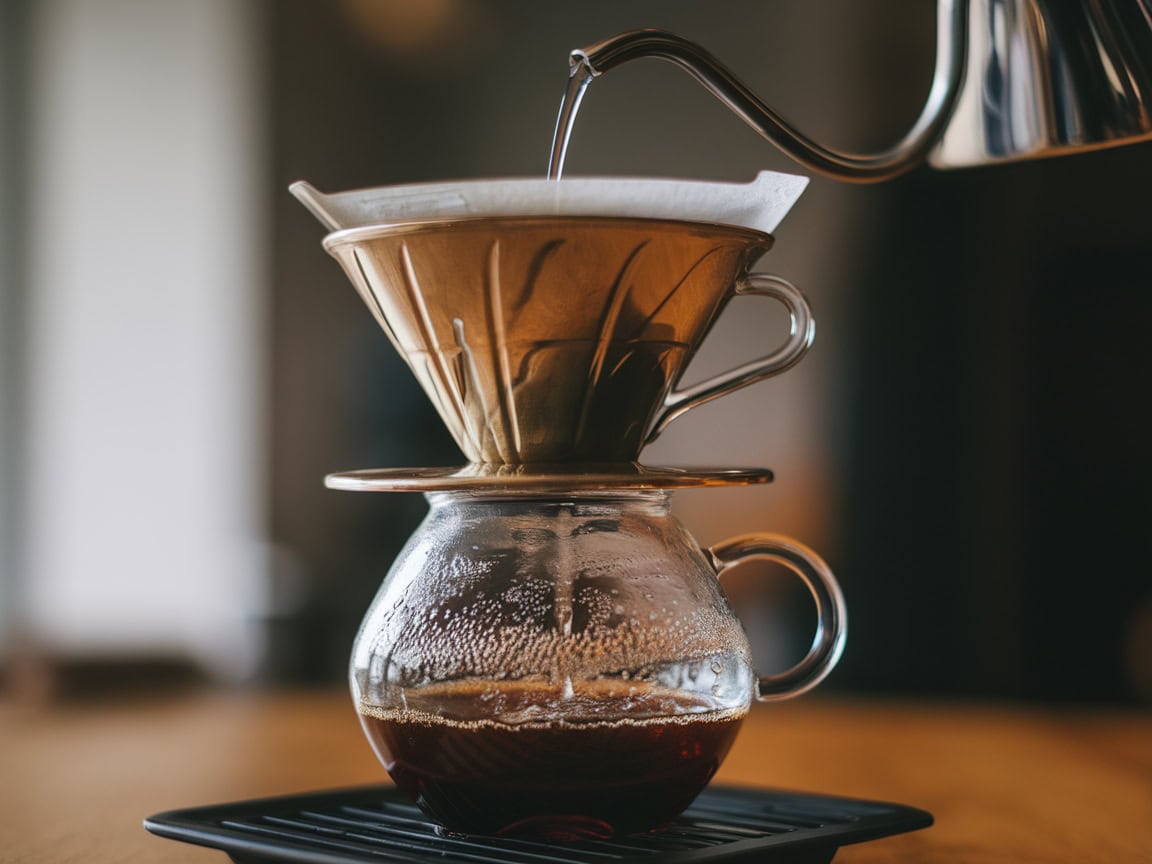
Some methods rely on built-in technology and timers, but pour over coffee is a way to take control and use your own artistry. With a pour over coffee maker, you can control the temperature of the water, the rate of flow, and the length of the brew cycle so you get to decide how much you extract from your coffee grounds, and the possibilities are limitless. This technique can be both fun and meditative as you can create a brew that is bright and clean, free from strong and overpowering notes. With floral aromas and notes, you can use either a Chemex or a V60 and enjoy the finest coffee. If you relish the ritual of brewing and love playing with different flavour combinations, pour-over coffee will give you the creativity and excitement that you are an individual looking for.
7. AeroPress: The Modern Brew Method

One of the most versatile and portable coffee makers out there is the AeroPress. This unique coffee brewer is a favorite among coffee lovers due to its simplicity, functionality and quality of coffee it brews. The AeroPress, invented in 2005, utilizes air pressure to brew coffee. Unlike most coffee makers that produce bitter and harsh coffee, the AeroPress makes coffee that is smooth and less bitter. With the AeroPress, you are able to make a wide range of coffee, from espresso to a lightly brewed tea-like coffee. Depending on the coffee grind size, the brewing water temperature, and the brewing duration, the AeroPress can brew tea-like coffee. This coffee maker is also small enough to fit into your travel bag, making it perfect for camping. The AeroPress is great for making coffee at home and on the go, which in turn allows you to brew coffee no matter what adventure you are on. The AeroPress is, without a doubt, one of the most innovative coffee makers on the market.
8. Coffee Bloom: Enhancing Coffee Extraction

Pour over and espresso coffee brewing methods use a phase called blooming. When hot water is first introduced to the coffee grounds, trapped gas gets released. This gas is called carbon dioxide, and it comes from the roasting process. The trapped gas needs to be released before brewing begins to prepare the coffee grounds for extraction. The goal when brewing coffee is to achieve an even extraction. Even extraction means the final water drawn through the coffee can reach all the coffee grounds. During the first 30 seconds of brewing the grounds expand and bubble. This is called the blooming phase, because it looks like a blooming flower. This step is crucial for a balanced cup of coffee, as it really helps with the clarity and brightness of the final brew while also enhancing the coffee’s flavors and aromas.
9. Cold Brew: Iced Coffee’s Smoother Cousin
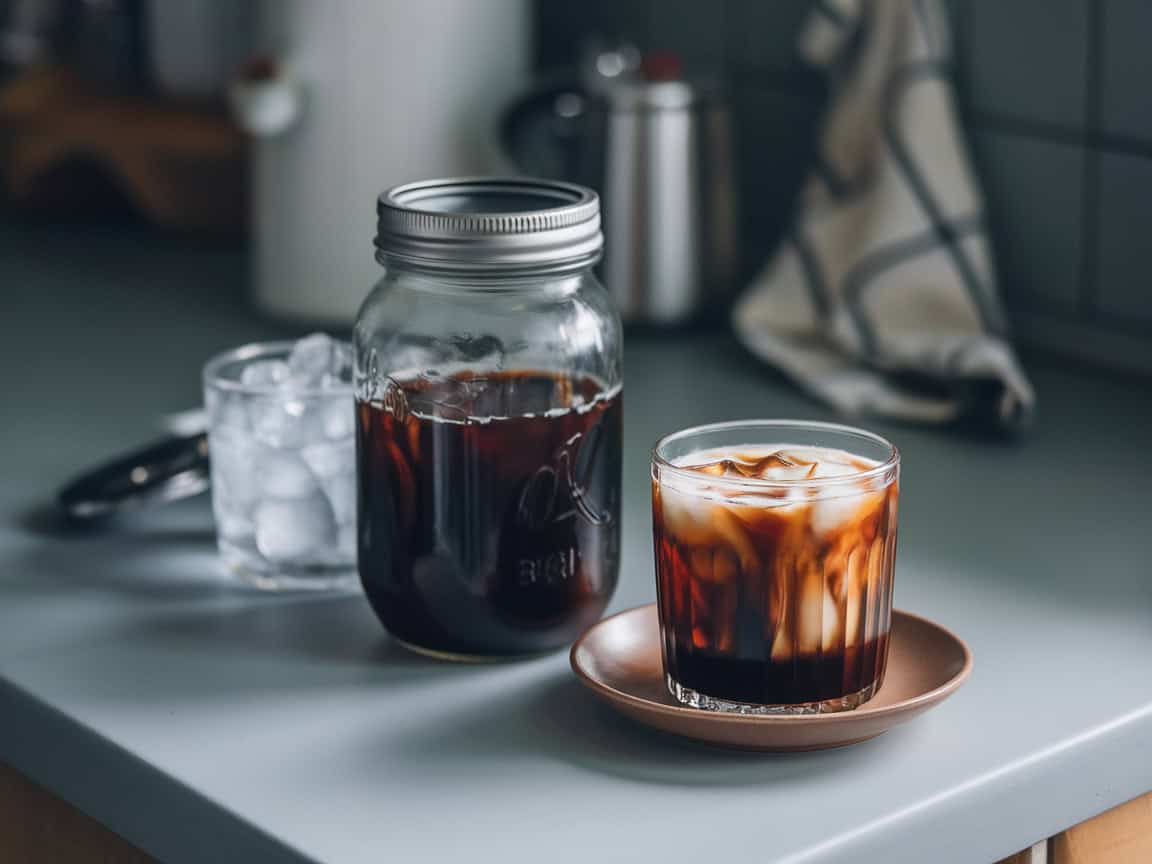
Cold brew gives a different flavor and experience than regular iced coffee. There are many reasons for this but it starts with how it’s made. Cold brew doesn’t use any traditional coffee preparation methods. Cold brewing is done by steeping coarse coffee grounds in water, which takes about 12-24 hours. The longer a coffee brew sits, the thicker and sweeter it will become. In addition, the coffee will be less acidic because the sugars and oils in the coffee aren’t soluble at lower temperatures. This means that the coffee will be less bitter than traditional coffees. One of the good things about cold brew coffee is that you can mix it with milk or any flavoring or syrup you like, and it’s especially great for sipping over ice.
10. Latte: The Perfect Balance of Espresso and Milk
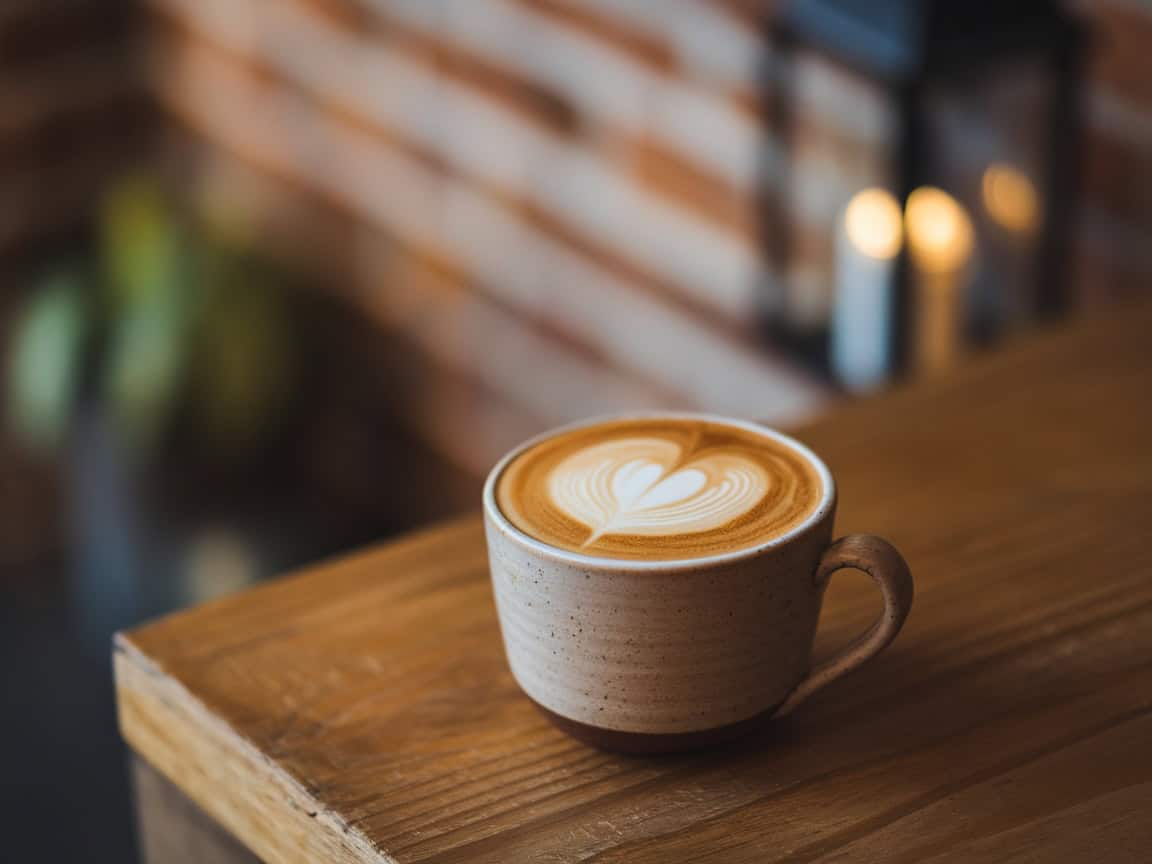
Latte drinks are one of the oldest drinks and best drinks ever made. When ordering a latte, you know you are getting a smooth and creamy blend of espresso mixed with steamed milk. A standard latte consists of a double or single shot of espresso, steamed milk, and foam milk. This beverage balance is crafted to create a mellow drink that everyone will love. Each sip will offer you the comfort of milk while still putting the star of the show front and center, the espresso, and highlighting its creamy and smooth delicious flavor. Lattes are drinks that you can do a lot with. You can even add syrup such as vanilla or caramel. Lattes get even more creative with beautiful latte art that goes with the drink’s flavor and makes the experience even better.
11. Chemex: Elegance in Brewing
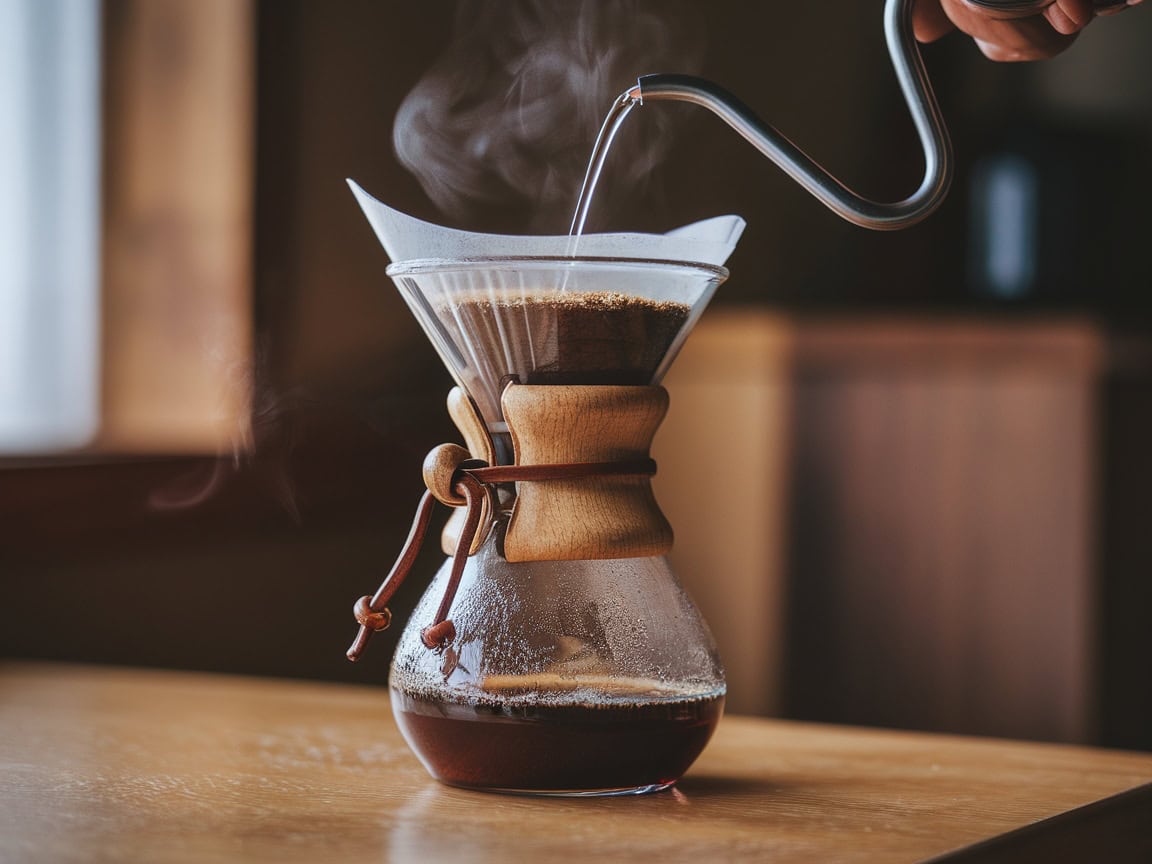
The Chemex is the best brewing style and method for anyone who loves a clean cup of coffee with great taste. The Chemex is a large hour glass and its design is called an hourglass. The coffee filters that are used are thicker than regular coffee filters. Because of this, the coffee oils and tiny bits of coffee are filtered out and result in an incredibly clean cup of coffee. This allows the drinker to taste all of the different flavor notes of the coffee beans. It is great for people who like soft and gentle coffee. The Chemex looks awesome on your counter and it helps you make a delicious cup of coffee.
12. Crema: The Mark of a Quality Espresso Shot
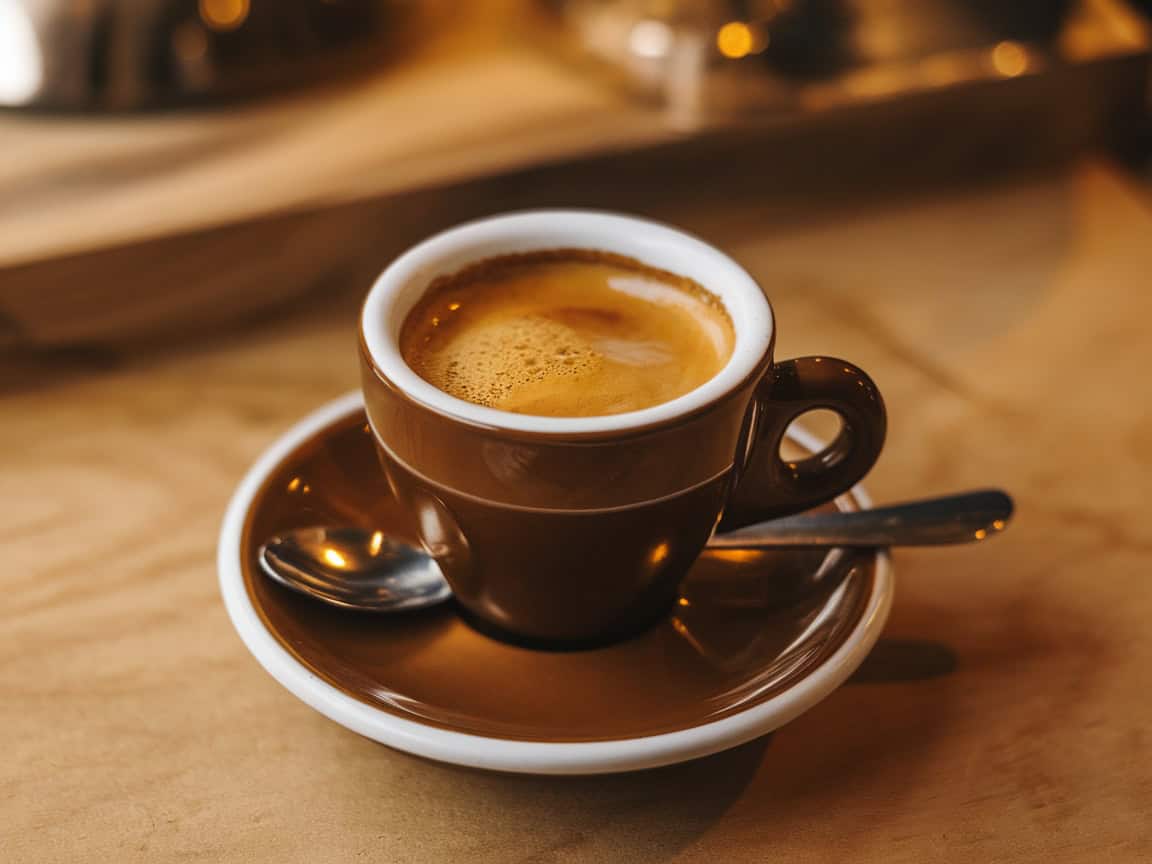
Crema is unique to each espresso shot, and can definitely be one of the determining factors when telling if a shot is pulled by an amateur or a professional. Crema is that golden-brown, frothy layer that rests on top of every espresso shot. It is created through the emulsion of coffee and hot water that is forced through a machine under pressure. Crema encapsulates and protects the smell of the coffee, and it helps boost the overall taste of the espresso. A strong crema layer on top of an espresso is an indication of freshly roasted and well extracted coffee beans. Many coffee aficionados consider it a ritual to evaluate the quality of the crema, as it indicates a rich and full-bodied flavor espresso that offers a pleasurable experience in each sip.
13. Siphon Brewing: Science Meets Art

Siphon brewing is a very unique way of making cocktails that looks very cool, as it combines both art and science. A lot of people who enjoy coffee have loved it for many years because it uses a science lab style coffee brewer and it employs a very interesting technique to brew the coffee. A Siphon brewer consists of two chambers. The bottom chamber has water in it which gets heated and creates vapor pressure which pushes the water into the upper chamber where it mixes with the coffee grounds. When the heat is taken away, gravity pulls the brewed coffee down through a filter. The coffee grounds are left behind, which helps to accentuate a tea like flavor, and a lot of people who enjoy coffee are attracted to the specific method of brewing coffee because of the intricate performance that is required to make a good coffee. The entire process combines artistry, the correct amount of precision, timing, and just a little bit of chemistry.
14. Microfoam: The Secret to Silky Milk
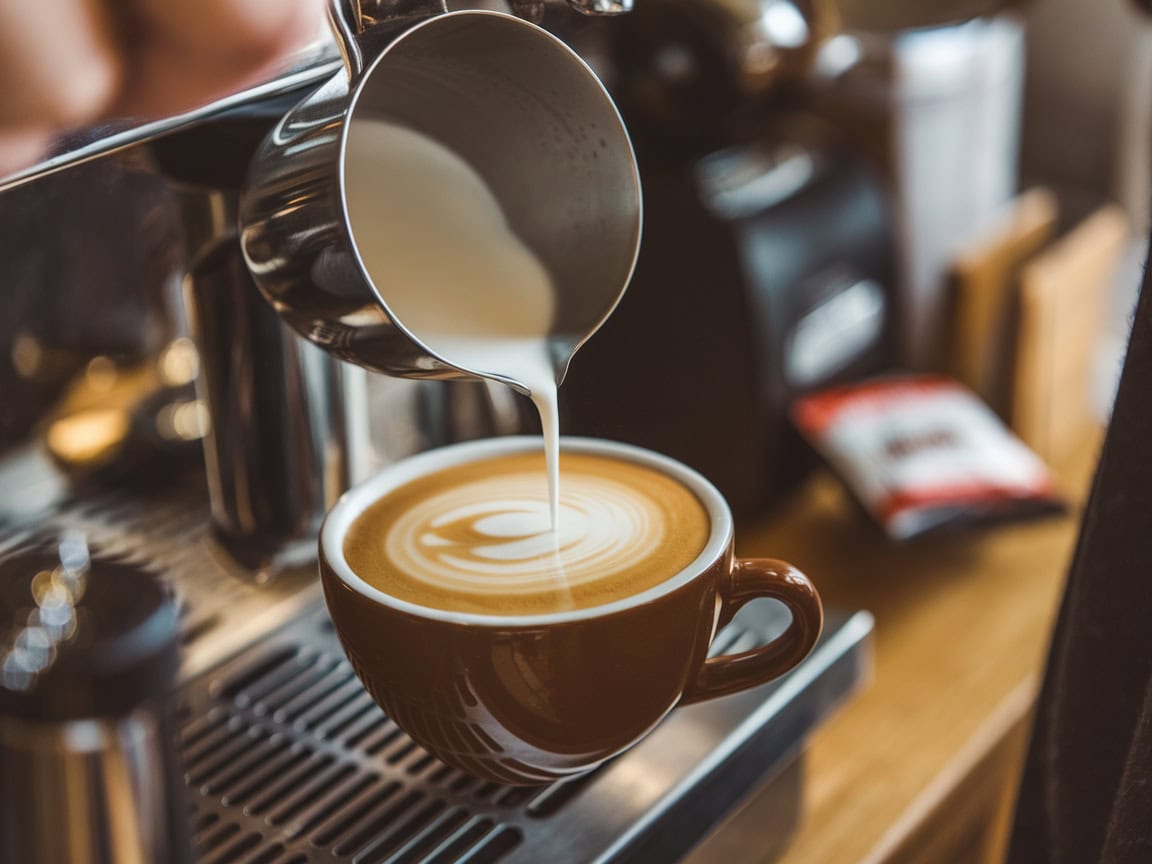
Microfoam is the type of milk that’s used in many types of espresso drinks, especially lattes and cappuccinos. It’s made by steaming milk while adding tiny and consistent bubbles throughout. The steaming process alters the milk’s temperature, flavor, and especially the texture. For microfoam, the best temperature is just below the boiling point. At this temperature, the microfoam will have a shiny, velvety texture and appearance. Microfoam can be used with espresso and improve the creaminess of the drink without altering the flavor. The best tool for making microfoam is a steam wand, which makes a whirlpool effect in the milk so the bubbles are evenly distributed throughout the milk. It is crucial in making good espresso drinks, and is great if you are looking to make a variety of latte art. Many people find coffee making enjoyable, and having the ability to create microfoam will improve the experience even more.