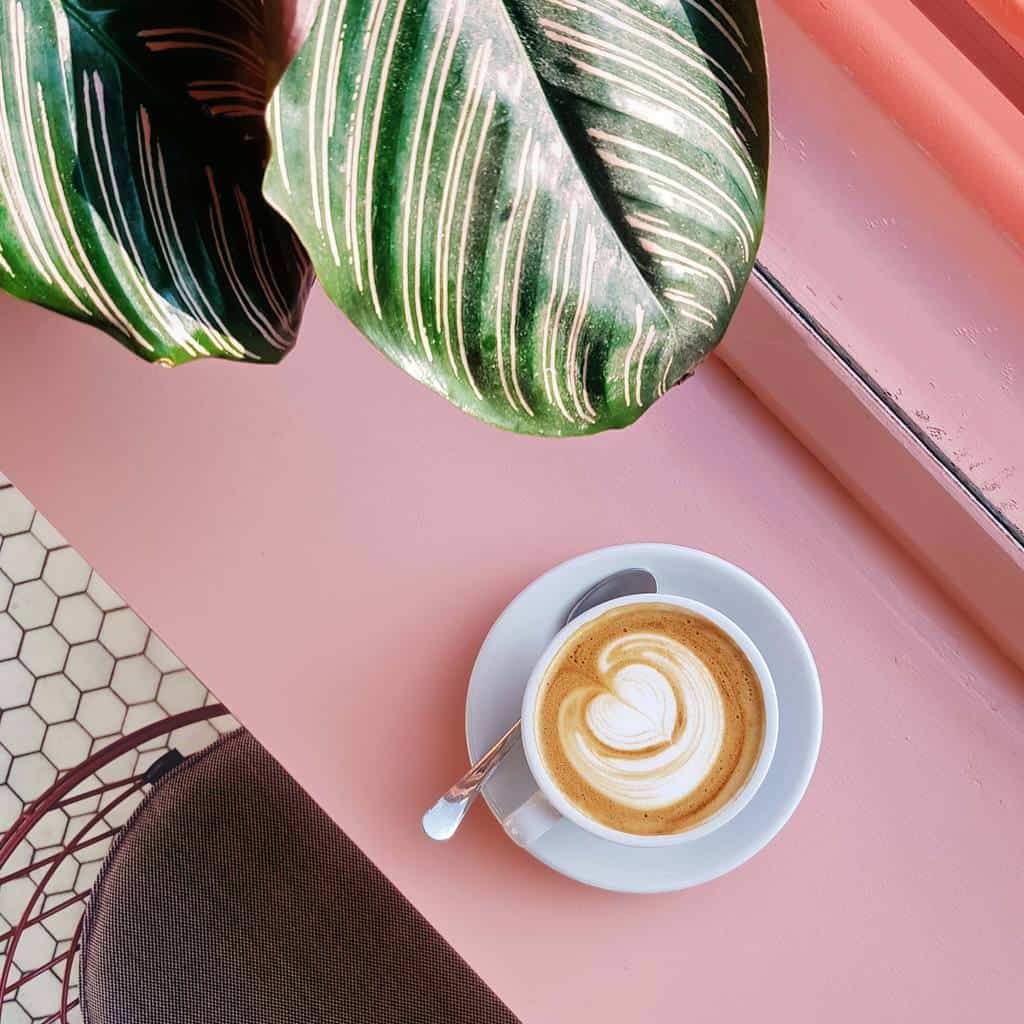
If you’ve ever sipped a cup of coffee and pondered why it didn’t quite hit the mark, you’re not alone. Crafting the perfect brew is both a science and an art, requiring attention to detail and a bit of know-how. For many newcomers to the world of coffee, there are common pitfalls that can lead to a less-than-stellar cup, from ignoring the freshness of beans to skipping key brewing steps. But fear not! We’re here to help you sidestep these mistakes and elevate your coffee game. Dive into this guide as we explore coffee brewing blunders you should avoid, ensuring your morning ritual is something to savor, not endure.
1. Skipping the Importance of Fresh Beans
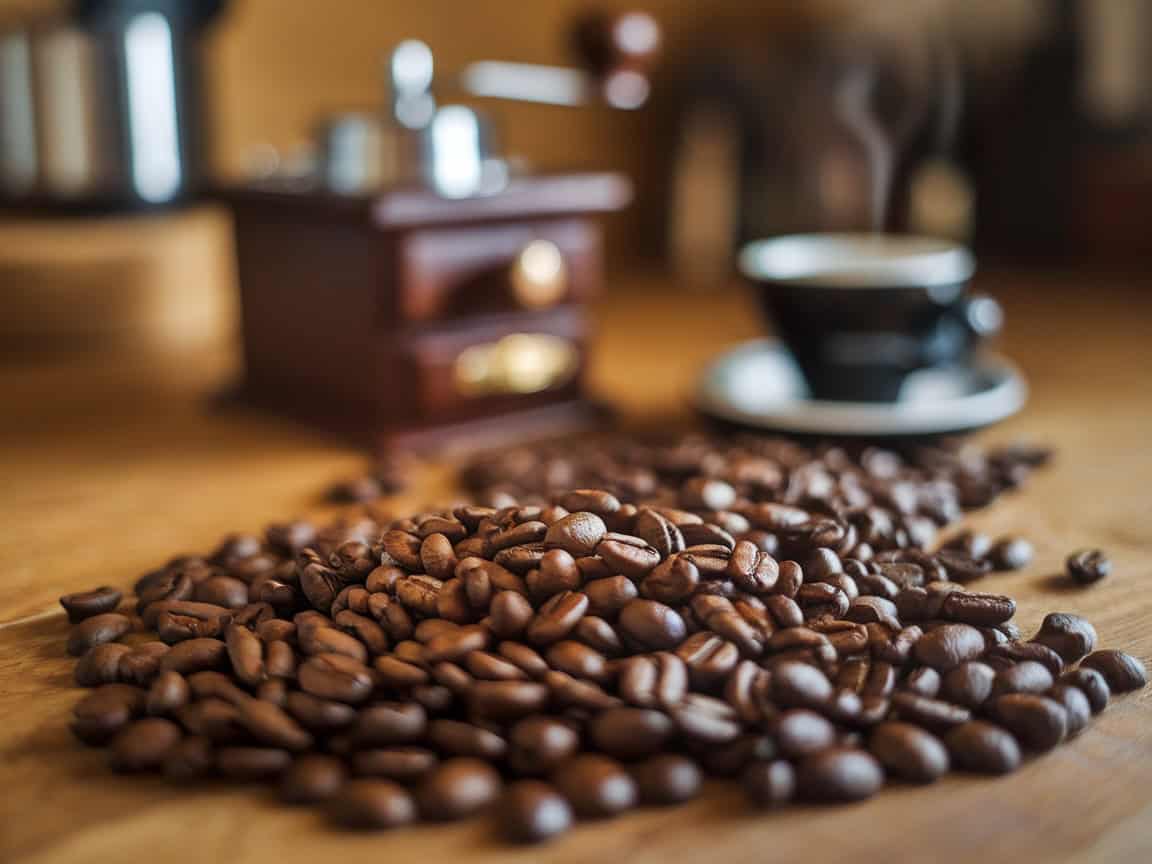
One of the easiest mistakes for new coffee enthusiasts is using old or stale beans, leading to a brew that lacks vibrancy and aroma. Just like fresh produce, coffee beans are at their best shortly after roasting. As the days pass, the beans begin to lose their essential oils and flavors, resulting in a cup that tastes flat and uninspired. Investing in freshly roasted beans—preferably from a local roaster—can make a world of difference. Not only will you notice a more pronounced aroma when you open the bag, but your morning brew will also offer a balance of flavors that makes every sip delightful.
Get a FREE first bag of coffee from our friends at Atlas Coffee Club. (Just pay shipping). Enter your email to get the deal.
2. Neglecting the Right Grind Size for Your Brew
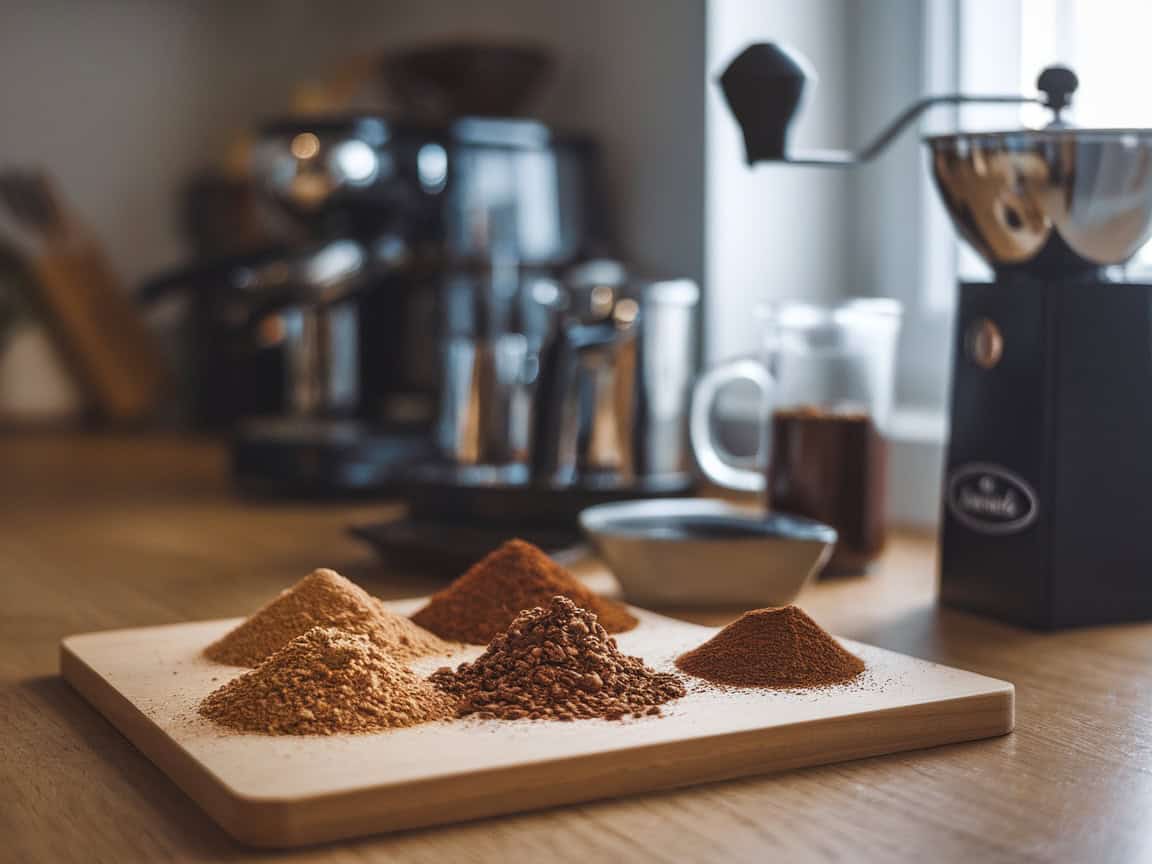
Choosing the correct grind size for your coffee brewing method is crucial to unlocking the best flavors and strength from your beans. A common mistake is using a one-size-fits-all approach, which can lead to two brewing disasters: over-extracted or under-extracted coffee. Using too fine a grind for a method like the French press will result in a bitter taste, as the water extracts too much bitterness from the coffee over a longer brew time. On the flip side, using too coarse a grind for espresso can lead to a weak, sour cup, lacking the punch and depth you’d expect. Each brewing method, whether it’s pour-over, AeroPress, or traditional drip coffee, has an ideal grind size that balances extraction perfectly. Investing in a quality burr grinder can help you find the sweet spot for each technique and elevate your daily coffee ritual from bland to brilliant.
3. Ignoring Water Temperature Precision
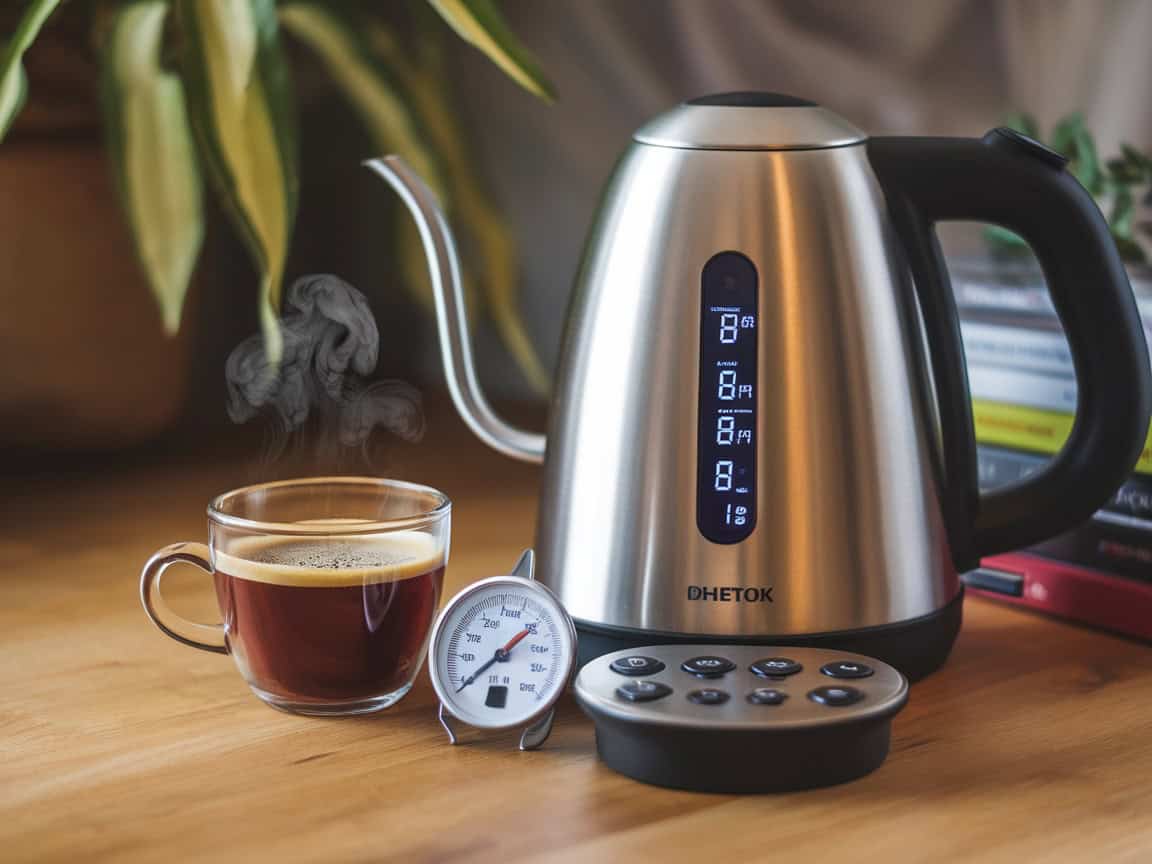
The magic of brewing great coffee doesn’t just come from the beans or the grind; water temperature plays a pivotal role in determining your cup’s final taste. Overlooking this element can lead to disappointing results. Using water that is too hot (above 205°F) can scorch the coffee grounds, leading to an unpleasantly bitter flavor. Conversely, water that is too cold (below 195°F) results in under-extraction, where vital flavor compounds remain locked away, resulting in a dull, unexciting brew. Striving for a water temperature between 195°F and 205°F allows for optimal extraction of flavors, revealing the nuanced notes that high-quality beans can offer. A simple solution is to use a thermometer or invest in a kettle with temperature control, ensuring each brew is consistently satisfying and flavorful.
4. Brewing with Stale Pre-Ground Coffee
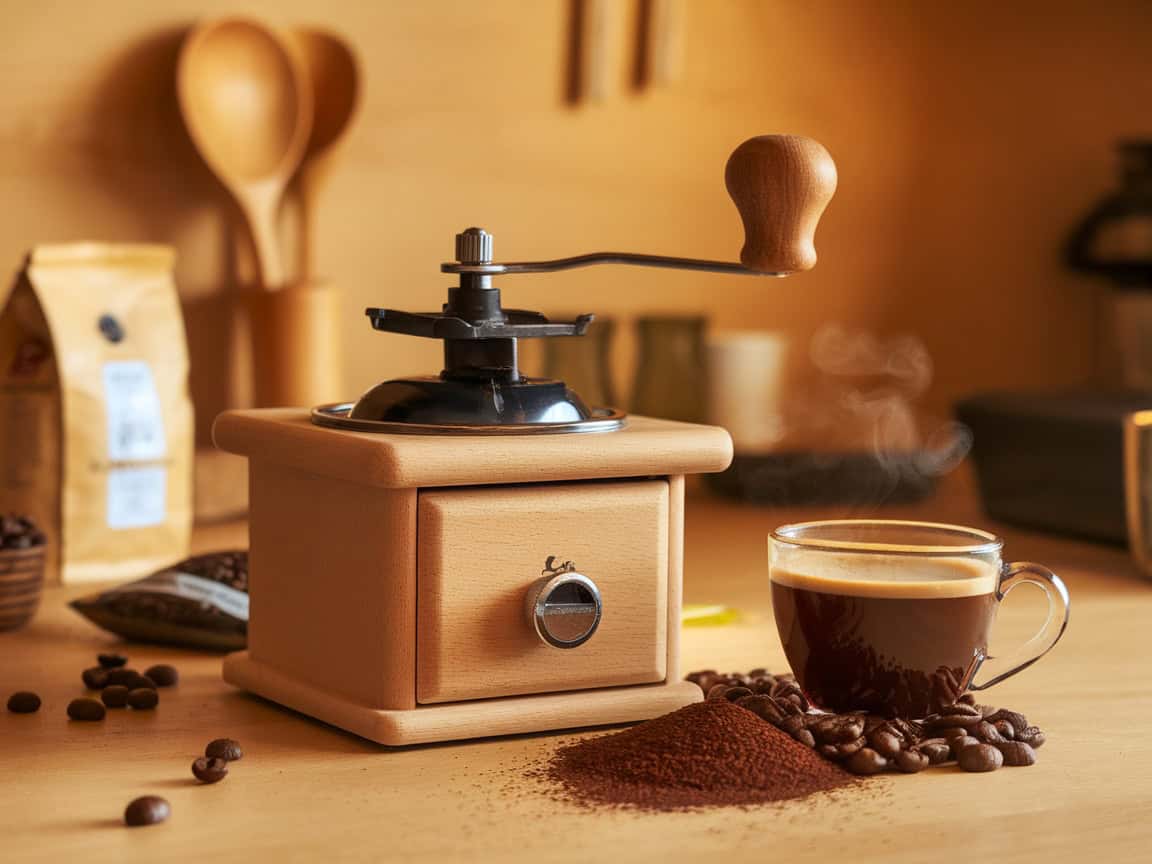
There’s a simple, yet often overlooked shift that can vastly improve your coffee-drinking experience: leaving pre-ground coffee behind. While pre-ground coffee might offer convenience, it significantly sacrifices freshness and aroma, two critical components of a truly satisfying cup. Once coffee is ground, it begins to lose its essential oils and vibrant flavors almost immediately due to increased exposure to air. This means by the time pre-ground coffee reaches your home, much of its potential has faded away. To preserve your coffee’s rich aroma and full flavor, consider grinding your beans just before brewing. This ensures that each cup maximizes the unique characteristics of the beans. For best results, invest in a quality grinder and enjoy the ritual of fresh grinding—you’ll notice how much more aromatic and flavorful your morning brew becomes.
5. Storing Coffee Beans Improperly
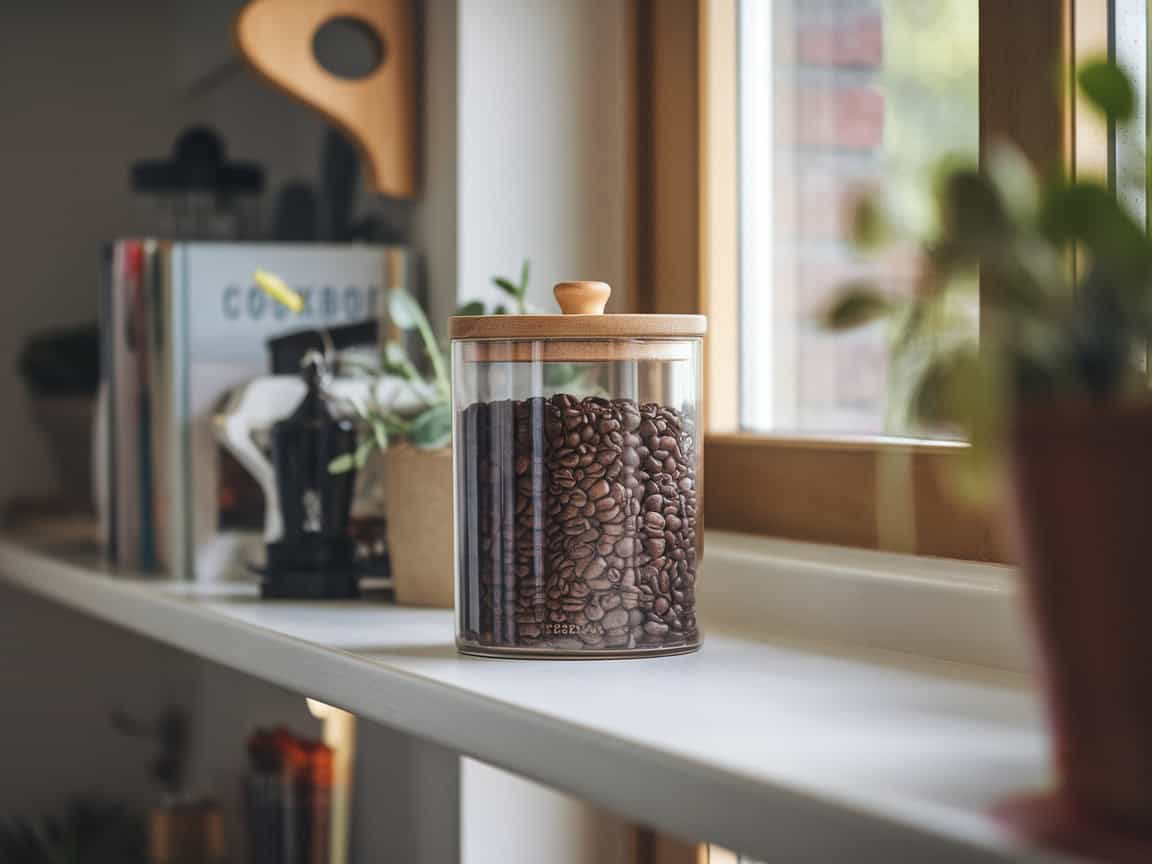
Much like valuable spices or fine wines, coffee beans require proper storage to maintain their prized freshness and flavor. Improper storage is a pitfall many coffee lovers stumble into, leading to beans that quickly lose their aroma and taste. The key is to shield beans from their natural enemies: light, heat, and moisture. Exposure to these elements accelerates the process of staling, reducing your coffee’s potential to just a shadow of its true self. To preserve the beans at their best, storing them in airtight containers placed in a cool, dark location is essential. Ceramic or opaque containers are ideal, as they block out light, while a tight seal prevents air from sneaking in. By following these simple storage guidelines, you’ll ensure that every scoop of beans retains its delightful oils and flavors, resulting in a consistently delicious brew every time you brew.
6. Using Poor Quality Water

Often overlooked, the water you use is as crucial to brewing great coffee as the beans themselves. Tap water with impurities or off-flavors can drastically compromise your brew’s taste, leaving your cup tasting metallic or earthy, overshadowing the coffee’s true flavors. Hard water can also introduce unwanted minerals that interfere with both the extraction process and the lifespan of your coffee maker by causing buildup. To ensure each sip is as delightful as the last, consider using filtered or bottled water, which provides a neutral palette that allows the coffee’s natural flavors to shine through. This simple change not only elevates your daily brew but also helps maintain the integrity of your brewing equipment over time.
7. Not Grinding Beans Immediately Before Brewing

Grinding beans immediately before brewing is a simple yet effective way to dramatically enhance your coffee’s flavor and aroma. Once coffee beans are ground, they begin to oxidize rapidly, losing their vibrant oils and intricate notes. Waiting even a short time before brewing after grinding can lead to a flat, uninspired cup. By embracing the ritual of grinding your beans right before you brew, you capture the full range of flavors and the inviting aroma coffee has to offer. You’ll discover a newfound depth and complexity in your cup, with every sip revealing the nuanced notes characteristic of high-quality beans. Investing in a quality grinder and taking those extra few moments each morning will transform your coffee experience from ordinary to extraordinary.
8. Forgetting the Coffee Bloom Step
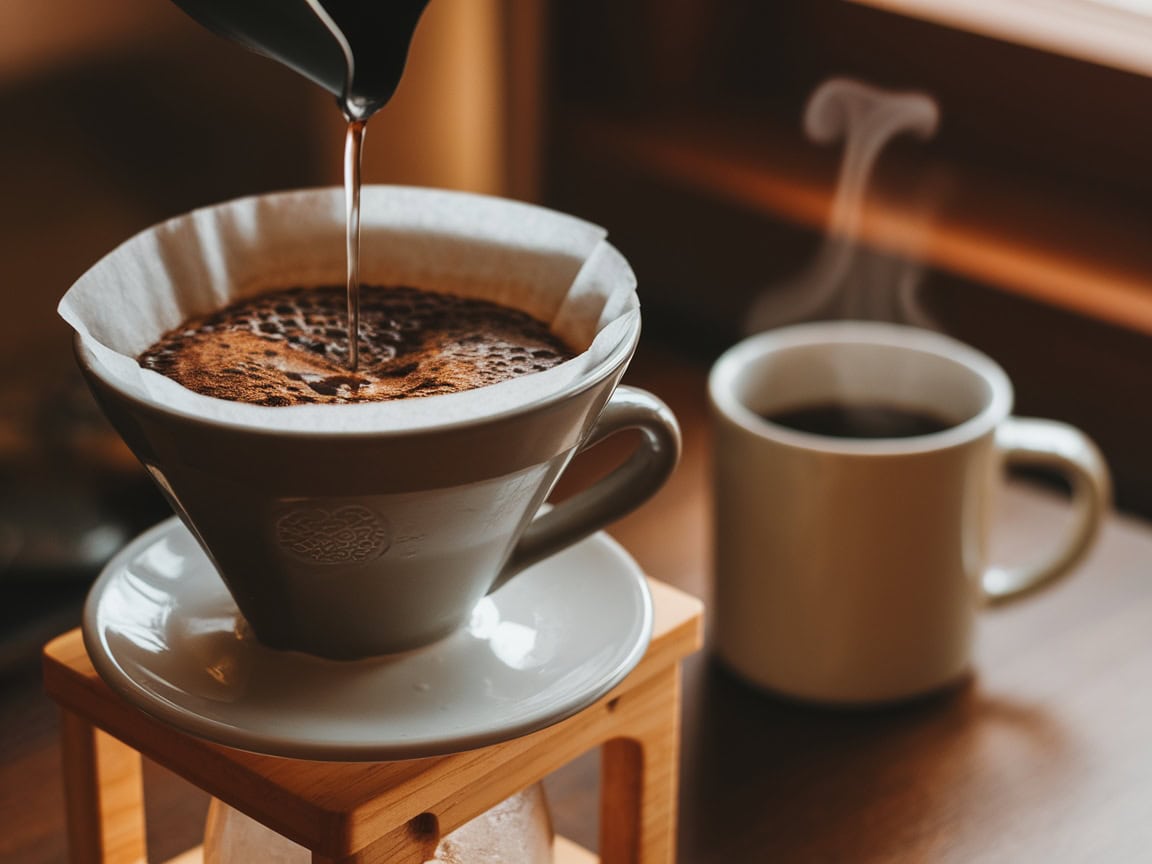
In the journey to an exceptional coffee experience, allowing your grounds to bloom is a crucial and often overlooked step. When you pre-wet coffee grounds with a small amount of hot water, it initiates the release of carbon dioxide gas that the beans absorb during roasting. This process, known as blooming, sets the stage for optimal extraction. Skipping it can lead to uneven saturation, where trapped gases create pockets that hinder water flow, resulting in a brew that doesn’t fully showcase your coffee’s flavors. Simply pour a small amount of water over the grounds and let it rest for about 30 seconds. You’ll notice bubbles forming as the gases escape, a telltale sign that your coffee is getting ready to reveal its full potential. Taking the time for this aromatic prelude not only enhances flavor clarity but also elevates the texture and depth of your cup, making each sip a more flavorful journey.
9. Incorrect Brewing Time

The length of time you allow your coffee to brew plays a pivotal role in the final flavor profile of your cup. Brewing for too long can lead to over-extraction, where coffee grounds release too many flavor compounds, resulting in a bitter, unpleasant taste that overpowers the natural sweetness and delicate notes of the beans. Conversely, cutting the brew time short leads to under-extraction, leaving many of the desirable flavors untapped, and often producing a sour or weak cup. Striking the right balance is key; each brewing method has an optimal time frame. In general, French press should steep for around four minutes, while drip coffee should take around five minutes to complete. By adjusting your brewing time accordingly, you’ll be able to craft a cup that highlights the beans’ inherent qualities, providing a more satisfying and harmonious coffee experience.
10. Not Preheating Equipment
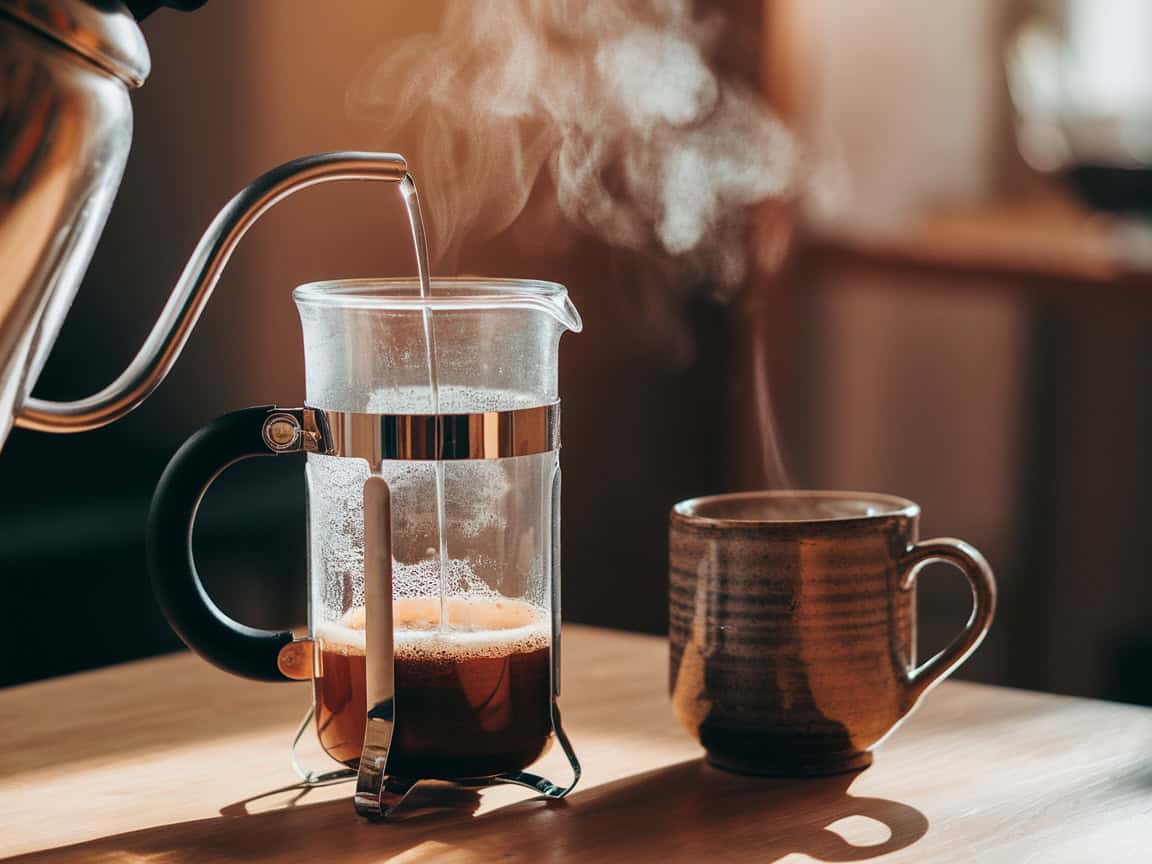
A commonly overlooked yet highly impactful step in brewing excellent coffee is preheating your cup and brewing equipment. When you pour hot coffee into a cold mug or use a room-temperature French press, the initial heat is absorbed by the cooler surfaces, resulting in a lukewarm cup rather than the perfectly hot brew you expect. Preheating both your mug and equipment ensures that the temperature is retained from the first sip to the last, allowing the coffee’s vibrant flavors to be savored at their optimal warmth. Simply fill your cup and brewing device with hot water, letting them sit briefly before discarding the water and proceeding with your usual brewing process. This small adjustment can make a significant difference in the quality of your drink, providing a consistently enjoyable, piping-hot coffee experience.