Prepare to be amazed by the world of coffee, a beverage that does more than perk up your mornings! From its humble beginnings nestled inside vibrant red berries to its pivotal role in global economics, coffee has a rich and fascinating narrative that spans centuries and continents. In this compelling journey, we’ll explore incredible facts about coffee that reveal its complex nature and cultural significance. So grab your favorite brew, sit back, and dive into the captivating world of coffee that lies beyond the cup.
1. Coffee Beans Are Actually Seeds

Most people may think of coffee beans as magical entities that appear ready to brew, but the truth lies in the heart of a vibrant red berry. These berries, known as coffee cherries, house two seeds that we lovingly refer to as coffee beans. Farmers meticulously harvest these cherries by hand, selecting only the ripest fruit. Once extracted, the seeds undergo a transformation through processes like drying and roasting, which bring out the flavors we savor in our morning cup. This journey from berry to bean is both an art and a science, resulting in the rich aroma and taste cherished worldwide.
Get a FREE first bag of coffee from our friends at Atlas Coffee Club. (Just pay shipping). Enter your email to get the deal.
2. Coffee Is One of the Most Traded Commodities Worldwide

Did you know that coffee isn’t just a beloved morning ritual but also a powerhouse in global trade? As the world’s second most traded commodity after oil, coffee has a profound impact on the economies of over 70 countries. Small farmers make up a significant portion of coffee production, working diligently to supply our demand for this daily indulgence. The ripple effects of the coffee trade extend far beyond the field, fostering employment in transport, manufacturing, and sales. Despite its widespread popularity, the price of coffee can be volatile, influenced by factors like weather conditions and political unrest. This delicate balance between supply and demand showcases coffee’s vital role in international economics, reminding us that every sip carries the weight of a global endeavor.
3. Beethoven Counted Exactly 60 Beans for His Coffee

Among the many stories about the eccentric genius Ludwig van Beethoven, his relationship with coffee stands out as both amusing and relatable. Beethoven was as meticulous with his coffee as he was with his compositions. Insisting on the perfect brew, he famously counted out exactly 60 coffee beans per cup. This precision was not merely a quirky habit; it was a reflection of the importance he placed on routine and exactness in every aspect of his life, including his coffee. This dedication to the ideal cup speaks to the value of small yet significant rituals—a theme that resonates with coffee lovers today who savor the art of crafting their own perfect brew.
4. Coffee Was Discovered Thanks to Dancing Goats

The fascinating origins of coffee trace back to an ancient legend in the lush Ethiopian highlands. It is said that a curious goat herder named Kaldi stumbled upon the wonders of coffee when he noticed his goats frolicking with unusual energy after nibbling on bright red berries from a nearby shrub. Intrigued by their spirited dance, Kaldi decided to try the berries himself. Feeling invigorated, he shared his discovery with a local monastery, where the monks crafted a drink from the berries to keep them awake during long prayer sessions. This serendipitous finding laid the groundwork for coffee’s global journey, highlighting how a moment of attention and curiosity can lead to cultural and culinary revolutions.
5. Kopi Luwak: The World’s Most Exotic Coffee

Kopi Luwak, often touted as the world’s most exotic and expensive coffee, owes its uniqueness to a small creature called the Asian palm civet. These nocturnal mammals play a crucial role in the distinctive flavor profile of the coffee. The civets consume ripe coffee cherries, and during digestion, the beans undergo a fermentation process that alters their chemical composition. This journey through the civet’s digestive tract enhances the coffee’s smoothness and reduces bitterness. Once excreted, the beans are collected, thoroughly washed, dried, and roasted to create the final aromatic brew. While it’s surrounded by intrigue and exclusivity, Kopi Luwak also raises awareness about ethical considerations concerning animal welfare and sustainable harvesting practices.
6. Coffee Has Been Banned Multiple Times in History

It may be hard to imagine a world without coffee, but there have been surprising chapters in history where this beloved beverage faced bans. In the 16th century, coffee was prohibited in Mecca due to its stimulating effects, which were believed to encourage radical thinking and political dissent. Similarly, coffee caught the suspicious eye of clerics in Italy, who denounced it as ‘Satanic.’ However, Pope Clement VIII famously intervened and blessed the drink, declaring it too delicious to ignore. In the 17th century, coffeehouses in England became hotbeds for intellectual discourse—and paranoia among the ruling class—leading to King Charles II imposing a temporary coffeehouse ban. These historical episodes illustrate not just coffee’s enduring allure but also its ability to incite cultural shifts and challenge societal norms.
7. Coffee Beans Once Served as Currency

Long before it became a morning staple, coffee held a more unusual role in certain societies as a form of currency. In regions like Ethiopia and parts of Africa where coffee was native, the beans were so treasured that they could be used in trade much like coins. The beans’ value stemmed not just from their stimulating qualities but also from their role in social and religious practices. As coffee spread to the Middle East and Europe, its economic importance only grew, eventually becoming a key player in the lines of commerce. This chapter in coffee’s rich history highlights its journey from a local crop to a global commodity, demonstrating its immense cultural and economic impact over time.
8. Finland Consumes the Most Coffee Per Capita

It might surprise you to learn that Finland holds the top spot for coffee consumption per capita, with the average Finn drinking nearly four cups a day. This passion for coffee is deeply woven into the fabric of Finnish culture, where ‘kahvitauko,’ or coffee break, is a cherished tradition. In Finland, coffee is not just a morning ritual but an integral part of social interactions. It’s common for friends and family to gather over multiple rounds of coffee, served alongside delightful pastries like ‘pulla.’ This cultural embrace of coffee extends beyond social settings to workplaces, where coffee breaks are considered essential to boosting productivity and well-being. The Finnish affinity for coffee exemplifies how the beverage fosters connection, community, and comfort across various aspects of life.
9. Instant Coffee Was Invented Over a Century Ago

Instant coffee—whether you love it or leave it—revolutionized the way we brew our morning joe. The concept dates back to 1901 when a Japanese scientist, Satori Kato, introduced his powdered coffee extract to the world. Not long after, it began to gain popularity, especially for its convenience and long shelf life. During World War II, instant coffee became a staple for soldiers who relished the quick caffeine boost far from home. As its production methods refined, it secured a place in households worldwide, providing an easy solution for those in a hurry. Over the decades, instant coffee has evolved in quality and flavor, ensuring that anyone can enjoy their cup of coffee without the need for time-consuming brewing methods. It’s a testament to innovation’s role in meeting ever-evolving consumer needs, perfectly encapsulating coffee’s journey through modern history.
10. The Coffee Industry Supports Millions of Farmers

Coffee isn’t just a beloved beverage; it’s a lifeline for approximately 25 million farmers around the globe. Predominantly grown in developing countries, coffee farming provides a vital source of income to families and communities that rely heavily on this trade. The ripple effect of coffee production stretches far and wide, impacting infrastructure development, education, and healthcare in producing regions. By supporting fair trade and ethical sourcing, the industry aims to ensure that these communities thrive and that farmers receive fair compensation for their hard work. This interconnected web of relationships highlights not only the shared human experience over a cup of coffee but also the global community it fosters, urging us to remain mindful of every bean’s journey from farm to cup.
11. Espresso Is a Brewing Method, Not a Type of Bean

Many people often mistake espresso as a particular type of coffee bean or roast, but the truth is far more nuanced. Espresso is a brewing method that involves forcing hot water through finely-ground coffee under high pressure, resulting in a concentrated, flavorful shot of coffee. This method requires a skilled touch, as factors like grind size, water temperature, and extraction time all influence the final taste. Contrary to common belief, any coffee bean variety can be used to make espresso; it’s all about how you prepare it. This intricacy in crafting an espresso shot is why baristas consider it an art form, making each cup a testament to their mastery of balancing strength and flavor.
12. Brazil Is the World’s Leading Coffee Producer

Holding the coveted title of the world’s largest coffee producer, Brazil contributes over a third of all coffee consumed worldwide. The country’s expansive landscapes, rich soils, and favorable climates create the perfect environment for coffee cultivation, with regions like Minas Gerais and São Paulo leading the charge. Brazilian coffee is known for its diverse flavor profile, ranging from nutty and chocolatey to bright and fruity notes—attributes that make it a favorite in coffee blends and single origins alike. The sheer scale of production in Brazil not only influences global coffee prices but also shapes market trends and consumer preferences. As Brazil continues to innovate in sustainable farming practices and technology, it solidifies its place at the heart of the coffee world, connecting millions of drinkers to the story of the bean’s journey.
13. Used Coffee Grounds Can Enrich Your Garden
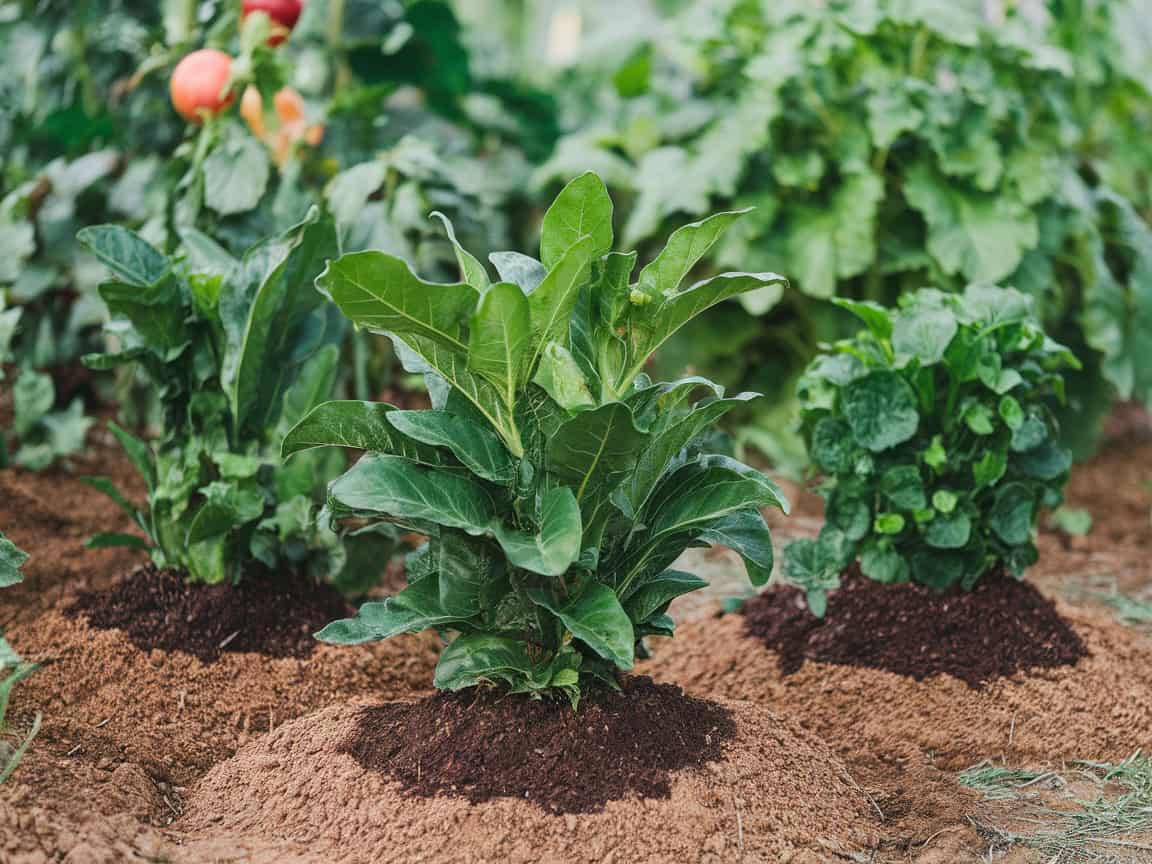
Before you toss out those used coffee grounds, consider their hidden potential as a boon for your garden. Coffee grounds are rich in nitrogen, an essential nutrient that aids in plant growth and soil health. Sprinkling them around your garden not only enriches the soil but also makes an excellent natural fertilizer. Additionally, coffee grounds can deter pests such as slugs and snails, making them a multitasking wonder for gardeners. Their gritty texture also helps improve soil drainage, aeration, and water retention. By repurposing coffee grounds, you not only reduce waste but also foster a sustainable approach to gardening, connecting daily rituals with the cycles of nature.
14. Black Ivory Coffee Comes from Elephant Digestion

If you thought Kopi Luwak was unique, wait until you hear about Black Ivory Coffee—a brew so rare, it’s often dubbed the world’s most expensive coffee. This exotic delicacy originates in Thailand, where elephants are enlisted in the coffee production process. Much like the Asian palm civet, these majestic animals consume ripe coffee cherries, and their digestive enzymes work magic on the beans. The process involves fermentation in the elephant’s stomach, which removes the beans’ bitterness and enhances a smooth, chocolatey flavor. Once the beans have passed through the elephants, they are meticulously collected, washed, and processed into a luxurious blend. While it’s a remarkable fusion of nature and coffee, Black Ivory Coffee also plays a role in wildlife conservation, with a portion of proceeds supporting the elephants and their caretakers, ensuring that this remarkable process benefits both the environment and the communities involved.
15. The Word ‘Coffee’ Has Roots in Arabic

The beloved beverage we know as coffee has an intriguing etymological journey that mirrors its cultural and historical significance. The word ‘coffee’ ultimately derives from the Arabic term ‘qahwa,’ which originally referred to a type of wine, highlighting coffee’s stimulating properties. As coffee made its way across the globe, ‘qahwa’ evolved linguistically, first to ‘kahve’ in Turkish. This transformation continued in the Dutch language as ‘koffie,’ eventually morphing into ‘coffee’ in English. This linguistic evolution showcases coffee’s diffusion through different cultures and languages, each leaving its mark on the term. By tracing the word’s journey, we gain insight into how coffee has connected diverse peoples, influencing not only our language but also our global palate.