Get ready to learn about coffee! This surprising beverage does much more than wake you up in the mornings. Coffee has a long history. To start with, coffee comes from a coffee plant that produces coffee berries. We will also learn about a few interesting things about coffee, but first, grab some and sit back!
1. Coffee Beans Are Actually Seeds

A lot of people think that coffee simply comes from nowhere. The truth is that every coffee berry has two seeds (which we call beans) inside the skin of their red coffee cherries. To make the coffee beans we use, farmers first have to pick the cherry coffee berries and then choose the ones that are most ripe. After that, they dry and roast the seeds in order to get the flavors. It is a long and complicated process, but it’s the reason your morning coffee is so delightfully rich.
Get a FREE first bag of coffee from our friends at Atlas Coffee Club when you subscribe. Enter your email to get the deal.
2. Coffee Is One of the Most Traded Commodities Worldwide

After oil, coffee is the most valuable commodity traded in the world. It is grown in over seventy countries, meaning that the majority of the countries involved in coffee production and sales are developing nations. Coffee is also heavily trafficked in global commerce, and there are more small-scale farmers growing coffee than we can imagine. Because there is such a high demand for coffee, and it grows in the developing world, the transport, manufacture, and sale of coffee creates jobs in developed countries. However, unlike the oil industry, high demand does not necessarily mean high sales in the coffee industry, as the price of coffee fluctuates depending on a myriad of factors, including civil unrest and climate changes. It is for this reason that coffee is one of the most sought after and valuable commodities in the world.
3. Beethoven Counted Exactly 60 Beans for His Coffee

The stories of Ludwig van Beethoven’s life contain many humorous anecdotes about his obsession with coffee. Just as he was fastidious about his music, he was fastidious about brewing coffee, and once purchased a special device that allowed him to measure out an exact ‘optimal’ serving of 60 coffee beans. His obsession with and strict brewing routine around coffee highlight his dedication to the craft and are similar to the trends we see today in coffee culture.
4. Coffee Was Discovered Thanks to Dancing Goats

The beginnings of coffee’s long journey begins long ago in ancient Ethiopia. In the Middle Ages, a goat herder named Kaldi noticed that after his goats grazed on some bright red berries, they began to dance with joy. Kaldi wondered what the goats had eaten and decided to try the berries himself. Soon, he experienced the same level of energy as his goats. He excitedly went to the monks at the local monastery to tell them of his discovery. The monks made a drink from the coffee berries to keep them awake to pray. This story is one of the oldest known accounts of coffee and is the beginning of the story of coffee’s journey across continents.
5. Kopi Luwak: The World’s Most Exotic Coffee

The most exotic and one of the most pricey coffee types is Kopi Luwak. The Asian palm civet is responsible for the characteristics of this coffee and the costs associated with it. This small animal consumes raw coffee beans and, through some digestive mechanism, alters the raw coffee beans’ chemicals, resulting in changes to the beans’ properties. During digestion, a fermentation process makes the beans softer and less bitter. After a civet defecates the beans, they are retrieved, washed, and roasted to produce the final coffee product. The ethical concerns of animal exploitation also apply to Kopi Luwak coffee due to the animal’s role in its production.
6. Coffee Has Been Banned Multiple Times in History

Throughout history, coffee has faced bans that might surprise some. We may find it hard to believe, but in the 16th century, Mecca banned coffee. The ban was due to its believed ability to create radical thinking, which could then lead to political unrest. Additionally, coffee has faced bans from The Italian Clergy who claimed it was \\”Satanic.\\” However, Pope Clement VIII felt too good to ignore and blessed the drink. In the 17th century, English rulers felt paranoid over coffee house discussions and imposed bans. These historical moments demonstrate the power coffee has to create social movements and change the current order.
7. Coffee Beans Once Served as Currency

Peculiar as it may sound, society at times employs certain goods in trading, and well before coffee became our go-to beverage to kick-start our day, for peoples of Ethiopia and other African nations where coffee was indigenous, the beans were so highly prized that they were used in barter as currency. The beans were considered to be of worth not only for their stimulating effects, but also for their societal and religious functions. When coffee made its way from Africa to the Middle East and Europe, its economic value increased even more. The coffee trade became a major commerce trade line. This segment of history illustrates the great economic value of coffee and how it transitioned from being a local crop to a global commodity.
8. Finland Consumes the Most Coffee Per Capita

Did you know that Finland has the most coffee drinking in the world? On average, Finns drink about 4 cups of coffee every day! Finnish culture integrates the love of coffee, and an illustration of this is kahvitauko, or the coffee break. Coffee is often served with pulla (a sweet Finnish bread) as it is a great way to get people together. Coffee is a vital social tool everywhere, but in the workplace it’s enormously important. It’s even law that coffee breaks are in the work schedule! They help people feel good about where they work and they help people get things done. There’s more to coffee than the drink itself, and the Finnish culture shows the world what is possible when coffee is embraced.
9. Instant Coffee Was Invented Over a Century Ago

Over a century ago, instant coffee was introduced to the world and developed a new way people drank coffee. In 1901, a Japanese scientist named Satori Kato invented the first instant coffee in the form of a powdered coffee extract. In World War 2, soldiers would take instant coffee with them because it was a convenient way to get their caffeine. As the years went on, the production of instant coffee improved and so did the availability of instant coffee worldwide. For years, instant coffee has been available to coffee drinkers who do not want to waste their time brewing coffee. The quality of instant coffee and the number of flavors available have also increased its popularity. Coffee is often sold at the highest prices. The story of instant coffee is about the innovative ideas that transformed and improved the life of the consumer.
10. The Coffee Industry Supports Millions of Farmers

The extraordinary versatility and global popularity of coffee helps sustain approximately 25 million farmers, the majority of whom live in developing countries, favorably altering their economic circumstances and providing them with sustenance. Furthermore, improving the quality of life in coffee-producing regions leads to the construction of roads, schools, and hospitals. The hours worked by coffee farmers are long and their pay is low. Coffee farmers receive their fair wages thanks to Fair Trade certification. Remember what you are drinking next time you enjoy a cup of coffee.
11. Espresso Is a Brewing Method, Not a Type of Bean

It is commonly believed that espresso is a type of coffee bean, and that it’s country of origin determines the type of coffee bean. In fact, espresso is a style of brewing coffee that uses pressurized water. To achieve the perfect cup, the right combination of grind size, water temperature, and precision control over extraction time are required. Any variety of coffee bean can be used for espresso, as long as it is ground finely enough. That perfect balance of coffee beans and brewing method to produce a great shot of espresso is what makes baristas so skilled.
12. Brazil Is the World’s Leading Coffee Producer

With one-third of the world’s overall coffee production and sales, Brazil is the greatest producer of coffee worldwide. The country’s enormous volume of coffee consumption is attributed to its fertile soil. The production of coffee Brazil has a number of regions with ideal climates for coffee cultivation, but the most significant are Minas Gerais and São Paulo. Numerous coffee varieties with nutty, chocolaty, and bright flavors are cultivated in Brazil, making the Brazil coffee excellent for both single-origin and blended coffees. The volume of coffee produced in Brazil not only determines the price of coffee internationally, but also the demand and flavor preferences of the public. With millions of customers linked to the story of the coffee beans, Brazil continues to advance its sustainable farming techniques, enhancing its position in the coffee world.
13. Used Coffee Grounds Can Enrich Your Garden
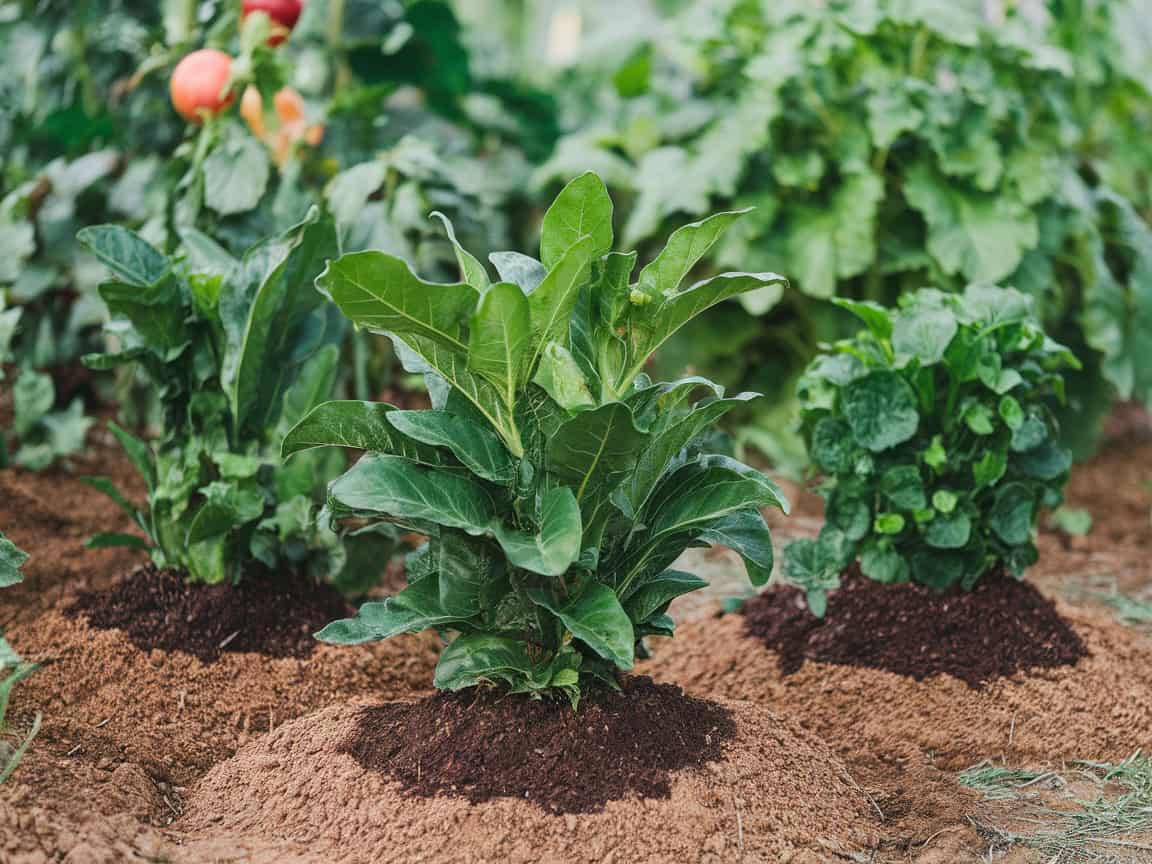
The next time you consider discarding your coffee grounds, reconsider. Your garden can benefit from the nutrients that are in used coffee grounds. They can also serve as a natural fertilizer for your garden soil, as coffee grounds are rich in nitrogen, which is essential for plant growth. Additionally, repurposing used coffee grounds supports sustainable gardening and helps nature’s cycles.
14. Black Ivory Coffee Comes from Elephant Digestion

Coffee can be made many ways, such as Black Ivory Coffee, with the elephants’ help using Black Ivory Coffee. Black Ivory Coffee costs more than estimated over $500 USD per filter bag. The elephant eats the whole coffee cherry and up to 8% of the weight of their body, and destroys the coffee bean. With the bean undergoing one of the four processes of fermentation, the bean loses its bitterness, and instead tastes smooth with a ton of chocolate. The process then uses the bean as specialty coffee and is defecated, dried, and blended. With the coffee, Black Ivory Coffee uses the conservation of wildlife, as some funds helping for the elephants. Other ways to support the environment, helps the community.
15. The Word ‘Coffee’ Has Roots in Arabic

With the aid of the elephants, Black Ivory Coffee is made in a unique way, and uses something rather natural. Of the processed beans that have been cleaned, in addition to the distinct mixture of nature and coffee, Black Ivory Coffee helps save wildlife, as some of the funds go to caring for the elephants.