Ever been in a coffee shop and wondered why the coffee didn’t taste right? You’re not the only one. Making the ideal coffee drink is both scientific and artistic. It takes skill for the right recipe and method. Beginners to the coffee world may overlook the essentials, from cooking steps to the staying practices, which may leave them with a mediocre cup of coffee. That’s why we will help you and these mistakes to elevate your coffee experience. As we examine the mistakes to avoid so your morning coffee experience is something you can enjoy, rather than endure, please continue.
1. Skipping the Importance of Fresh Beans
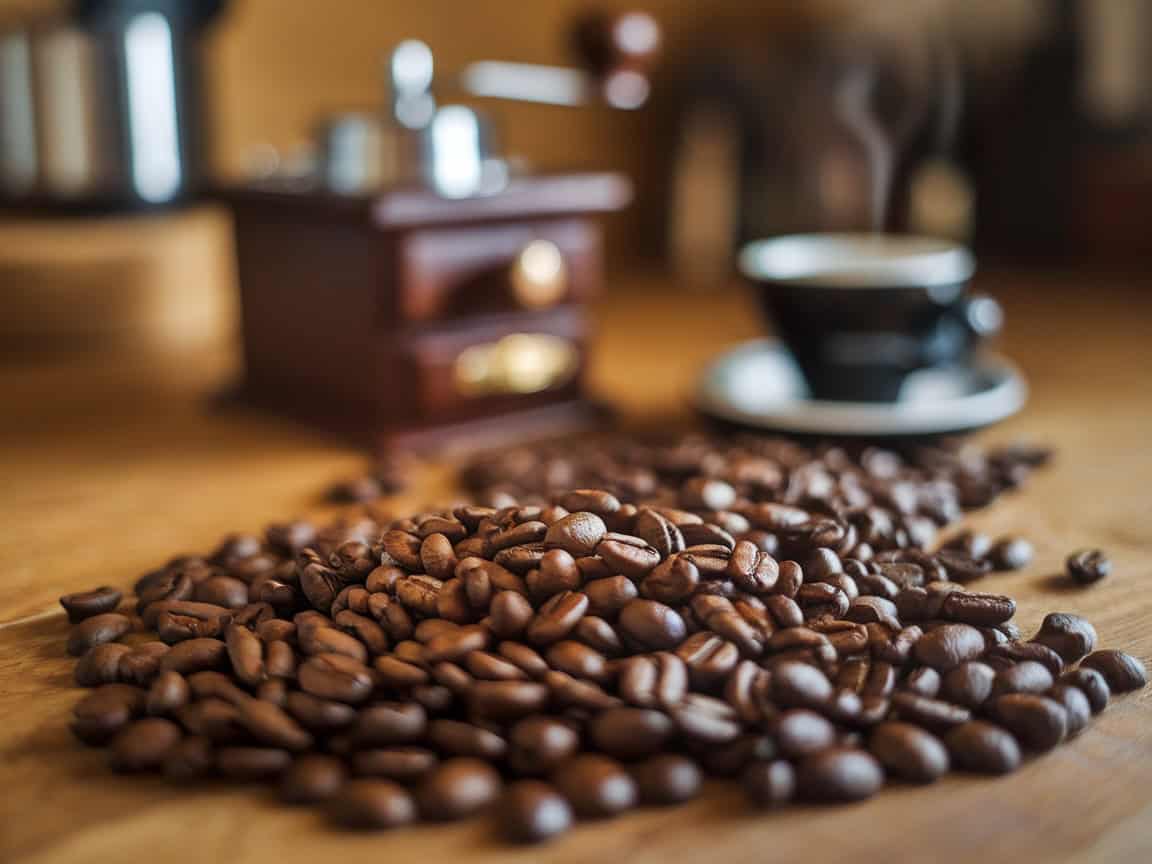
For many coffee lovers, one of the biggest mistakes is to use old coffee beans without any aromas or oils. Just like fruits and vegetables coffee beans lose their oils days after roasting. Your morning coffee will taste bland, and your coffee drinking experience will not be delightful. Therefore, you should buy coffee beans from a local roaster as you will definitely notice the difference. The moment you open the bag, you will be able to experience a stronger aroma.
Get a FREE first bag of coffee from our friends at Atlas Coffee Club when you subscribe. Enter your email to get the deal.
2. Neglecting the Right Grind Size for Your Brew
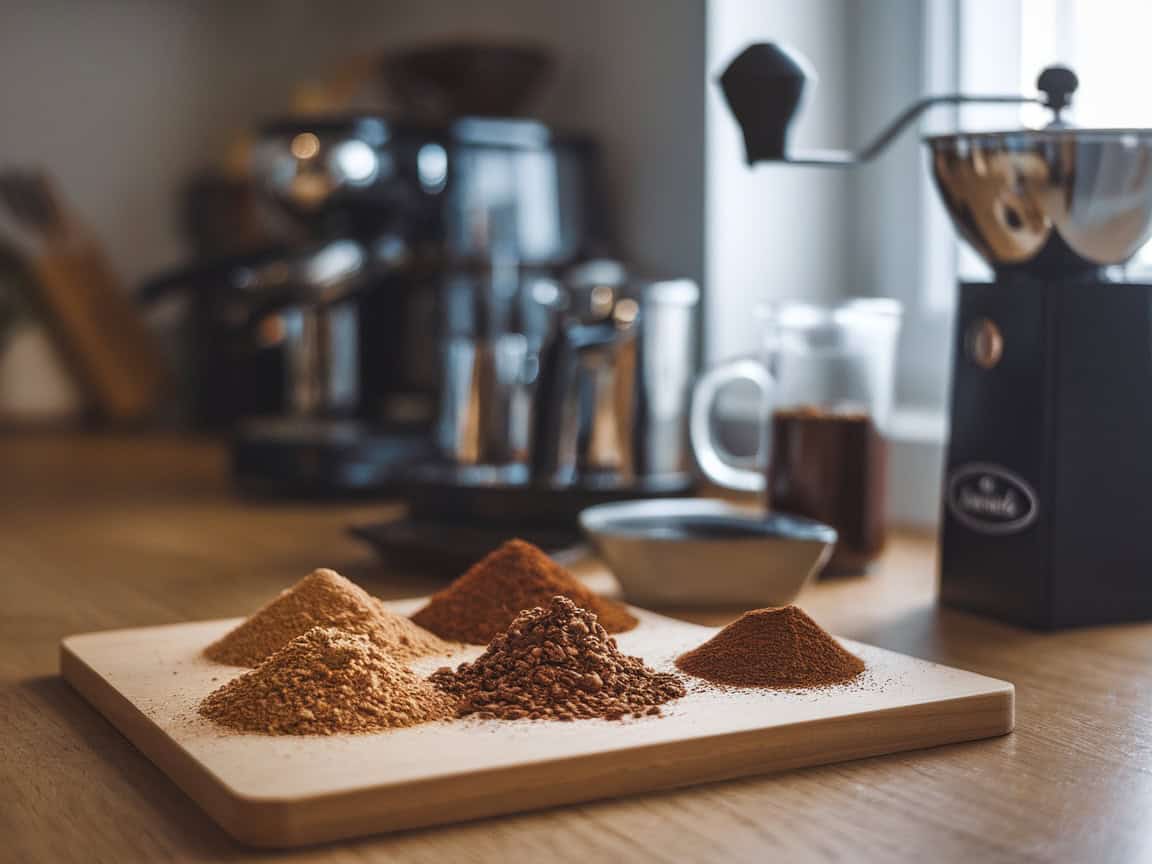
Getting the grind size right for the coffee brewing method you are using is important for bringing out the right flavor and strength from your coffee beans. Many people make the mistake of using the same grind size for all brewing methods. This can cause coffee brewing problems like over extraction and under extraction. For instance, with the French press, if the grind is too fine, the coffee will be bitter because the water will pull too much of the bitterness out of the coffee during the longer brew time. On the other hand, if the grind is too coarse for espresso, you will end up with a cup that is weak and sour and does not have the depth or punch that you would expect. Each coffee brew method, whether you are using pour over, AeroPress, or even the classic drip method, has a specific grind size that will ensure extraction is balanced. This is why getting a decent burr grinder will help you find the right level of grind for each technique, and help you take your coffee routines to a new level.
3. Ignoring Water Temperature Precision
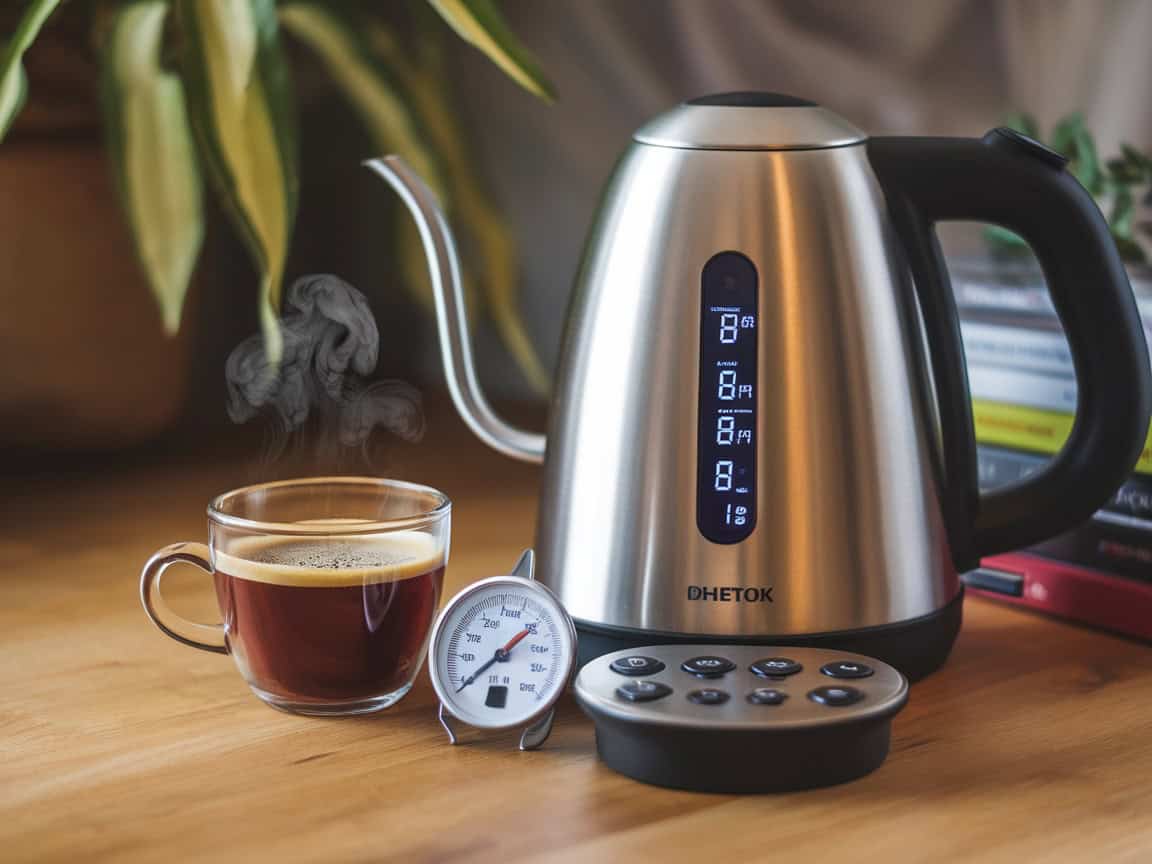
The secret to brewing excellent coffee is more than just the beans and the grind; It’s about the right water temperature. If you don’t consider this aspect, it can be the reason for an unsatisfactory result. Using water that’s too hot (over 205°F) burns the coffee grounds and creates a bitter taste. On the other end of the spectrum, cold water (under 195°F) means\ under-extraction, which keeps the important flavor compounds trapped resulting in a boring brew. Using water at temperatures ranging from 195°F to 205°F is ideal to get those high-quality beans and give you the coffee flavors you want. Stop guessing water temperature for good and get a thermometer or temperature-controlled kettle to consistently get the best results.
4. Brewing with Stale Pre-Ground Coffee
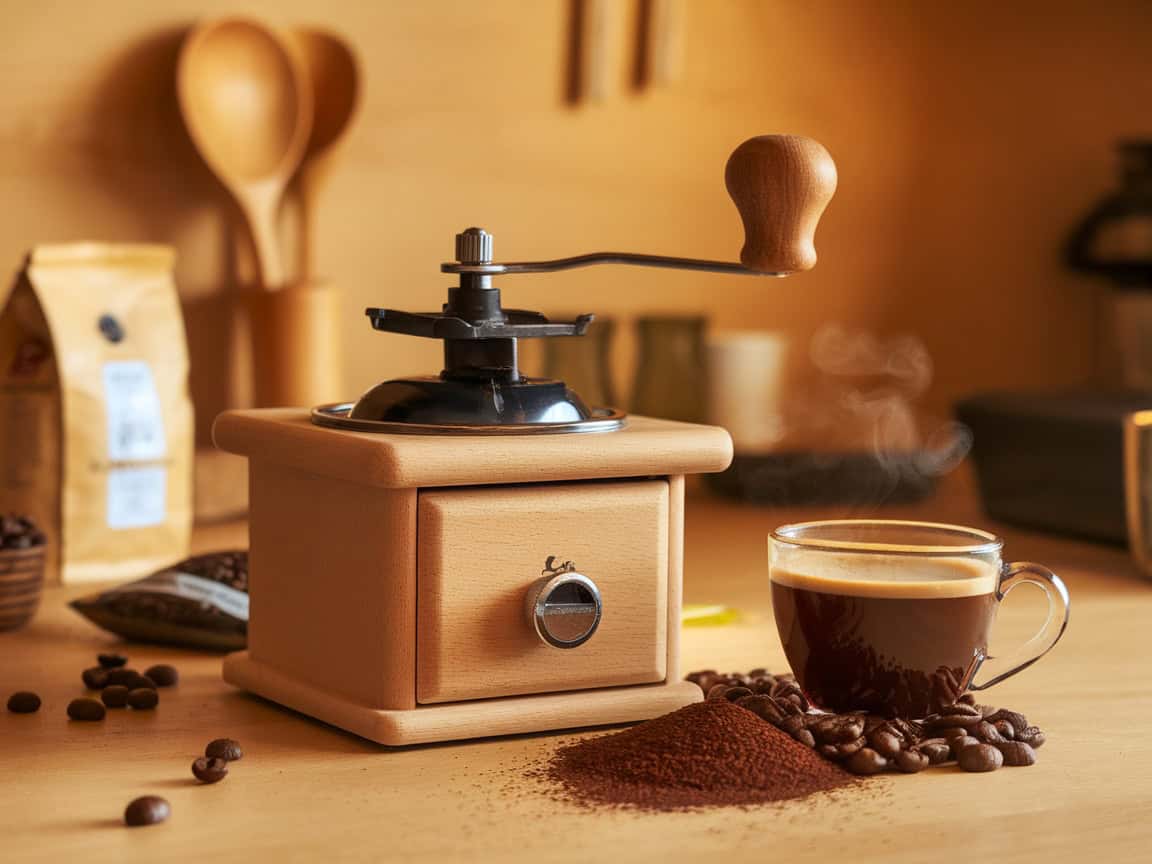
There is a small change that can make a world of difference in your coffee drinking experience–stop buying preground coffee! Buying coffee that has not been ground is going to provide you with a better experience because it is fresher and contains a better aroma. Coffee beans begin to release essential oils once they are ground, and the longer they are left, the more oils are released, resulting in the coffee losing its taste and aroma. Because of the many hands pre-ground coffee goes through, by the time it gets to your house, most of its good qualities are already gone. In order to preserve the rich scent of the coffee and its full flavor, be sure to only grind the beans immediately before it is time to brew the coffee. Not only will this help you brew the coffee, it will also help to utilize the full potential of the specialty beans that you have purchased. For this to work well, be sure to purchase a quality burr grinder to use, and you will definitely enjoy the added aroma and flavor from the coffee.
5. Storing Coffee Beans Improperly
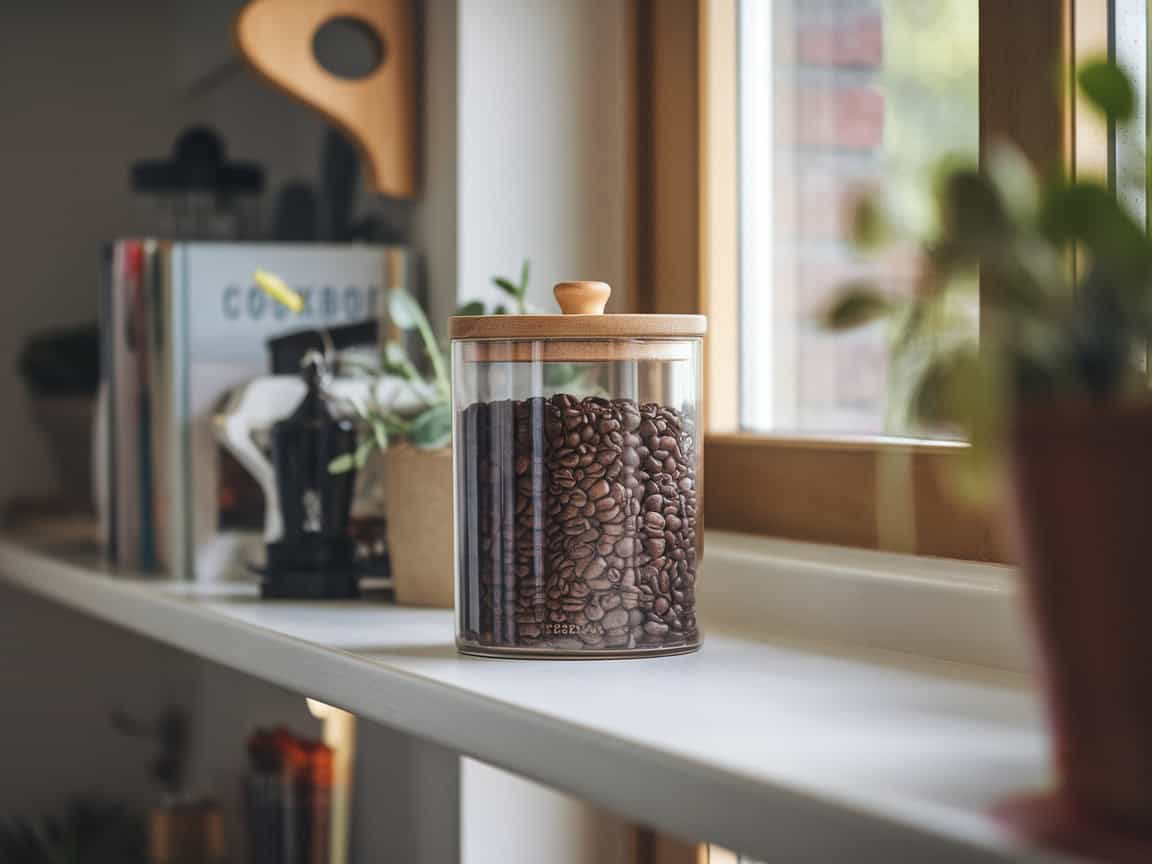
You might think that like fine wine or valuable spices, Coffee Beans have to be stored a certain way to keep thier freshness. In fact, Coffee Beans do not have to be stored in a high tech way. But, sadly, many people store them so badly that the lose their aroma and taste. This is because heat, and moisture are the natural enemies of Coffee Beans. Staling occurs at an accelerated rate, and your coffee will be a shadow of its former self. To optimize the longevity of your beans, store them in an airtight container and place them in a cool, dark place. Containers made of ceramic or of an opaque material are the best because they block light, and the seal is tight enough to trap air. Every time you brew a cup of coffee, as long as you follow the above directions, the delightful oils and flavors will be retained, guranteeing a great cup of coffee will come out of the beans.
6. Using Poor Quality Water

The water you use is as important to brewing a great cup of coffee as the beans. If you’re using tap water with impurities, you will compromise the taste of your brew and might even make the coffee taste metallic or earthy. This is when hard water is used because of the unwanted minerals that affect the extraction process, and it can damage your coffee maker by causing buildup. So your best option is probably some filtered or bottled water. That way you will get all of the natural flavors of the coffee, and you will also get to enjoy the water with each sip. It should be obvious that using pure water is a huge benefit to the brewing process, and it will keep the equipment in good shape for longer.
7. Not Grinding Beans Immediately Before Brewing

Just by grinding your coffee beans before brewing, you can greatly enhance the flavor and aroma of your coffee. Ground coffee beans begin to oxidize, which causes them to begin losing flavor. If you wait too long to brew, your coffee will be flat and boring. By making it a habit to grind your beans before every brew, you will be able to enjoy all the flavors and inviting aromas that your coffee has. With each sip, you will be able to enjoy the different tastes that the high quality beans have. Taking the time and investing in a good grinder will elevate the quality of the coffee that you drink every day.
8. Forgetting the Coffee Bloom Step
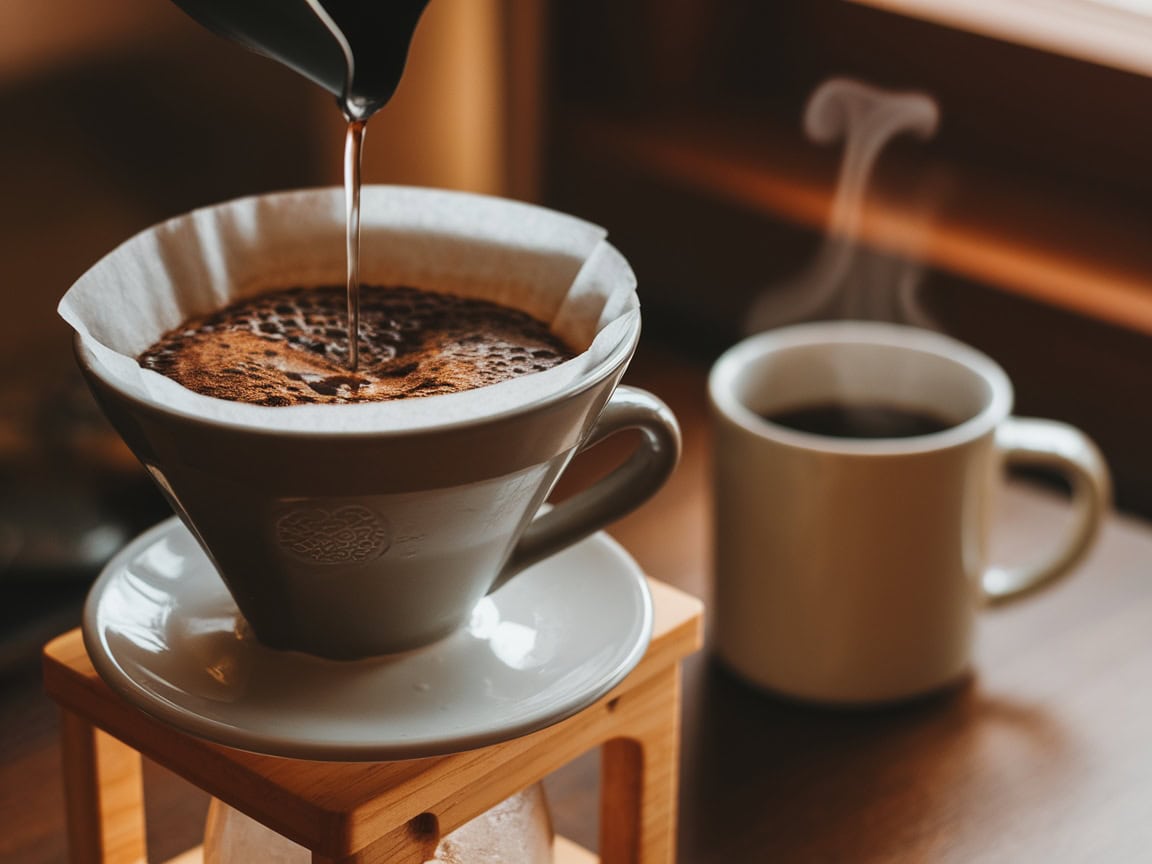
When making coffee, one often-overlooked yet critical step in maximizing the quality of the experience is allowing the coffee grounds to bloom. Coffee grounds contain carbon dioxide, which when roasted, gets absorbed by the bean. Coffee grounds begin to release the absorbed carbon dioxide gas when a small amount of hot water is poured over them prior to the full brewing process. This process is known as coffee bloom. This process is vital to the optimal extraction of the coffee being brewed. Neglecting this process will lead to uneven saturation of the coffee being brewed because pockets of gas will be trapped by water, thus making it impossible for the water to fully circulate. To allow your coffee to bloom, simply take some hot water and pour it over the coffee grounds and let it sit for about 30 seconds. If done correctly, you should see bubbles form. This is a clear indication that the coffee is ready to be brewed. Allowing the grounds to bloom will ultimately lead to an experience that is more flavorful, aromatic, and enhances the overall quality of the brew.
9. Incorrect Brewing Time

When it comes to making coffee, understanding how time impacts the way the coffee tastes is important. For example, if your coffee is brewed too long, you will end up with ‘over-extracted’ coffee brew. This is when the coffee grounds release to many of the flavor compounds causing it to become bitter and resulting in the natural sweetness of the coffee beans being overshadowed. On the other hand, not coffee not being brewed long enough will cause it to taste ‘under-extracted’ which will make the coffee taste sour and weak because there will be many desirable flavors that just weren’t brewed long enough. On average, coffee made useing a French press take four minutes to brew. Drip coffees, on the other hand, take about five minutes. Balancing time when making your coffee is really important. Give it enough time to brew to get all the flavor and natural qualities the beans have to offer.
10. Not Preheating Equipment
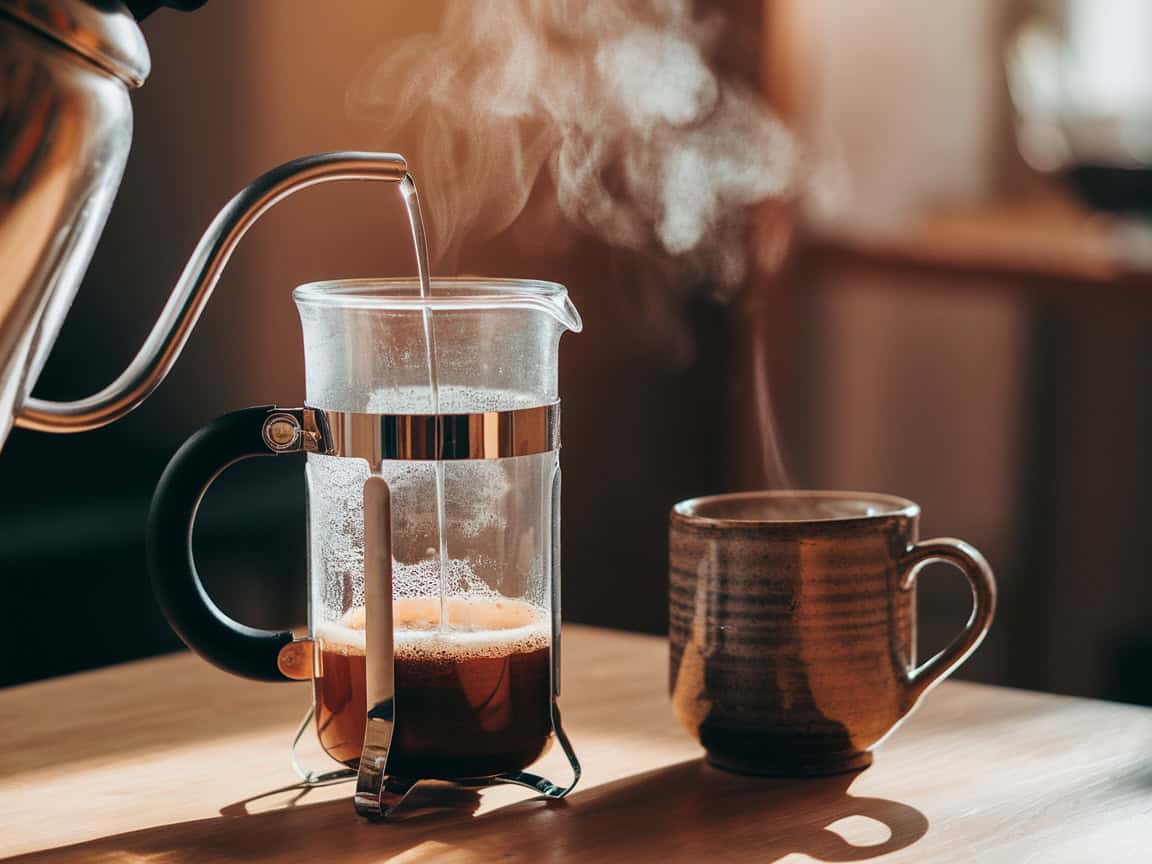
Preheating your mug and brewing equipment is one of the most beneficial yet most often ignored steps in crafting better coffee. If you use a French press that sits at room temperature and pour hot coffee into a mug that is at room temperature, the first heat of the coffee is absorbed by the surfaces of the press and mug, leaving you with a cup that is not hot at all. If you want the coffee you just brewed to have the maximum heat retention (and also to allow you to enjoy the coffee’s unique flavor profiles at the best temperature), you will need to preheat the mug and brewing equipment first. To make this a reality, fill the mug and the brewing equipment with hot water, and let it sit for a short time before you dump the water and continue with the brewing process you use. With very little effort, you will be able to improve the quality of the drink you are brewing, and you will be able to maintain a consistently hot temperature to the drink.