For coffee enthusiasts, the ritual of brewing and savoring a cup transcends mere routine—it’s an art form, a source of comfort, and a dive into a world rich with culture and history. Whether you’re a seasoned connoisseur or just beginning to explore the depths of what coffee has to offer, understanding the myriad terms associated with this beloved beverage can elevate your experience and appreciation. We’re sharing essential coffee terms, providing insight into everything from foundational brewing techniques to the intricacies that make each cup unique.
1. Espresso: The Foundation of Coffee Culture
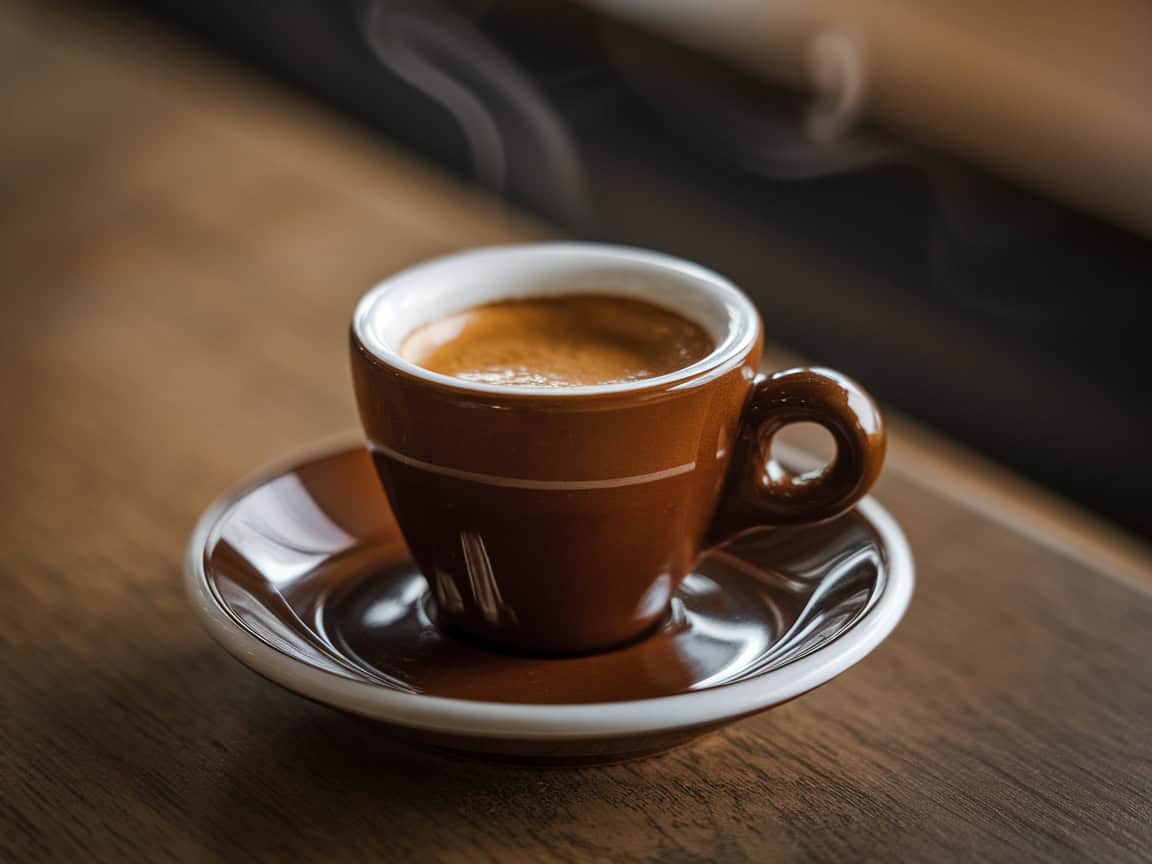
Espresso is the heart of countless coffee beverages around the world. Known for its rich, concentrated flavor, this small but mighty shot is crafted by forcing hot water through finely-ground coffee beans at high pressure. The result is a bold, aromatic brew topped with a frothy layer of crema. What sets espresso apart is its versatility—whether enjoyed on its own or as the base for lattes, cappuccinos, or Americanos, it’s an essential element that elevates the coffee experience. Its intense flavor profile is beloved by coffee purists, who appreciate the complexity and depth that a well-pulled espresso shot delivers.
Get a FREE first bag of coffee from our friends at Atlas Coffee Club. (Just pay shipping). Enter your email to get the deal.
2. Latte Art: Crafting Coffee Masterpieces

Latte art turns a simple cup of coffee into a work of art. Originating in the specialty coffee scene, this practice involves expertly pouring steamed milk into a shot of espresso, creating intricate patterns like hearts, rosettas, and swans. Beyond aesthetics, latte art holds significance in the coffee world—it’s a testament to the barista’s skill and a visual promise of a well-crafted beverage. The key lies in achieving perfectly textured milk, which allows the art to hold its shape, balancing both form and flavor. For coffee enthusiasts, a beautifully designed latte is more than just a drink; it’s an expression of the passion behind every cup, embodying the blend of artistry and precision in coffee presentation.
3. Third Wave Coffee: The Revolution in Your Cup
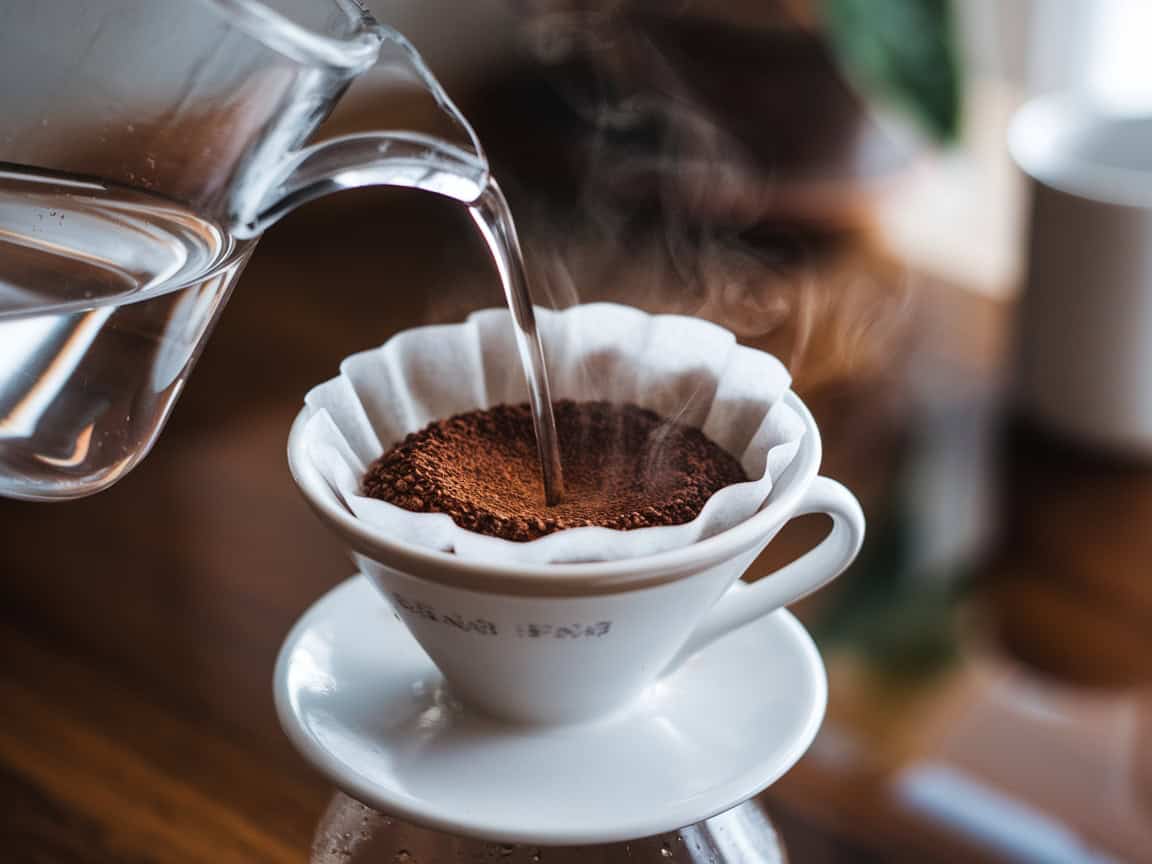
The third-wave coffee movement has transformed our approach to coffee, elevating it from a mere daily ritual to a craft akin to fine wine. This movement emphasizes quality, transparency, and sustainability, focusing on single-origin beans and carefully monitored roasting processes. It’s all about appreciating the nuances of flavor profiles, understanding the journey from bean to cup, and recognizing the skill involved in producing exceptional coffee. Coffee enthusiasts are encouraged to savor each sip, noting the taste complexities that vary with regions and producers. Third-wave coffee shops often highlight their partnerships with farmers, ensuring a fair trade and an ethical supply chain, reflecting a deep respect for the artisanal nature of coffee making.
4. Single-Origin Coffee: Discovering Unique Flavors

Single-origin coffee beans are a hallmark of the third-wave coffee culture, celebrated for their ability to capture the distinct taste notes and characteristics unique to their specific origin. Unlike blends, single-origin beans come from a single geographical location or farm, offering coffee drinkers a chance to explore the terroir—the environmental factors like soil and climate—that directly influence the beans’ flavor. This translates into a cup that might highlight bright citrus undertones from Ethiopian beans or rich chocolate and nutty flavors from Colombian varieties. Coffee aficionados appreciate single-origin varieties for the ability to experience the authentic and unaltered taste of a particular region, allowing each cup to tell its own story through unique flavor profiles.
5. Arabica vs. Robusta: The Beans Behind the Brew
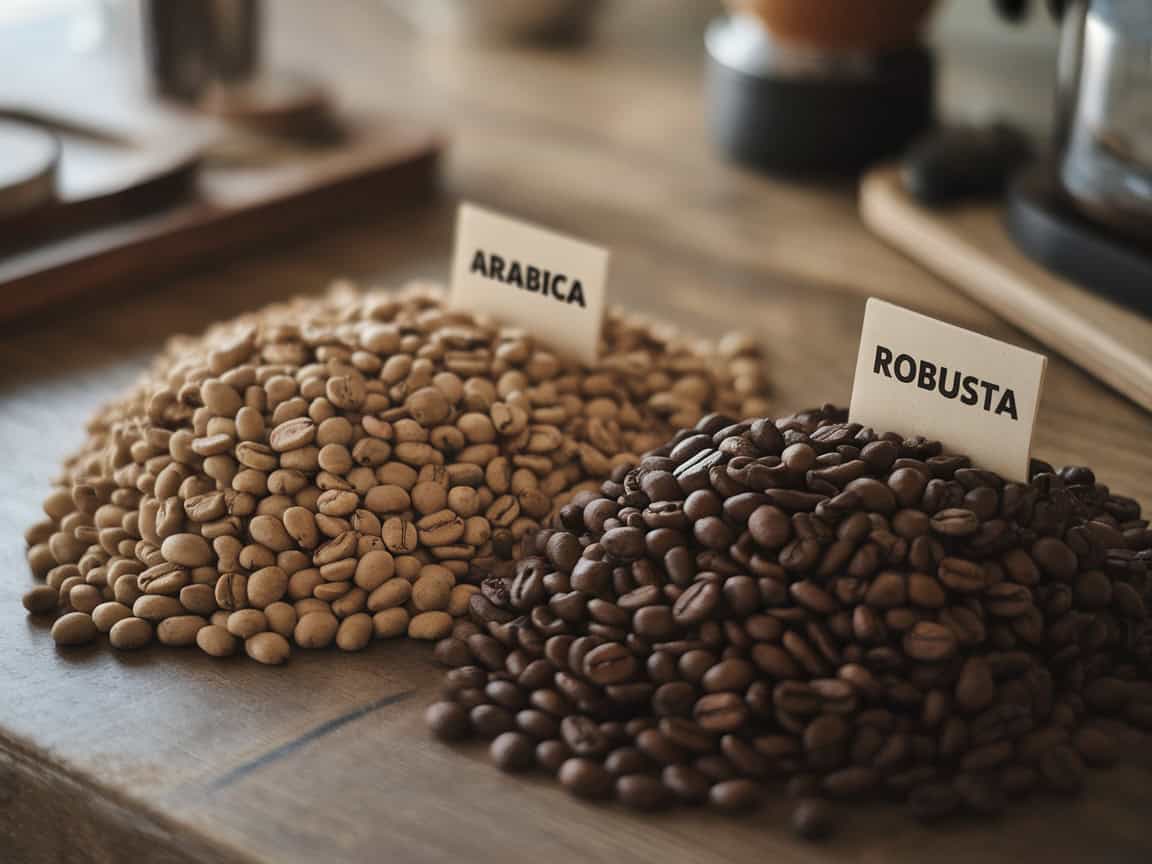
When it comes to coffee beans, Arabica and Robusta are the two primary types that dominate the global market, each offering distinct flavor profiles and characteristics. Arabica beans are prized for their smooth taste and complex flavor notes, often revealing hints of fruit and sugar with a slight acidity. Grown at higher altitudes, Arabica plants are more delicate, requiring specific climate conditions, which sometimes leads to higher prices. On the other hand, Robusta beans are known for their strong, bold flavor with a nutty, earthy profile and a significantly higher caffeine content that contributes to their bitterness. These beans are more robust, as their name suggests, growing in lower altitudes and harsher climates and typically costing less. For coffee enthusiasts, understanding the differences between these beans is key to selecting their preferred flavor experience, from Arabica’s subtle nuances to Robusta’s powerful kick.
6. Pour-Over Coffee: Precision in Every Pour
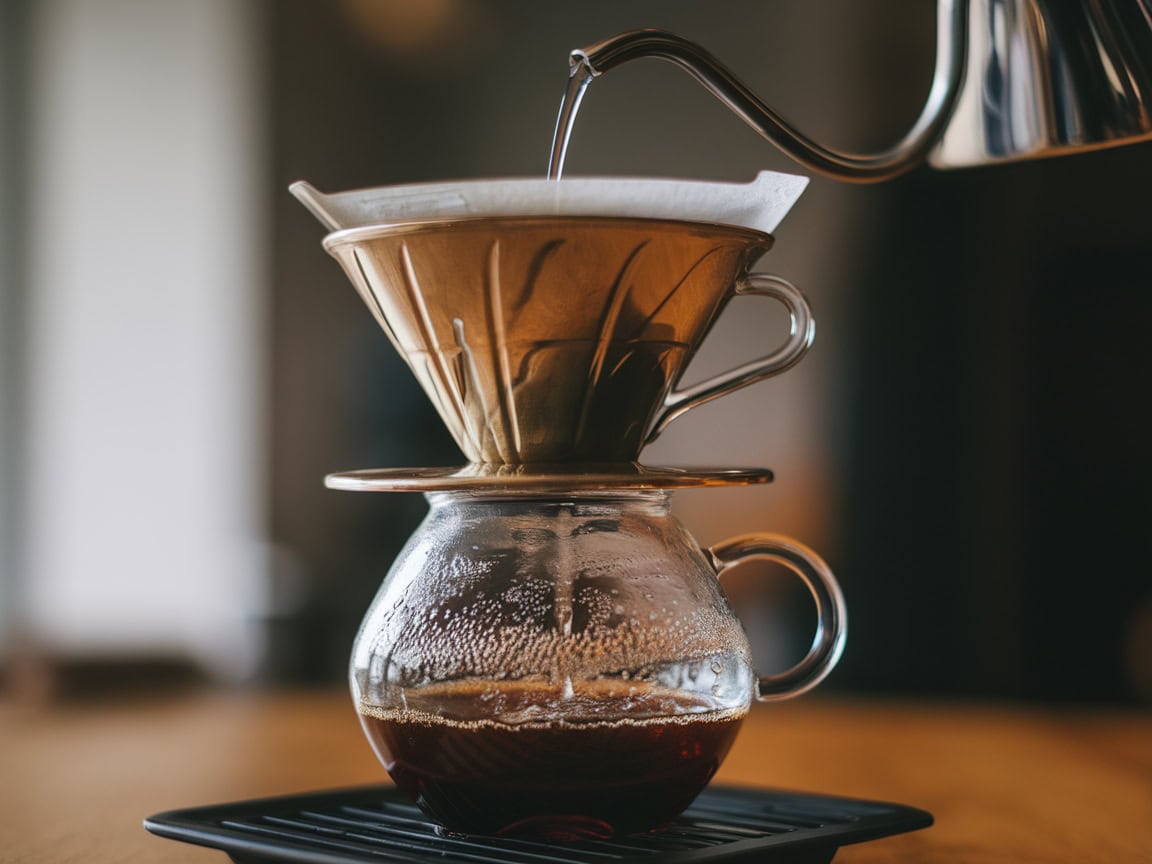
Pour-over coffee is a method cherished by many coffee aficionados for its precision and the unparalleled control it provides over the brewing process. Using a pour-over coffee maker, enthusiasts can meticulously adjust water temperature, flow rate, and brew time to extract the perfect balance of flavors from their coffee grounds. This method emphasizes the tactile and contemplative aspects of coffee making, asking the brewer to be attentive to every detail, which translates into a cup with clear, bright flavors and aromatics. Whether you’re using a classic V60 or a Chemex, pour-over brewing invites you to engage with the process, allowing each cup to be an exploration of the intricate flavors that single-origin beans have to offer. For those who delight in the nuances of taste and the ritual of brewing, the pour-over method offers both satisfaction and sophistication.
7. AeroPress: The Modern Brew Method

The AeroPress has garnered a dedicated fan base among coffee enthusiasts due to its simplicity, versatility, and ability to produce a rich, flavorful cup with minimal equipment. Invented in 2005, this brewing device resembles a large syringe, using air pressure to push hot water through coffee grounds. This unique method reduces bitterness and acidity, resulting in a smooth and robust cup. Coffee lovers appreciate the AeroPress for its adaptability—it’s suitable for making espresso-style shots or lighter, tea-like brews, simply by adjusting the grind size, water temperature, and steeping time. The compact design makes it ideal for those on-the-go, whether you’re traveling, camping, or just looking for a quick, clean brew at home. It’s a testament to how innovation can enhance the coffee experience, offering endless experimentation and personalization for each brew.
8. Coffee Bloom: Enhancing Coffee Extraction

The bloom phase is a critical step in coffee brewing, particularly noted in methods like pour-over and, to an extent, espresso preparation. When hot water initially meets the coffee grounds, it triggers the release of trapped carbon dioxide gases, a process known as blooming. This phase is vital as it primes the grounds for even extraction, ensuring that when the rest of the water is added, it penetrates uniformly, extracting flavors more efficiently. For about 30 seconds, you’ll notice the coffee grounds expanding and bubbling, resembling a blossoming bloom—hence the name. This brief but essential step can greatly influence the depth and brightness of your final brew, making it a key factor in achieving a well-balanced cup with enhanced flavors and aromas.
9. Cold Brew: Iced Coffee’s Smoother Cousin

Cold brew has taken the coffee world by storm with its smooth taste and mellow acidity, making it a favorite alternative to traditional iced coffee. The secret to cold brew lies in its brewing process: coarse coffee grounds are steeped in cold water for an extended period, typically 12 to 24 hours. This slow extraction method minimizes the acidity and bitterness that can come with hot-brewed coffee, resulting in a naturally sweet, full-bodied beverage. Cold brew is perfect for sipping on a hot day or as a base for creative coffee concoctions like nitro cold brew. Its concentrated nature means it can be served over ice or blended with milk or your favorite flavorings. Coffee lovers appreciate cold brew not only for its flavor but for the way it transforms the coffee experience into something refreshingly smooth and remarkably distinct from its hot-brewed counterparts.
10. Latte: The Perfect Balance of Espresso and Milk

A latte is one of the most beloved coffee classics, loved for its creamy texture and harmonious blend of espresso and steamed milk. The traditional latte consists of a single or double shot of espresso, typically topped with a generous amount of freshly steamed milk and a small layer of milk foam. This combination results in a mellow, subtly sweet drink that highlights the robust flavors of espresso while offering a comforting smoothness from the milk. Lattes are customizable, often enjoyed with flavored syrups like vanilla or caramel for additional sweetness. Art meets coffee in a latte, as they are also a canvas for intricate latte art, making the drinking experience as visually pleasing as it is flavorful.
11. Chemex: Elegance in Brewing
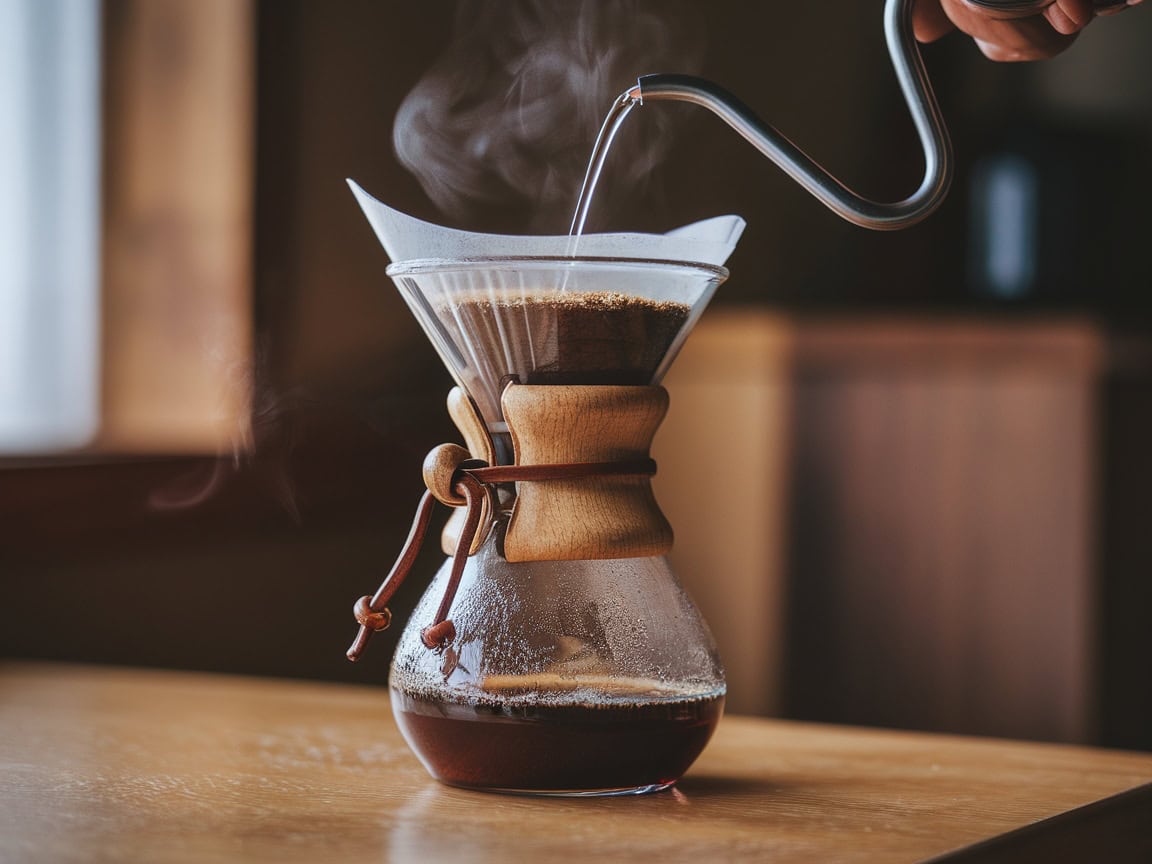
The Chemex method is beloved by coffee aficionados who appreciate its ability to deliver exceptionally clean and crisp cups of coffee, with a style and elegance uniquely its own. Designed with a distinctive hourglass shape and crafted from high-quality glass, the Chemex marries both form and function. It uses specially designed filters that are thicker than typical options, effectively removing most of the coffee oils and fine particles during brewing. This results in a brew that is smooth, clear, and highlights the delicate, nuanced flavors of the coffee beans. Coffee enthusiasts who enjoy a lighter, more refined tasting experience often choose the Chemex for its ability to produce a visually striking and remarkably flavorful cup, making it a centerpiece in both the brewing process and on any kitchen counter.
12. Crema: The Mark of a Quality Espresso Shot

Crema is the crowning glory of a well-pulled espresso shot, often regarded as a visual and flavor indicator of a masterful brew. This golden-brown, frothy layer forms on the surface of a freshly extracted espresso, created by the emulsification of coffee oils with hot water under pressure. Its presence is more than decorative; crema acts as a seal that locks in the aroma and enhances the flavor profile of the espresso. A robust crema signifies fresh, carefully roasted beans and a precise extraction process, heralding a rich and enticing coffee experience. For espresso enthusiasts, examining the crema is a ritual that hints at the quality and character of the brew beneath, offering a first glimpse at the richness and depth that awaits in every sip.
13. Siphon Brewing: Science Meets Art

Siphon brewing is a dazzling coffee-making method where science seamlessly intertwines with art. Also known as vacuum brewing, this technique has fascinated coffee enthusiasts for decades with its laboratory-like setup and captivating visual process. The siphon brewer consists of two chambers: water is heated in the lower chamber, creating vapor pressure that pushes hot water into the upper chamber, where it merges with coffee grounds. As the heat is removed, gravity pulls the brewed coffee back down through a filter, leaving grounds behind. This method accentuates delicate, tea-like flavors and aromas, offering a clean yet complex cup. Coffee lovers are drawn not only to the distinctive taste but also to the mesmerizing brewing ritual that turns coffee preparation into a performance, blending precision, timing, and a dash of chemistry.
14. Microfoam: The Secret to Silky Milk

Microfoam is a finely textured milk that serves as the foundation for creating smooth, silky espresso-based drinks like cappuccinos and lattes. Achieving the perfect microfoam involves expertly steaming milk to produce tiny, uniform bubbles—a process that not only enhances the milk’s texture but also its flavor and temperature. The ideal microfoam has a glossy, velvet-like appearance and consistency, which integrates seamlessly with espresso, enhancing its creaminess without overpowering its distinct flavors. The key to mastering microfoam lies in technique: employing the right steam wand position and creating a whirlpool in the milk allows the bubbles to incorporate evenly. This process doesn’t just improve the mouthfeel of a drink; it’s essential for crafting latte art. For enthusiasts, perfecting microfoam turns coffee making into an artistic and aromatic experience, elevating each cup with sophistication and harmony.