For many of us, coffee is more than just a drink—it’s a ritual that propels us through mornings and energizes those long afternoons. Yet, there are moments when our love for this aromatic brew may not serve our best interests. Understanding when to put down that coffee cup can be crucial for maintaining health and well-being. From affecting sleep to interfering with medication, and even impacting pregnancy and athletic performance, knowing when to take a break from coffee can help you enjoy it responsibly. Let’s explore the scenarios where skipping that caffeine fix is the mindful choice for a healthier lifestyle.
1. Before Bedtime: Coffee Now Means Sleepless Nights Later

Enjoying a piping hot cup of coffee late in the evening might seem like a cozy ritual, but it can lead to unwanted interruptions in your sleep. Caffeine, a natural stimulant, can stay in your system for hours, affecting your ability to fall asleep when bedtime rolls around. Studies have shown that consuming coffee even six hours before sleep can reduce sleep quality significantly, leading to tossing, turning, and ultimately, insomnia. It’s best to enjoy your last cup at least six to eight hours before you plan to hit the hay, and opt for soothing herbal teas if you need a warm beverage later in the day.
Get a FREE first bag of coffee from our friends at Atlas Coffee Club. (Just pay shipping). Enter your email to get the deal.
2. Empty Stomach: Coffee Could Upset Your Gut

Sipping coffee on an empty stomach might sound like an invigorating start to the day, but it can actually lead to digestive discomfort. Coffee stimulates acid production in the stomach, which can cause irritation and lead to issues like heartburn or indigestion if there’s no food to act as a buffer. Regularly indulging in this habit can potentially disrupt your gut health over time. To keep your digestive system happy, it’s wise to have breakfast first or pair your coffee with a snack, ensuring your stomach lining is well protected from the acidic nature of coffee.
3. Feeling Anxious? Coffee Might Be Making It Worse

If you’re someone who battles anxiety, coffee might be an unsuspecting contributor to those jittery feelings. Caffeine, the central component of coffee, can increase heart rate and stimulate the nervous system, which can intensify anxiety symptoms in susceptible individuals. Many people don’t realize that their beloved morning brew might be the cause of their restlessness and heightened nerves. For those sensitive to caffeine’s effects, switching to decaffeinated options or herbal teas can help maintain a sense of calm without sacrificing the comforting ritual of a warm cup in hand.
4. Afternoon Coffee Break? Think Again for Better Sleep

Grabbing that afternoon cup of coffee might seem like the perfect pick-me-up, but it can silently sabotage your sleep later that night. Caffeine takes an average of five hours to reduce to half its strength in your bloodstream, meaning your 3 p.m. espresso can still be interfering with your ability to wind down come bedtime. This delay in feeling sleepy can disrupt your natural sleep cycles, leading to less restorative rest. To avoid lying awake staring at the ceiling, consider swapping your afternoon coffee for a decaf version or perhaps try a short walk to re-energize your day without caffeine’s lingering effects.
5. Dehydrated? Coffee Isn’t Helping

On a sweltering day, enjoying a coffee might sound refreshing, but this popular beverage could contribute to dehydration. Coffee acts as a diuretic, promoting fluid loss through increased urination. In hot weather, this effect can compound the risk of dehydration. Although coffee is a liquid, its stimulating properties can overshadow the hydrating potential some assume it has. To stay properly hydrated, especially when the temperatures rise, it’s wise to balance coffee consumption with plenty of water. Prioritizing hydration will help you feel more energetic and keep heat-induced fatigue at bay.
6. Fasting for Bloodwork? Don’t Sabotage It with Coffee

If you’re preparing for a fasting blood test, you’ll want to steer clear of coffee, even if it’s black. Consuming coffee before your test can interfere with accurate blood sugar and cholesterol readings. Caffeine in coffee can stimulate insulin production, potentially altering your glucose levels. Moreover, coffee’s diuretic effect can lead to changes in blood volume, affecting the concentration of certain components in your bloodstream. To ensure precise results from your bloodwork, it’s best to stick to water until after your test is completed. This small precaution can prevent unnecessary confusion over your health metrics and provide a clearer picture for your healthcare provider.
7. High Blood Pressure Alert: Time to Rethink That Coffee Cup
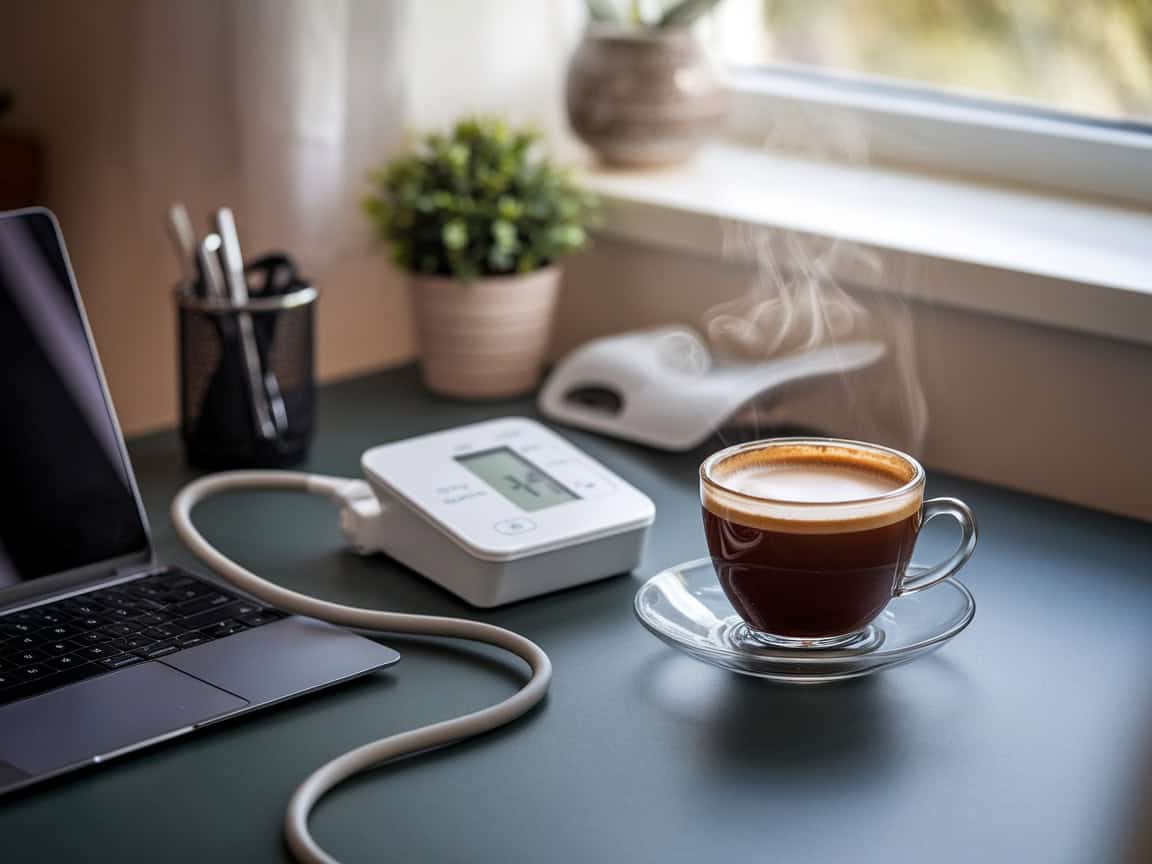
For those monitoring their blood pressure, that morning cup of coffee might need reconsideration. Caffeine has been known to cause short-term spikes in blood pressure, even in individuals without hypertension. This temporary increase in pressure can be concerning, particularly for those with existing cardiovascular conditions. The exact mechanism isn’t entirely understood, but caffeine may block a hormone that keeps your arteries widened, or it could lead to a release of adrenaline. If you’re trying to keep your blood pressure stable, consider opting for decaf or monitoring your reaction to caffeinated coffee closely. Small changes in your routine, like moderating caffeine intake, can contribute to better blood pressure management over time.
8. Under Stress? Coffee Could Be Fueling the Fire

In times of stress, reaching for a steaming cup of coffee might seem like a quick fix, but it can actually exacerbate your stress levels. Coffee increases the production of cortisol, the body’s primary stress hormone, potentially intensifying the feelings of tension and anxiety you’re already experiencing. This hormonal surge can impact your mood, increase your heart rate, and even disturb your sleep patterns. To help manage stress naturally, try switching to a calming herbal tea or taking a moment to practice deep breathing. Making these small adjustments can lead to more balanced and sustained energy throughout your day, without the rollercoaster of stress hormones that coffee might trigger.
9. Struggling with Heartburn? Coffee Could Be the Culprit

For many, savoring a cup of coffee is a morning ritual, but for those prone to heartburn, it may be aggravating digestive discomfort. Coffee is acidic by nature and can relax the lower esophageal sphincter, the muscle responsible for keeping stomach contents where they belong. When this happens, stomach acids can creep back up into the esophagus, leading to the burning sensation known as heartburn. For some, the rich, delightful aroma and flavor of coffee might not be worth the uncomfortable aftermath. Opting for a low-acid coffee blend or enjoying your brew with a bit of milk might help buffer the acidity. Better yet, consider switching to herbal teas that soothe rather than stir up the stomach.
10. Hitting the Gym? Why Coffee May Not Be Your Best Pre-Workout Drink

While some fitness enthusiasts swear by a pre-workout cup of coffee for an energy surge, others might find it has unintended consequences. Caffeine can indeed boost alertness and performance, but it can also increase heart rate and cause jitteriness, which may be counterproductive during high-intensity exercise. For individuals sensitive to caffeine, this elevated heart rate could lead to discomfort or even palpitations. Furthermore, coffee’s diuretic effect can contribute to dehydration, especially during strenuous workouts. It’s crucial to evaluate how your body responds to coffee before exercising and consider swapping it for water or an electrolyte-rich drink to maintain energy and focus in a more balanced way.
11. On Medication? Coffee Might Be Messing with It

While that morning cup of coffee is a cherished start to the day for many, it can sometimes interfere with how medications work in your body. Caffeine, the main active ingredient in coffee, can affect the absorption of certain drugs or amplify their side effects. For instance, caffeine can interact with certain antidepressants or antibiotics, potentially altering their efficacy or causing unwanted reactions. It’s important to check with your healthcare provider or pharmacist about possible interactions and consider timing your coffee consumption accordingly. Switching to decaf or herbal teas during your medication regime may help ensure you’re getting the full benefit of your prescriptions without the complicating effects of caffeine.
12. Prone to Migraines? Coffee Could Be a Hidden Trigger

For those who suffer from migraines, coffee might play a mischievous role in setting off those debilitating headaches. Caffeine’s stimulating properties can cause blood vessels to constrict and then dilate, potentially triggering a migraine in susceptible individuals. While a small amount of caffeine can sometimes help relieve migraine symptoms, relying on it too heavily or varying your intake drastically can lead to headaches. Recognizing coffee as a potential trigger is key in managing migraine patterns. It may be helpful to keep a headache diary to track your intake and how it may correlate with migraine episodes, so you can make informed choices about your daily coffee habit.
13. Night Shift Ahead? Avoid Coffee for Better Daytime Sleep

Working night shifts often requires reconfiguring your lifestyle, especially when it comes to managing sleep. While coffee may seem like a trusty ally to help power through the night, it can disrupt your ability to catch quality sleep during the day. Caffeine’s effect on alertness can linger for hours, complicating the transition to restful slumber when you finally hit the bed. This can result in fragmented sleep cycles and leave you feeling unrested. Instead, shift workers might benefit from limiting coffee intake to the beginning of their shift and focusing on good sleep hygiene practices, like creating a dark, quiet bedroom environment to promote better sleep during daylight hours.
14. Trying for a Baby? You May Want to Ditch the Coffee

When planning to grow your family, considering lifestyle changes to improve fertility may be key. Coffee, with its comforting aroma and energizing effects, can be an indulgence that deserves a second thought during this time. Studies have suggested that high caffeine intake may affect fertility in both men and women by potentially impacting sperm quality and ovulation. While moderate consumption may not pose significant issues, it’s often advised to limit caffeine as part of a comprehensive approach to boost conception chances. Swapping that daily brew out for caffeine-free alternatives or reducing intake may contribute to a healthier fertility journey.