For many, drinking coffee isn’t just about taste. It’s a ritual. One that gets us going during our drag of a morning, and gets us energized during those grueling long afternoons. Though, there are times when our love for coffee may not be in our best interest. There is an importance of learning when to put down your coffee cup, and doing so can be good for your health. Coffee can have an effect on your sleep, and can even be an issue if you are on certain medications, have a pregnancy, or if you are an athlete. Taking breaks from drinking coffee is important to be able to enjoy your coffee. In this article, we will talk about when you should skip your coffee to be more health conscious.
1. Before Bedtime: Coffee Now Means Sleepless Nights Later

Telling yourself that coffee in the evening is a good idea is a easy thing to do, but it is an an even easier thing to do to cause disruption in your sleep. Making yourself a cup of coffee is a great way to relax after a long day, but since coffee has caffeine in it, it is a natural stimulant. Stimulants will make it harder to fall asleep when you are trying to go to bed. Multiple studies have been done on how drinking coffee within 6 hours of going to sleep can lead to insomnia and has a greatly reduced quality of sleep. The best thing to do is drink your last cup of coffee 6-8 hours before you go to sleep. If you feel like you need a hot drink after that, try some herbal tea to avoid sleep disruptions.
Get a FREE first bag of coffee from our friends at Atlas Coffee Club when you subscribe. Enter your email to get the deal.
2. Empty Stomach: Coffee Could Upset Your Gut

Starting your day off with a cup of coffee can feel refreshing. However, it can also lead to digestive problems. When you drink coffee, it causes your stomach to produce more acid. If there isn’t anything in your stomach, this can lead to heartburn or indigestion. This can also disrupt your gut health in the long term. To protect your digestive system, eat breakfast before you drink your coffee. This will line your stomach walls with food to protect from the coffee’s acidity.
3. Feeling Anxious? Coffee Might Be Making It Worse

While many people find coffee to be a calming and warm drink, this may not be the case for people who suffer from anxiety. This may be the case because coffee is full of caffeine, which speeds up your heart and can worsen anxiety. Drinking coffee causes many people to feel more anxious, but they do not realize that it is the coffee causing those feelings. A good substitute for people who want to drink warm drinks but don’t want the negative effects of caffeine can drink decaffeinated coffee or warm herbal tea.
4. Afternoon Coffee Break? Think Again for Better Sleep

You may think your afternoon coffee helps you power through the rest of the day, but it can actually hurt your sleep. Caffeine doesn’t just go away, after about five hours it is reduced to about 50 percent of its strength. If you have a coffee at 3 pm it could still be affecting your sleep hours later when you need to settle down. If you need to go to bed in a timely manner, consider drinking decaf coffee or trying a quick walk instead to re-energize yourself without the annoying effects of caffeine.
5. Dehydrated? Coffee Isn’t Helping

Having coffee on a hot day may sound good but it could actually lead to further dehydration. Dehydration from coffee is possible because of its diuretic properties that promote fluid loss through increased urination. In hot weather this compounds the risk of dehydration. Although coffee is a liquid, it’s stimulating properties can overshadow any effect of hydration that it may have. In hot weather it is wise to drink a lot of water and limit coffee to avoid dehydration. Staying hydrated and drinking a lot of water will help you feel more energized.
6. Fasting for Bloodwork? Don’t Sabotage It with Coffee
If you’re going to take a fasting blood test, you’re going to want to avoid black coffee as well. Coffee can affect the accuracy of blood sugar and cholesterol readings in a negative way. The caffeine can trigger insulin production and affect glucose levels. In addition, the coffee’s diuretic property alters blood volume, impacting the blood components concentration. If you want to get the most accurate results from your bloodwork, avoid anything except water until the test is done. This will help your doctor get less confusing results and provide clearer health insights.
7. High Blood Pressure Alert: Time to Rethink That Coffee Cup
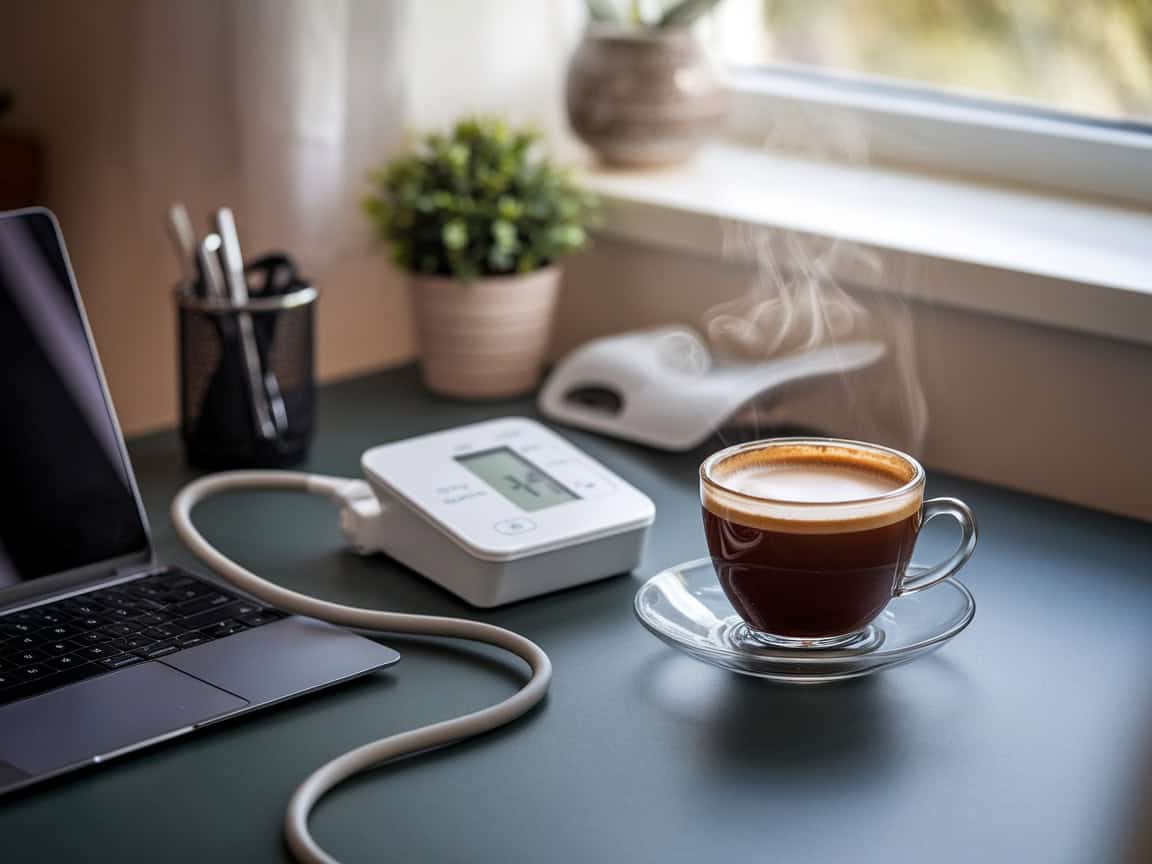
If you check your blood pressure regularly, you might want to avoid drinking coffee every morning. Caffeine can cause a spike in blood pressure temporarily, even in people who do not suffer from hypertension. For people with heart problems, this spike in blood pressure can be very dangerous. Researchers are not quite sure how this works, but it is thought that caffeine can cause the body to produce less of a hormone that makes blood vessels open wider, or caffeine increases the body’s production of adrenaline. If you want to keep your blood pressure down, it is probably best to avoid regular coffee and drink decaf instead. Years of research shows that the body adjusts to whatever is done, even if it is just limiting caffeine, over time it aids in the body’s ability to control blood pressure.
8. Under Stress? Coffee Could Be Fueling the Fire

When all of this is combined with emotional problems, it is very easy for one to reach for a coffee when they are under stress. But doing this will only make the stress worse. Cortisol is a hormone produced by the body under stress and the consumption of coffee increases its production. So one who has coffee can go from feeling challenged and under pressure to feeling even worse. Increased production of cortisol can cause higher heart rate, increased anxiety, disturbed sleep, and can even cause problems with the mood of the person. Natural stress management can be done by switching to herbal teas, taking deep breaths, and doing breathing exercises. Although it may sound simple, it can greatly help keep your focus and energy steady and decreasing levels of stress due to coffee.
9. Struggling with Heartburn? Coffee Could Be the Culprit

Many people enjoy drinking a cup of coffee in the morning. However, for people who are sensitive to heartburn, this can cause serious problems in their digestive system. Coffee relaxes the lower esophageal sphincter. This is the muscle that keeps the contents of the stomach from coming back up into the esophagus. When we drink coffee, the stomach can push acid that triggers a burning sensation back up into our esophagus. The lovely smell and taste of coffee can seem appealing, but it isn’t worth the discomfort that comes after drinking it. Choosing a less acidic coffee or adding milk can reduce the negative effects that coffee has. To feel calm and avoid the discomfort that coffee causes, switching to herbal tea is a great choice.
10. Hitting the Gym? Why Coffee May Not Be Your Best Pre-Workout Drink

Many people that do fitness believe that drinking coffee before a workout gives them an added boost of energy. That can be true, but some people don’t believe it’s a good thing. While coffee does have the ability to increase alertness and performance, it can also lead to an increased heart rate, and make people feel jittery. This can be a bad thing during a workout, especially if someone is doing high-intensity training. If someone is sensitive to caffeine, the elevated heart rate can really make them feel uncomfortable, and can even cause heart palpitations. Also, coffee can lead to dehydration during intense workouts, due to its diuretic effects. Returning to normal body levels of water is important to survive, after leading so much to do work.
11. On Medication? Coffee Might Be Messing with It

Many people enjoy that morning cup of coffee to start their day, but this routine can also impact how some medications work in the body. Particularly, caffeine, being the active ingredient in coffee, can alter the body’s absorption of some drugs or increase the drugs’ side effects. For example, some antidepressants and some types of antibiotics have their effectiveness changed and/or may cause negative reactions when taken with caffeine. Always consult your doctor or pharmacist when it comes to drug interaction questions. In addition, many people find that they do not regularly benefit from medications because they do not limit caffeine intake. It may help to drink decaf coffee or even herbal tea if this is the case.
12. Prone to Migraines? Coffee Could Be a Hidden Trigger

If you have migraines, it can be frustrating to try to pinpoint the cause, but coffee might actually be playing a sneaky role in triggering your headaches. Caffeine is a known migraine trigger because the stimulant properties in it cause blood vessels to constrict and then dilate. In susceptible people this is particularly likely to trigger a migraine. In small amounts, caffeine can relieve migraines, but consuming large amounts of caffeine, or changing your caffeine intake a lot, can lead to headaches. Managing migraines involves identifying coffee as a potential trigger. For this reason, keeping a diary or journal where you note your caffeine intake as well as any headaches or migraines, may help you to identify patterns in your consumption that justify or discourage your coffee drinking.
13. Night Shift Ahead? Avoid Coffee for Better Daytime Sleep

Your regular sleeping routine will be disrupted when starting a job with night shifts. Daylight sleep may be in short supply depending on your location and available quality sleep time. Caffeine may not be your best friend, as it builds your productivity. Quality sleep is disrupted by daily doses of the chemical and result in fragmentation of sleep cycles. Restricting caffeine use to shift starts and designing sleep environments may be all the help shift workers need to maximize the quality of their highly interrupted sleep cycles.
14. Trying for a Baby? You May Want to Ditch the Coffee

Depending on the growth plan of your family, shifts on lifestyle may be necessary to promote family building. During family building, the warmth that comes from coffee and its stimulating qualities should be avoided. Coffee, while a comforting beverage, can reduce chances of conception if consumed in excess. Along with the difficulties of trying to conceive, it is important to keep caffeine consumption low. This clear step is an important part of the approach and can foster positive changes. Keeping those hands off that cup will likely not be an easy task, but striving for the positive outcome is the best motivation.