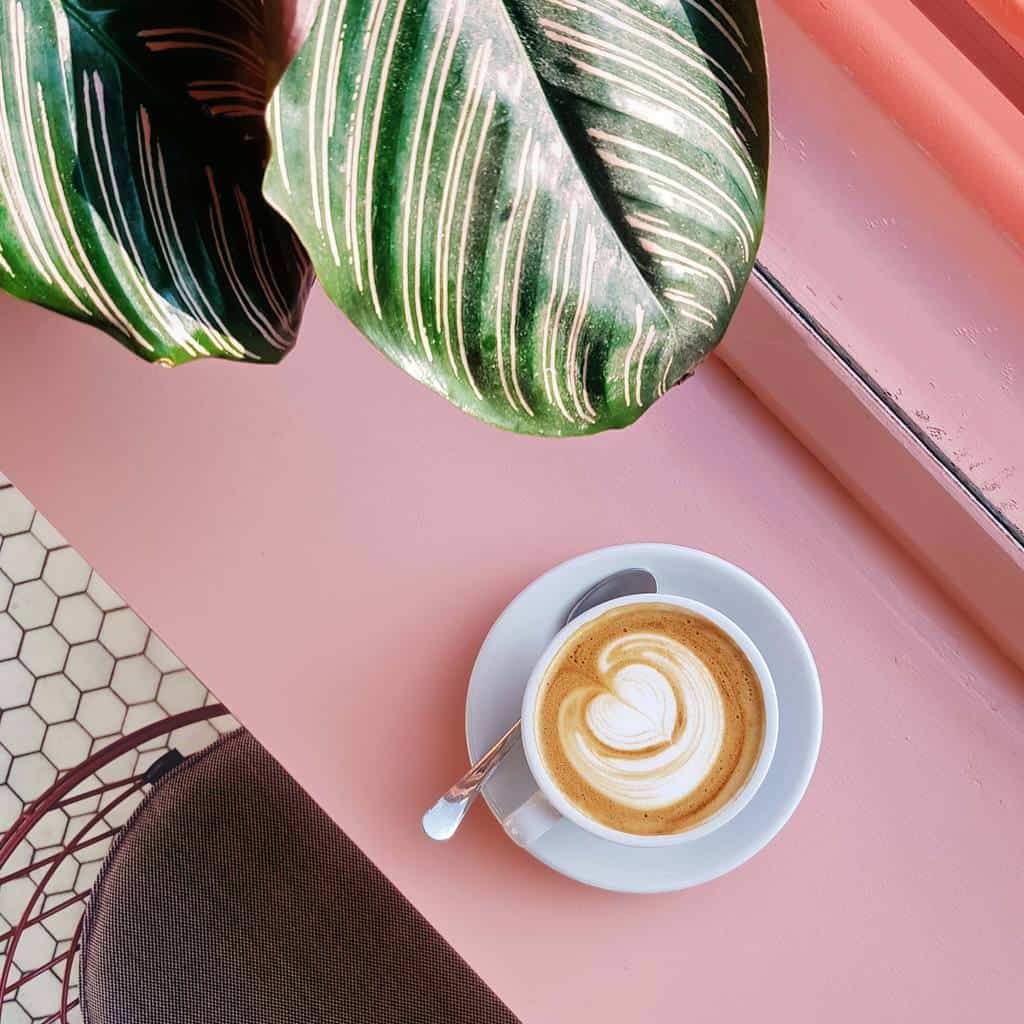
Coffee’s journey begins on the farm and continues through all the unique traditions and rituals surrounding the drink in each country. Its various forms and preparation methods reflect the national customs and way of life all over the world, from the bustling streets of Rome to the serene coffee farms in Colombia. Each country has developed its own individual approach to coffee, creating countless customs and traditions that tell the story of the community and its culture.
There are also millions of coffee farms and millions of ways to experience coffee. Each has its own story, created through the rituals and preparation of coffee. The aromas of coffee tell stories of rituals and calm ceremonies from Japan, emphasize the importance of savouring and enjoying each sip in Italy, and inspire complete relaxation and creativity in every country. Each culture has its unique way of using coffee and its rich, warm aroma to tell stories.
Get a FREE first bag of coffee from our friends at Atlas Coffee Club when you subscribe. Enter your email to get the deal.
1. Italy: The Art of Espresso at the Local Café
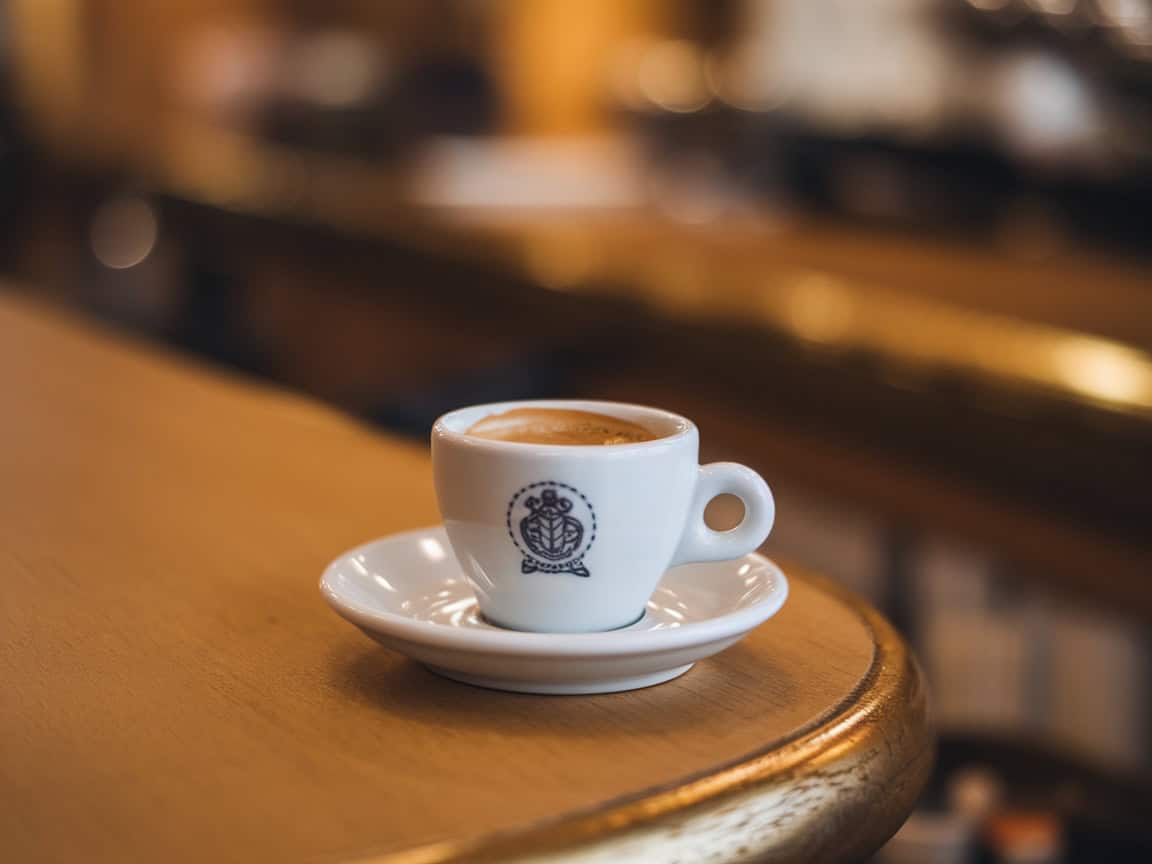
Espresso is one of the many traditions found in Italy. Like many Italians, the start of their day is at the bars with a shot of espresso. Italian culture sees this as an opportunity to gain a minute of calm within all of the hurry. Rather than an individual act, where coffee is drunk in solitude, the Italian custom sees espresso as a collective endeavuor.
It is typical to engage in conversations with the barista and co-workers. The simple act of drinking coffee brings the sense of community, which is the essence of the Italian coffee culture. The coffee culture in Italy is epitomized in the fashion of the cafes in Milan and Rome. Each cafe creates defined atmospheres that are a microcosm of the broader Italian espresso culture.
2. Ethiopia: The Birthplace of Coffee and Its Ceremonial Heritage
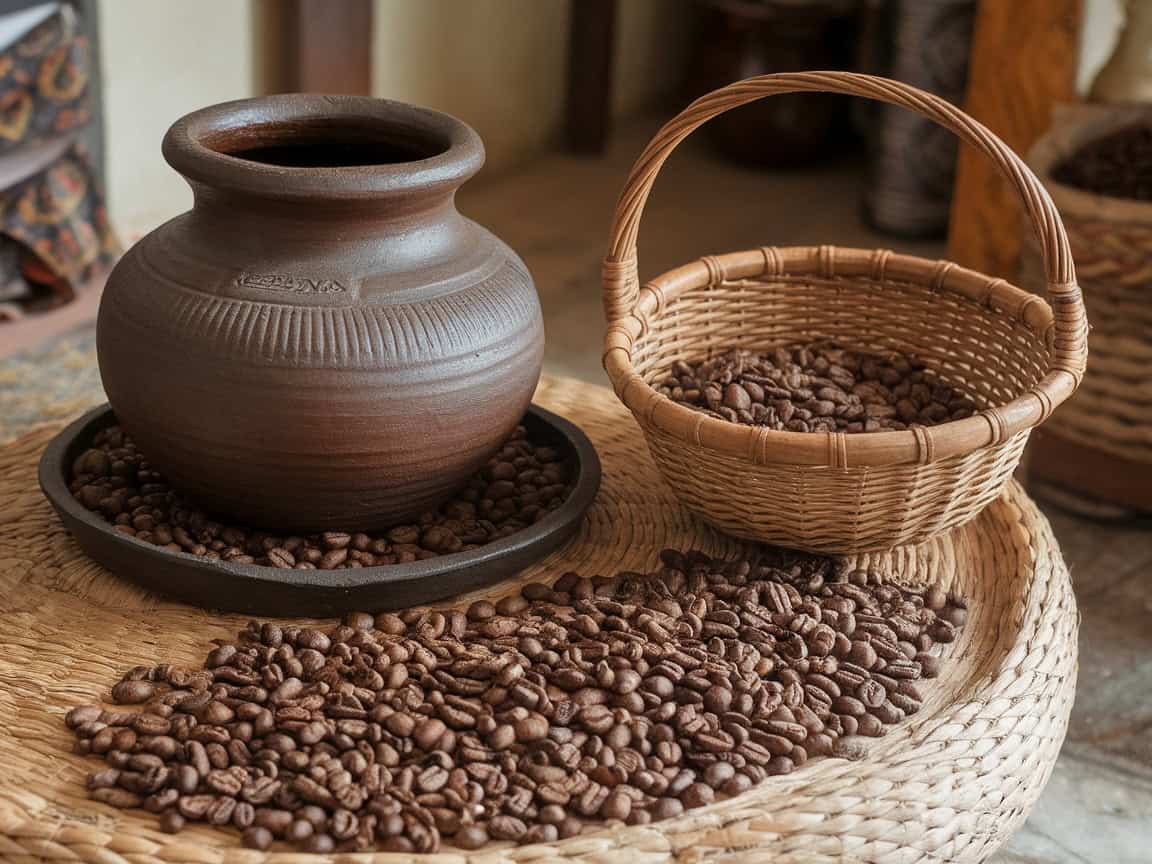
There are many traditions around coffee in Ethiopia as well. As the oldest home of the coffee plant, Ethiopia has a rich tradition of coffee and many countries have developed their own traditions around the drink. It is not uncommon for people to have rituals associated with coffee. The Ethiopian coffee ceremony is practiced to show the warmth and hospitality of the host, act of love, and respect to the guests. It also aims to strengthen relationships.
During the ceremony, green (unroasted) coffee beans are used. The host roaster the beans over an open flame and everyone within the vicinity is invited to partake in the ceremony. Both the roasting and grinding of the beans are social activities, making this ceremony an effective means of communication.
3. Turkey: Savoring Thick Turkish Coffee with Fortune Telling
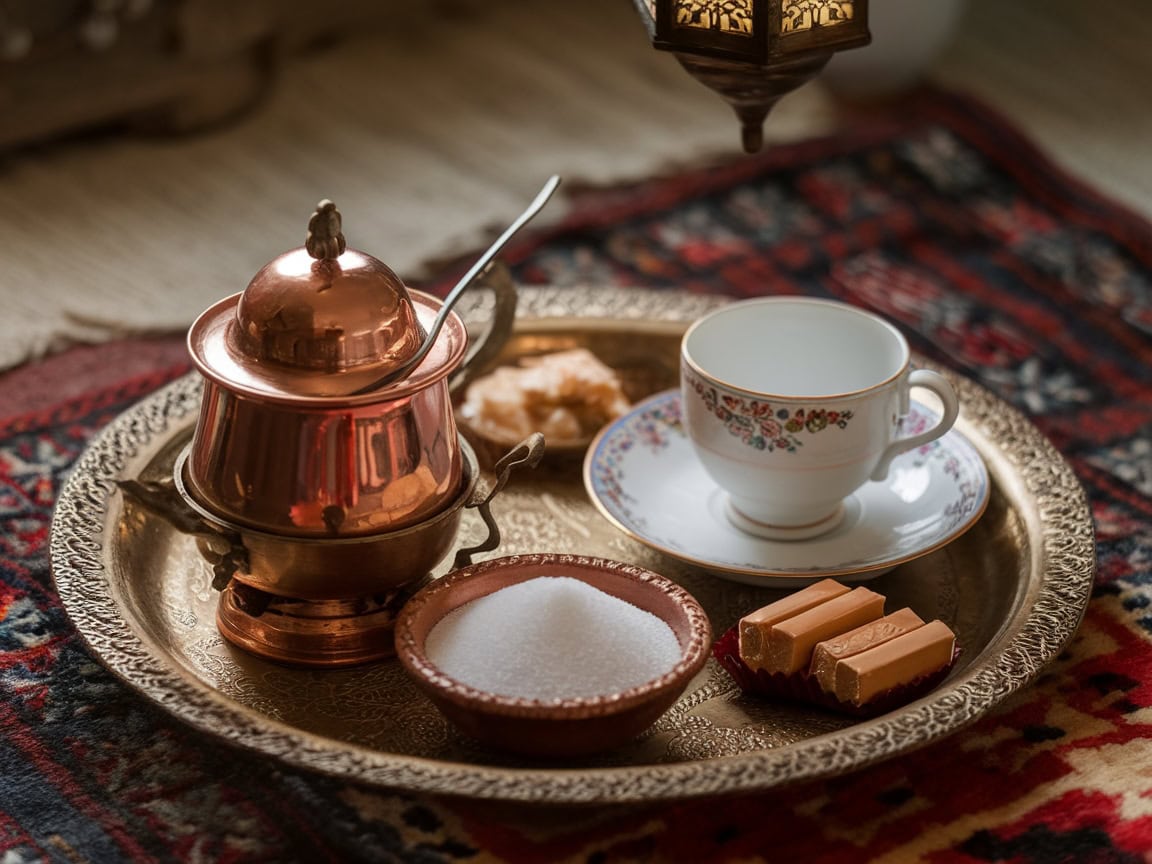
In Turkey, coffee has been a part of the culture, social customs, and even some aspects of mythology for a long time. A particular type of coffee known as Turkish coffee, is different from all other types of coffee due to its method of preparation and how its taste is filtered. The coffee is prepared in a special pot called a ‘cezve’ which holds the ingredients together as they brew (sugar and water). Once brewed, a thick froth forms on top and no other cream is added.
Many coffee cultures add other types of cream to their coffee but Turkish coffee is not one of them. A particular fun element of the practice of drinking Turkish coffee is fortune telling (tasseography). In this practice, after drinking the coffee, the drinker turns the cup upside down on a saucer. This practice fosters social interaction among participants and helps people connect. The experience is layered and with so many levels of interaction, it gives people many opportunities to socialize.
4. Vietnam: Iced Coffee Sweetened with Condensed Milk
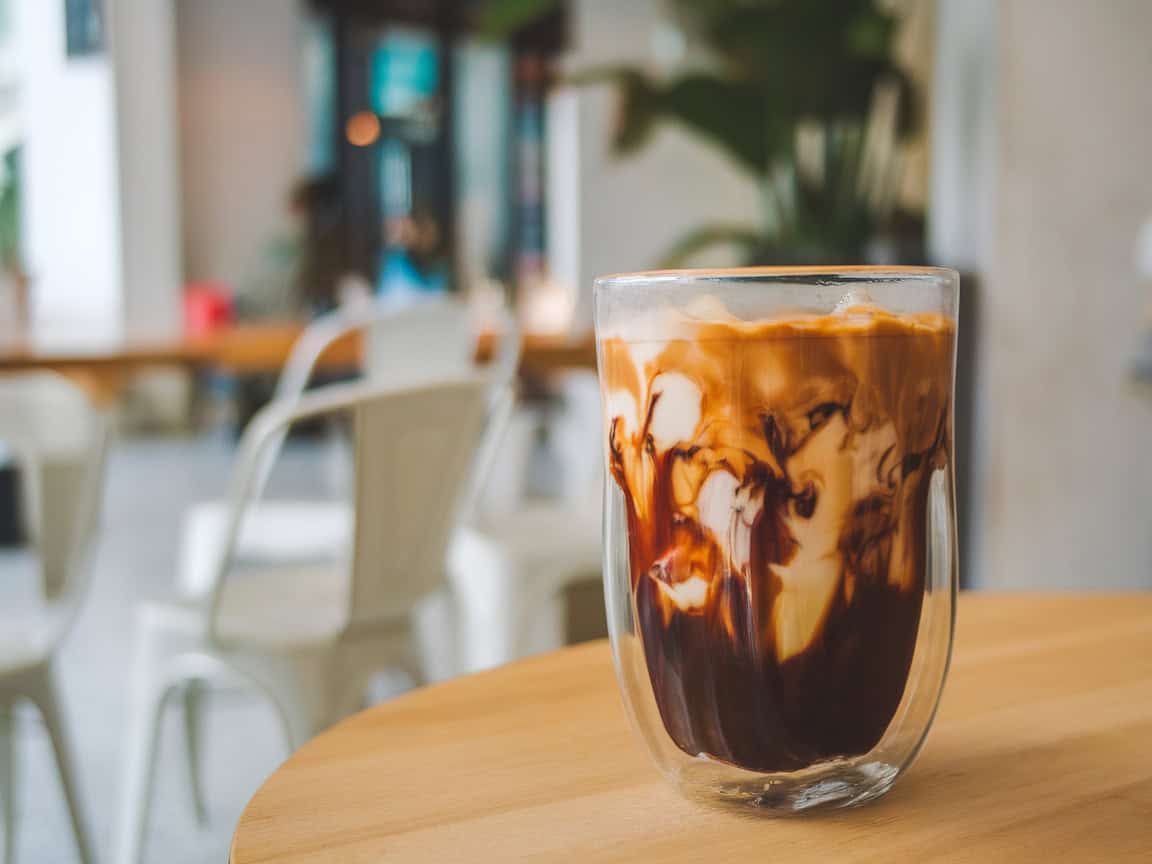
Vietnamese coffee culture is known for its unique and extraordinary customer-centered experience. Prices are low and the world-class coffee certainly enhances the quality of the experience. Customers will remark about the quality of the iced coffee with its perfect blend of sweetened condensed milk and bitter espresso. Customers will mingle and take part in the culture, many ordering Cà phê sữa đá, which is made with robusta beans grown in Vietnam.
A customer will sit down with a special metal filter called a phin that slowly drips coffee down into the seamless, glass contraption. They will layer sweetened condensed milk at the bottom, with the ice at the top, and then give the drink a stir. Customers will experience the magic of rich coffee and sweetened condensed milk all at once, something they will remember and want to do over and over again. It is the perfect finish to your meal here.
5. Austria: The Elegance of Viennese Coffee Houses
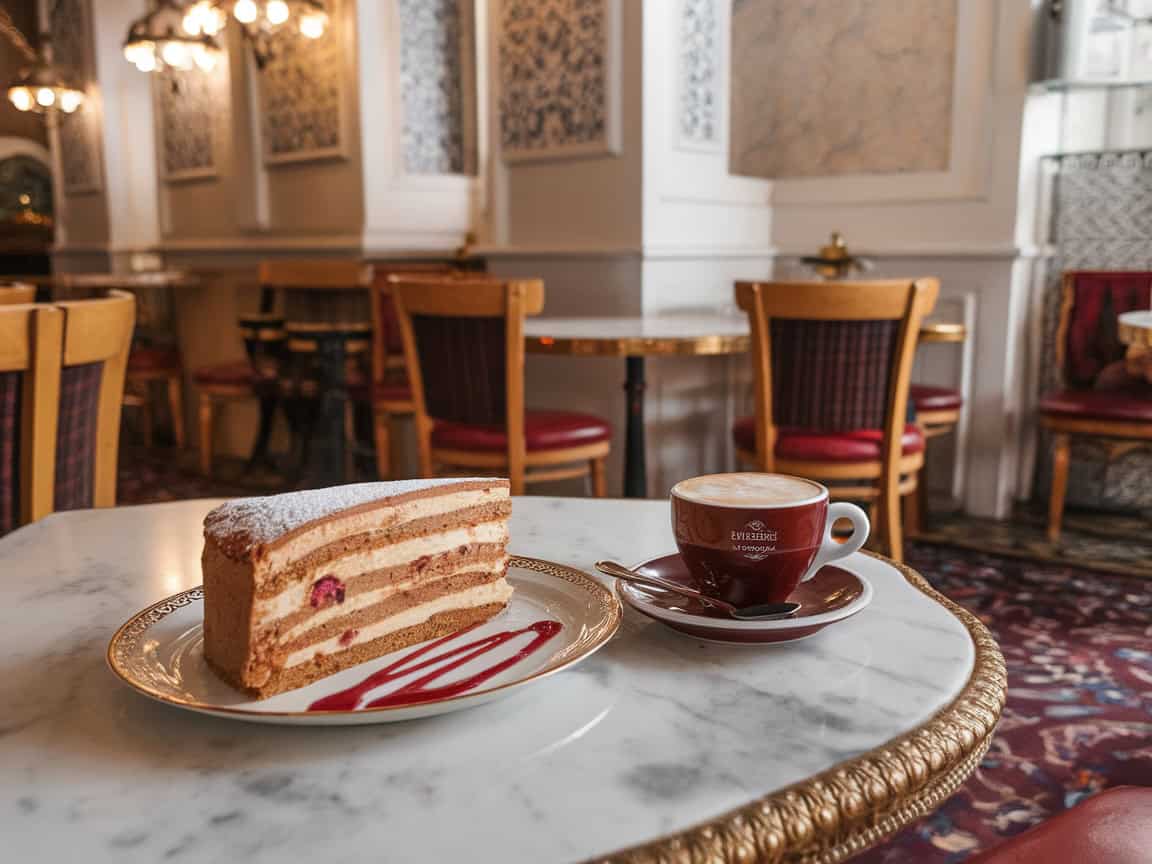
In Vienna, drinking coffee is almost ceremonial. They treat coffee with great honor. Vienna coffee shops are known for their complex designs and interiors. They invite their customers to sit for long hours over their coffee. They encourage patrons to stay over a drink to enjoy a meal that may include one of the most famous desserts. Left over from wartime, the Sachertorte cake is one of the most well-known Vienna coffee shop cakes to serve with coffee.
The Vienna coffee shop gives a very calm atmosphere where people can come to converse intellectually and participate in some artsy thing, while other people can do something simple like watch people and play social games and/or have a casual talk with someone. The coffee house is created to foster culture and social life. The espresso house also enjoys a slow flow and gives much more of an actual coffee house culture and the Viennese way of life.
6. Japan: Precision and Patience in Pour-Over Brewing
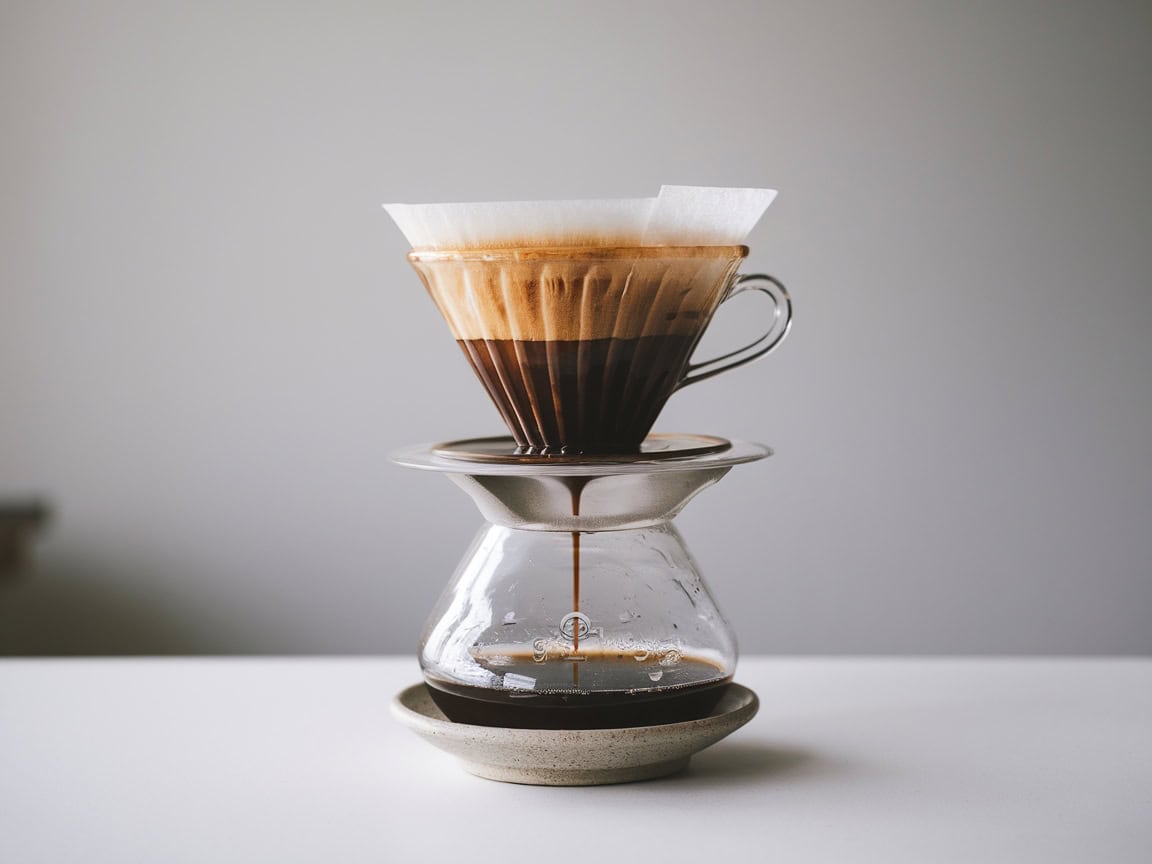
Japan has a highly developed and traditional method of preparing an individual cup of coffee that is similar to a Japanese tea ceremony. One of the relatively new styles of preparing coffee is called pour-over coffee. Because of the numerous details that the coffee makers focus on, the entire process takes a considerable amount of time.
However, their goal is to allow the true brewed flavor of the coffee to emerge, allowing the multiple subtleties of coffee to be captured. Each individual’s ritual serves as a brief escape from the fast-paced world that they will be returning to soon. The minimalist design of the small coffee shops reflects the focus and helps to eliminate distractions from the outside world.
7. Brazil: From Farm to Cup in the World’s Largest Coffee Producer
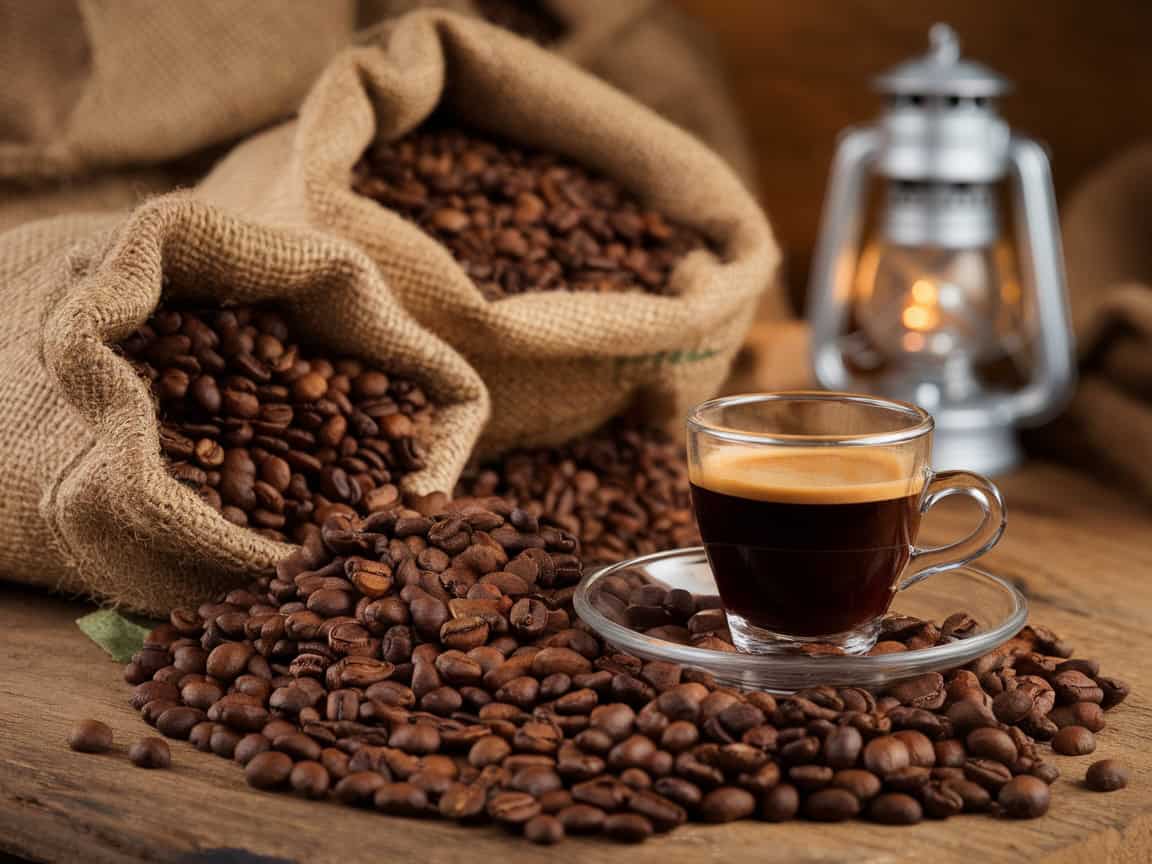
Coffee and Brasil are almost interchangeable. Brasil has a fascinating history in the trade and culture of coffee. The hills of Minas Gerais are almost all coffee plantations. The coffee market in São Paulo is one of the most important in Brasil. The lifestyle and economy of Brasil are almost entirely dependent on coffee.
Coffee from Brasil has a unique flavor. It is smooth and dark. Visitors to a coffee farm can witness the passion that goes into producing those beans. The dedication of the people who work on the farm affects the coffee’s quality and sustainability. In the countryside of Brazil, you can enjoy a coffee culture that integrates modern and traditional in the modern, sophisticated coffee shops and also in the old coffee cafes.
8. Sweden: Fika Culture—Coffee Breaks with Pastry Delights
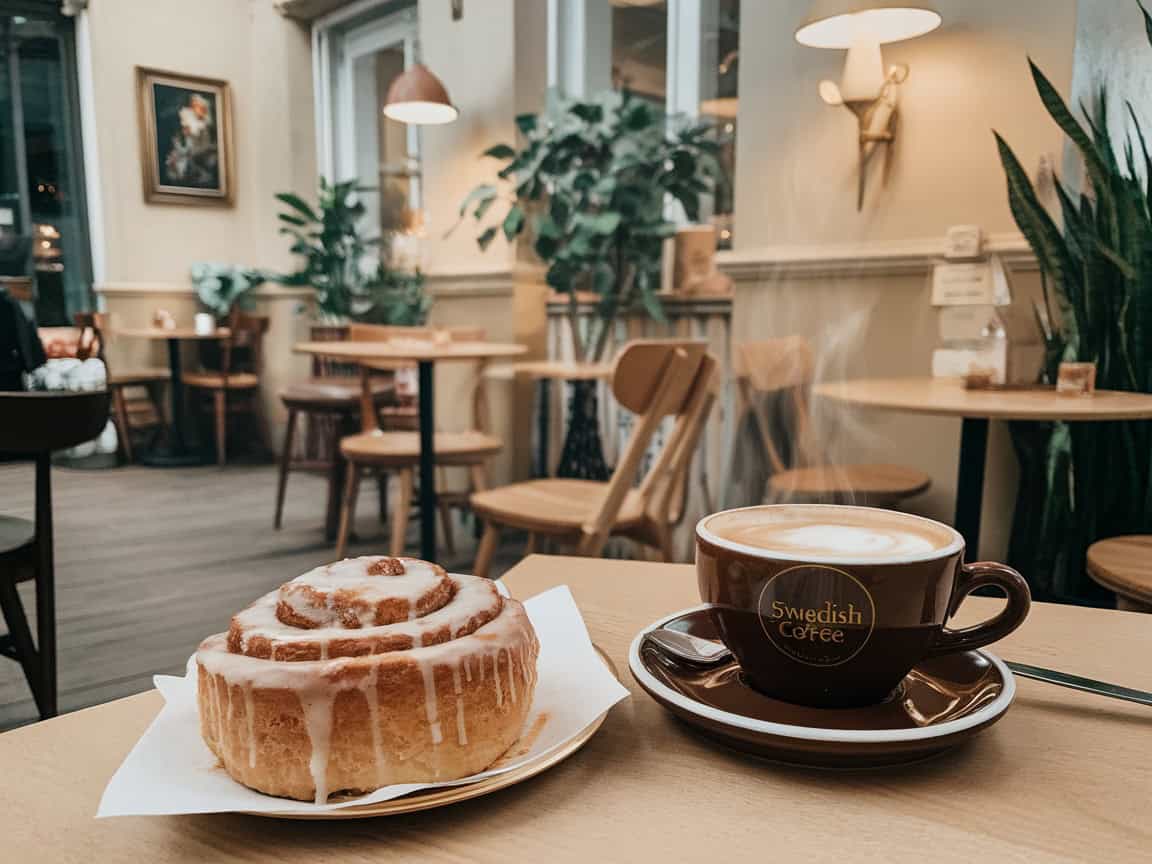
In Sweden, taking a coffee break and enjoying the moment is incorporated by the tradition of ‘fika’. It is not just about having coffee, but the essence of taking a moment off from the daily routine and considering the little things in life. Tradition of ‘fika’ encourages getting to know people and strengthening relationships. Enjoying a warm Swedish cinnamon bun in ‘fika’ will certainly deepen relaxation and pleasure.
Stepping out of the daily coffee routine is more than drinking coffee; it is a ritual that promotes peace and confidence. The balance is stress-free, and the culture of coffee in the workplace is relaxed. This will lead to better mental health and strong relationships with co-workers.
9. France: Café Terraces and the Art of People-Watching
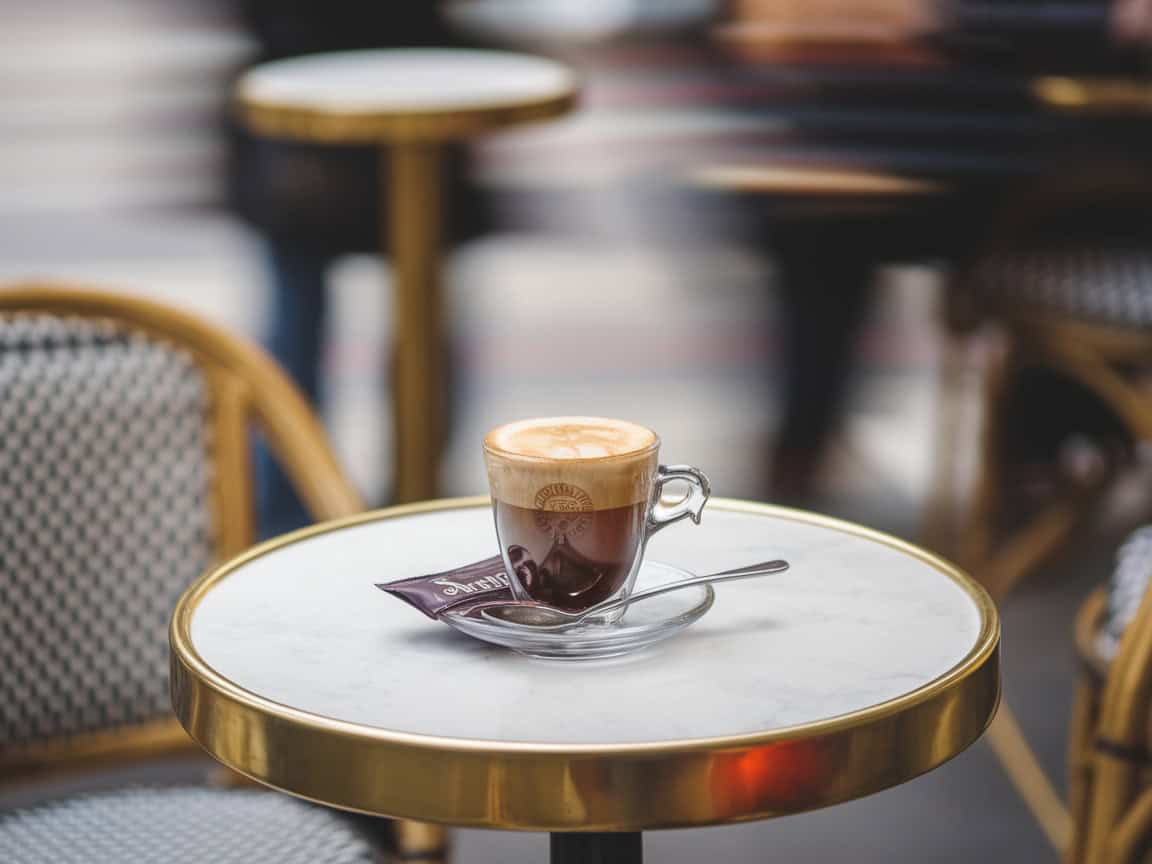
In France, enjoying a cup of coffee can be more than an everyday habit; it can be an integral part of a bigger social and cultural habit. One of the reasons people feel attached to their local cafés is the outdoor seating area. Parisians and visitors can delight in the bright, warm sun and fresh air while watching the passing crowd. Espresso and café au lait patrons savor the artistic atmosphere as much as the friendly waiters serve the coffee.
The exquisite boulevards of Paris and the small charming squares of Provence are sprinkled with cafés to draw in both local residents and travelers. They enjoy the exquisite atmosphere as well as the artistic craft of serving an espresso or a café au lait. The small charming squares of Provence and the exquisite boulevards of Paris are sprinkled with cafés to attract local residents and traveling customers. Each terrace offers a different piece of the rest of France and the authentic Paris that we all know.
10. Australia: Crafting the Perfect Flat White
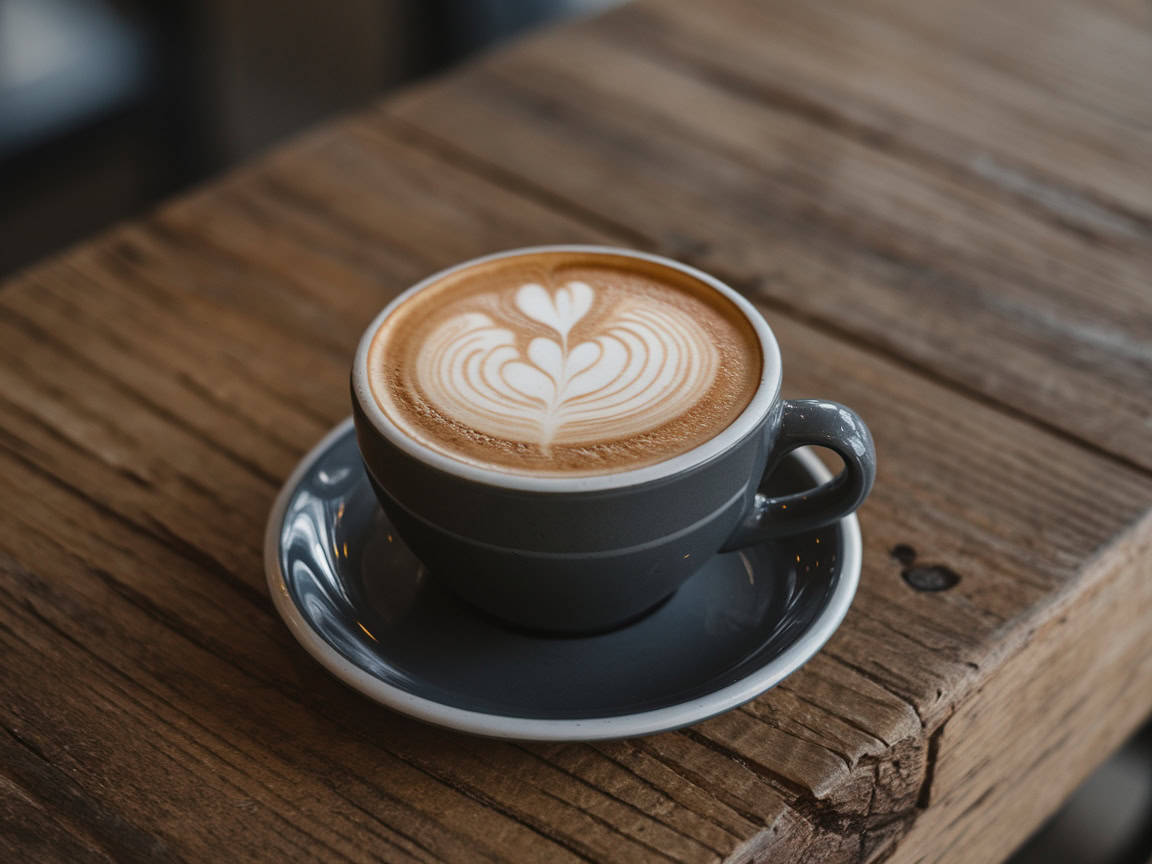
There is a lot of passion and skill in Australia’s coffee culture, especially when it comes to baristas and their dedication to the craft of espresso drinks. One of Australia’s pride drinks is the flat white. It was born out of the fast-paced coffee culture in cities like Melbourne and Sydney. A flat white is made with a double shot of espresso and steamed microfoam of milk.
What makes a flat white special is the texture; it is rich and smooth, yet still allows the natural flavors of the coffee to shine through. Australian coffee culture is artisanal; they enjoy playing with different methods, milk types, and foam to get the best drink possible. The latte art on the finished drink is often a canvas for the barista’s creativity. To drink a flat white is to enjoy a part of Australian history.
11. Greece: Socializing Over a Glass of Frappé

The mere presence of Frappé is something else. Customers create a hospitable environment, whether it be in spacious taverns, or on chill beach fronts. It helps foster a social atmosphere, and before you know it, you have a circle of friends sipping on frappés together. It uses a little bit of a process to prepare. In a glass, instant coffee, water, and sugar are mixed really well to create foam, which is then poured over some ice, and a bit of milk is added for taste. The first Frappé was made in Thessaloniki, Greece. Since then, it has symbolized carefree conversation for those who partake in it.
12. Cuba: The Bold Flavor of Café Cubano
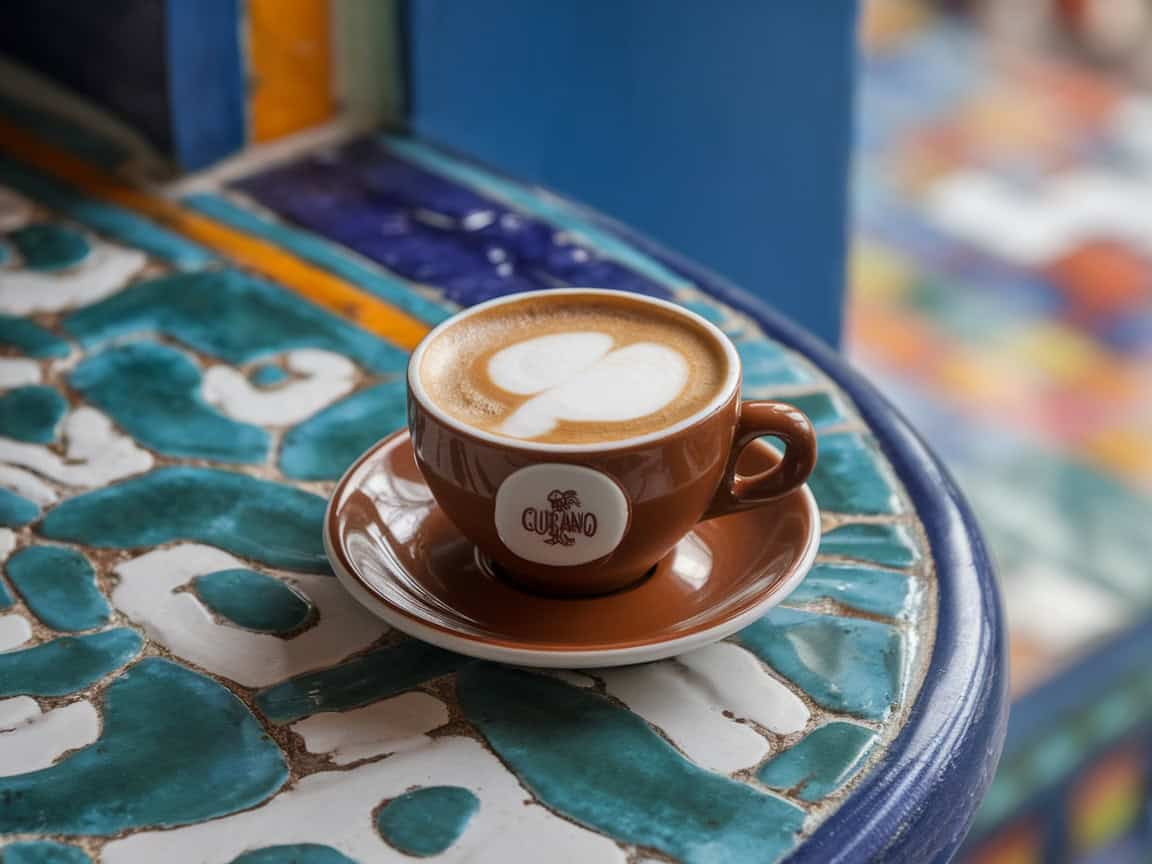
In Cuba, the use of coffee goes further than simply gaining energy for the day. It has become a hospitable means of offering something to others, becoming a cultural emblem of the country. One of the many ways to have coffee in Cuba is to prepare something called Café Cubano. It is made using a type of Cuban coffee known as Cubalito or sweet espresso.
To prepare it, the espresso is mixed with sugar, forming a creamy, frothy layer on top. It is quite unique in taste and highly social, as it is served in gatherings. It can be at a neighborhood cafe, a family friend’s gathering, or just for a few friends. It creates lively and friendly atmospheres. Making a Café Cubano is a ritual everyone should partake in at least once.
13. Morocco: Aromatic Spiced Coffee in Vibrant Markets
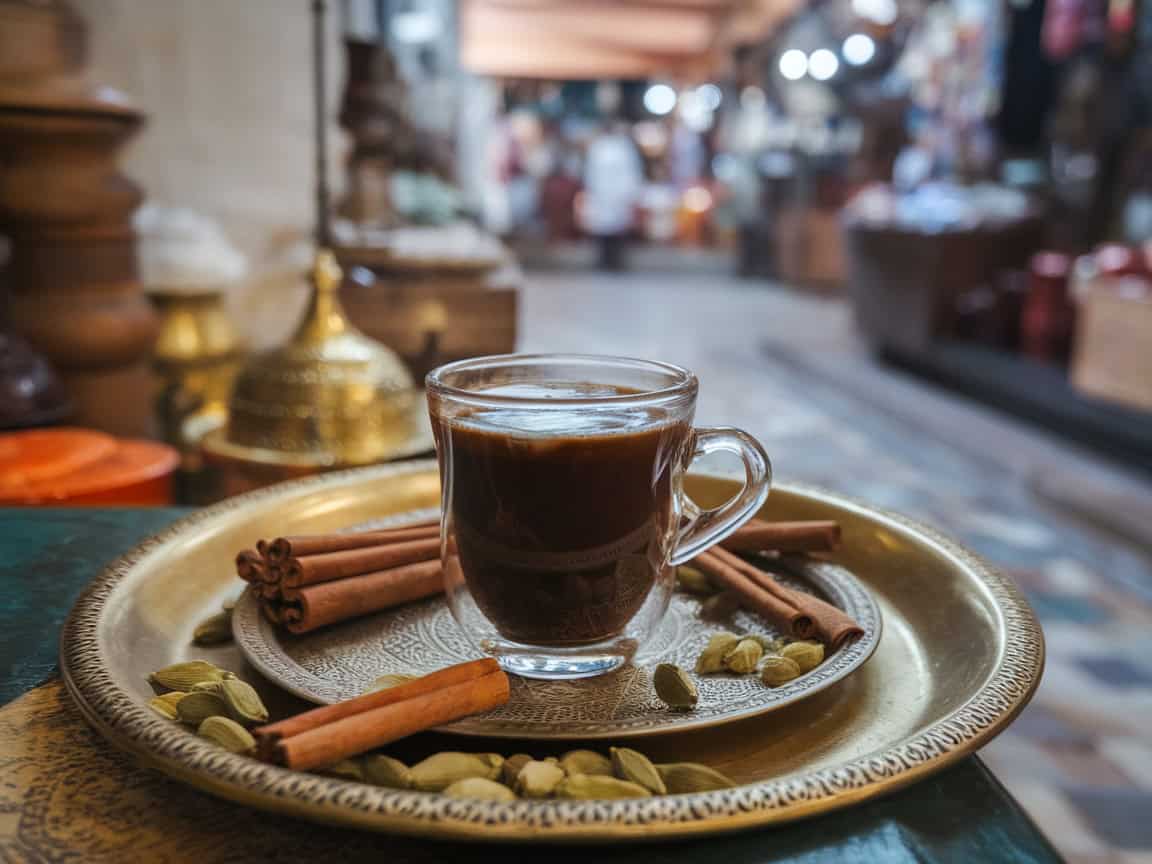
Marrakech is a city that is full of sensory experiences, and part of that is the rich coffee culture of the city. At the market, the signature “spiced coffee” is made with different combinations of cardamom, nutmeg, cinnamon, and other spices. It is a fusion of Moroccan taste traditions. As you walk through the spice market, the aroma of coffee pulls you in.
For Moroccans, coffee is incredibly important. They enjoy offering it to friends and guests. Coffee in Moroccan culture is all about the experience. It’s true that while you are negotiating for a hand-woven carpet in the Medina backstreets, your cup of spiced coffee has a greater value than the price of the coffee. It’s the true value of the experience of the warm service traditions of Morocco.
14. Colombia: Coffee Farming in the Lush Andes
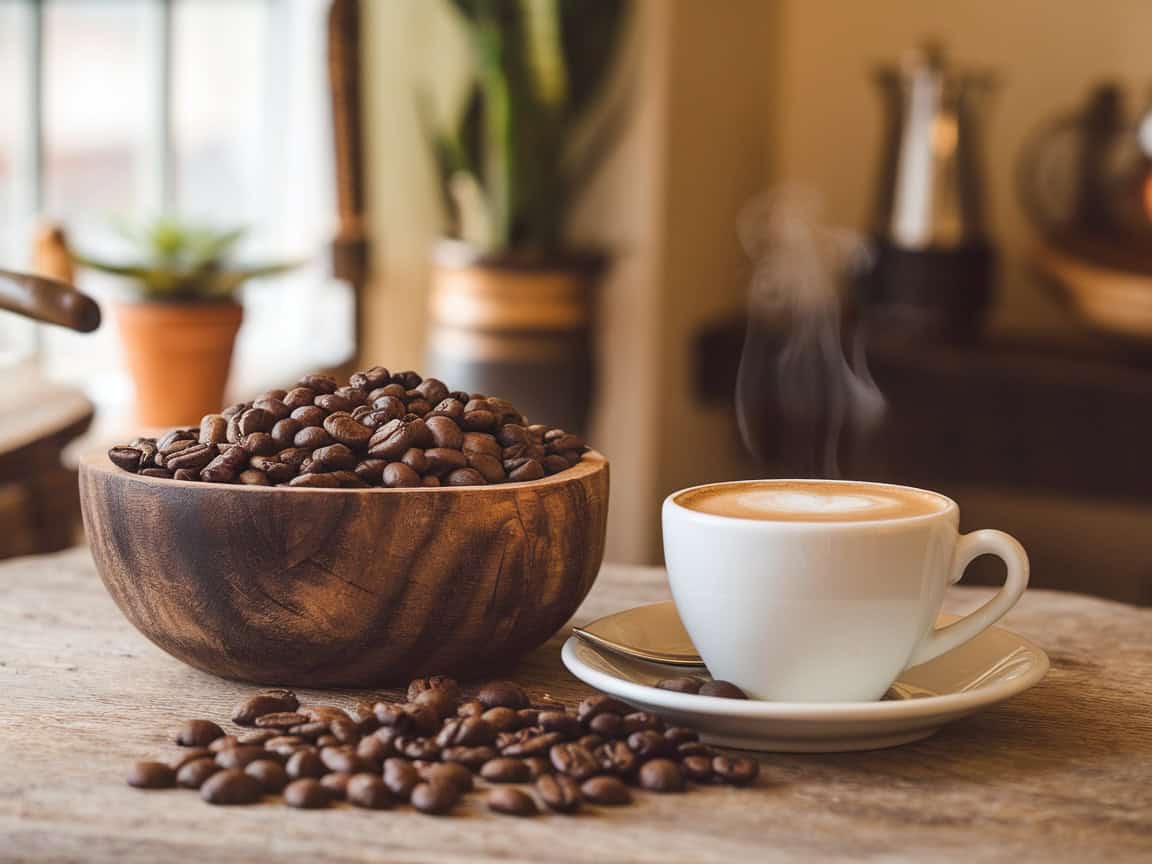
Colombia’s culture and economy heavily benefit from coffee. The Andes Mountains grow excellent quality coffee beans and inspire the ‘coffee axis.’ This is the region where many family-operated businesses cultivate fine-quality Arabica beans. Growing coffee fosters a unique relationship that the farmers have with the land. The knowledge of these skills has been passed down through generations.
Many area visitors get the pleasure of picking coffee cherries, brewing, and tasting coffee. This embodies the pride that farmers have for their work, and it also illustrates their relentless effort to provide us with a fine cup of Colombian coffee. A high-quality cup of Colombian coffee is a result of the perfect blend of the available natural resources, along with the meticulously crafted labor of each bean.
15. United States: The Rise of the Third-Wave Coffee Movement
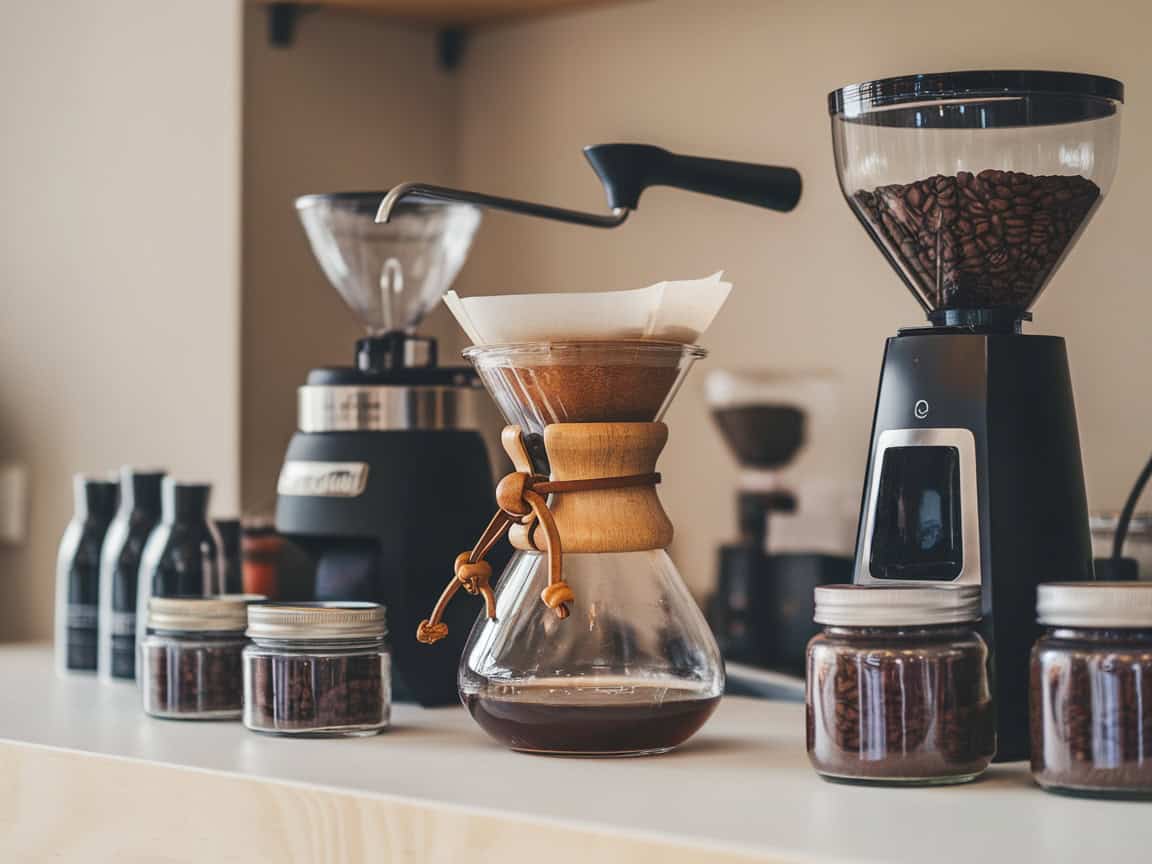
People used to drink coffee strictly as a morning ritual. Drinking a cup as they rush out the door gives that quick burst of caffeine to help them start the day. But increasingly people began to notice and appreciate the finer points in coffee. They started to take notice of how coffee is made, different types of beans, and even different methods of roasting and brewing. In the United States, we have the Third Wave Coffee Movement. It is a movement that appreciates and treats coffee like fine wine.
This movement has opened up lots of smaller coffee shops across the United States, especially in Portland, Seattle, and New York City. These coffee shops have a great appreciation for sustainability through their use of single-origin beans that are ethically sourced. Employees of these coffee shops appreciate their jobs and take them very seriously. They strive to create the best product possible through manual brewing and using specialty equipment that goes far beyond your average coffee machine. Different methods such as pour-over, AeroPress, and even siphon brewing unlock flavors and aromas that machine-brewed coffee can’t achieve. This has changed how Americans view and drink coffee. People want to think about and know the process that has gone into the coffee that they consume.