I test coffee gear for a living, so I run water through everything from anonymous grocery store bricks to ultra-rare micro-lots. I get asked about expensive coffee often. Is it worth it? Yes, but a $50 bag of coffee will taste worse than a $5 bag if you don’t have the right gear to brew it.
The coffee internet tends to bleed debates about insignificant factors. But when it comes to the difference between commodity coffee and specialty coffee, it is not a rounding error. It’s a difference that is fundamental in the areas of farming, processing, and roasting methodology.
Get a FREE first bag of coffee from our friends at Atlas Coffee Club when you subscribe. Enter your email to get the deal.
Let’s examine the specifics of why these bags are priced differently, and why choosing the most expensive bag on the shelf could be a terrible decision for your kitchen.
The Price Tier Breakdown
Here’s what you’re getting with the average price ranges before we look at the extremes.
| Price Tier (12oz Bag) | Sourcing & Traceability | Typical Roast Level | Defect Tolerance | Cost Per Cup (15g dose) |
|---|---|---|---|---|
| $5 (Commodity) | Bulk anonymous blends, often mixing arabica and robusta. | Very Dark | High (masked by roasting process) | ~$0.22 |
| $20 (Specialty Sweet Spot) | Single origin or specific farm blends. Fully traceable. | Light to Medium | Very Low | ~$0.88 |
| $50 (Competition/Rare) | Specific micro-lots, rare varietals (like Geisha), experimental processing. | Very Light | Zero | ~$2.20 |
The $5 Bag: The Commodity Reality
A $5 bag of coffee is the result of a bulk agricultural transaction. The coffee beans come from large regional lots that often include a combination of lower-quality Arabica beans and inexpensive Robusta beans to reduce costs.
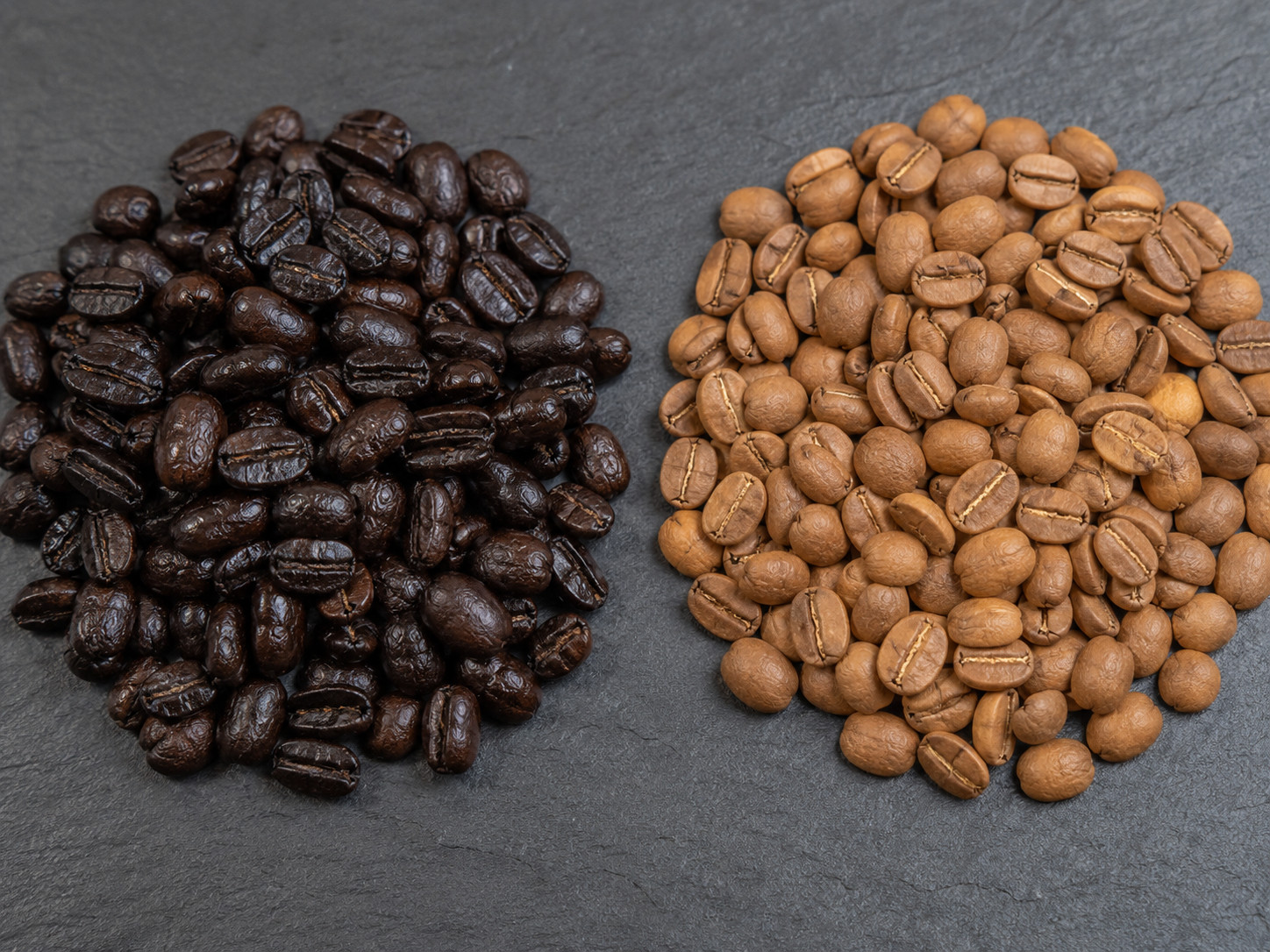
The defining feature of this price tier is the roast level. Beans at this level are taken by roasters extremely dark. They do this to hide defects. Light roasts will taste horrible if the beans are insect-damaged or were picked unripe. An oily and black roast will standardize the flavor. So you’ll get ash, dark chocolate, and a lot of bitterness.
There is an upside to this method. Dark roasts are super easy to break down. The heat has caused significant damage to the structure of the bean. It’s easy for water to break the compounds down. You can run this coffee through a cheap $20 drip machine that has bad temperature control, and you’ll still get a fairly consistent cup. It is super forgiving.
The $50 Bag: The Competition Tier
At $50 for a standard bag, you are entering the high-end specialty market. You are no longer buying a generic blend. You are buying a specific varietal, grown on a specific plot of land, and processed using highly controlled methods like anaerobic fermentation.
These beans are quite dense. Roasters keep them very light to preserve the delicate floral and fruit notes that are inherent to the seed. This creates a mechanical problem for the homebrewer. Light roasts are notoriously difficult to extract.
If you grind a $50 light roast with a cheap blade grinder and brew it in a standard coffee maker, the water will channel right past the uneven boulders. The resulting cup will taste like sour vegetable water. The coffee maker simply cannot get the water hot enough, and the grinder cannot create a uniform enough particle size to pull the desirable flavors out of the dense bean.
In order to get your money out of this coffee, you will need a grinder that has precise burr alignment, water that is just off the boil, and you will need to have a good technique.
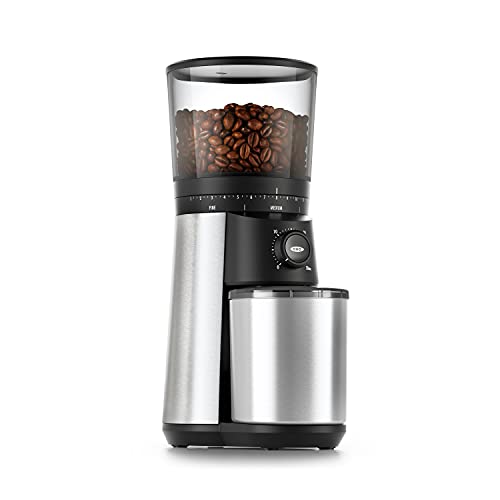
OXO Brew Conical Burr Coffee Grinder
Check PriceThe Law of Diminishing Returns
To better your coffee experience at home, you should know where your money goes.
The jump from $5 to $20 is the biggest leap in quality you can make. You move from defective, burnt seeds to carefully sorted, properly roasted coffee. This is where you find excellent single-origin beans. The flavors become distinct. You can taste the difference between a washed Ethiopian coffee and a natural-processed bean from Brazil. This is the sweet spot for daily drinking.
A price increase from $20 to $50 tells a different story. It becomes less about buying a \\”better morning cup\\” and rather about scarcity. You are supporting novel fermentation techniques. You are purchasing an agricultural product with limited yields and diminishing returns. Once you pass the $20 mark, the returns reduce significantly.
Pragmatic Buying Advice
Don’t buy coffee that is of superior quality to your equipment, so buy beans that match your gear.
- If you’re using a regular automatic drip machine, stay in the $10 to $15 range, and buy medium or dark roasts. Your machine won’t extract light roasts well, so there’s no reason to spend more.
- If you own a good burr grinder and a pour-over setup, the $18 to $25 bag is your workhorse. Your gear can handle light and medium roasts, allowing you to actually taste the origin characteristics.
- If you have a high-end espresso machine or precision flat burrs, you have the equipment necessary to extract a $50 bag. Purchase it when you want to try out rare varietals and have the time to dial in the grind.
Bean marketing may try to convince you that buying premium beans will transform a subpar cup of coffee into something great. This is simply not true. Buy the best beans your grinder is capable of and ignore the rest.