I have a different setup than most people when it comes to kitchen decor. I have glass carafes (and other ceramics) instead of houseplants. I have a selection of pour-over drippers that I switch out regularly. I take my morning coffee routine very seriously. I weigh my beans, and reassess water temperatures. However, I broke an invisible rule one month ago and made my pour-over coffee using the wrong water.
In particular, I collected unfiltered tap water straight from the sink for thirty days. The quality of water used is an unmeasured influencing factor in pour over coffee. Since water makes up about ninety-eight percent of your morning mug, the water used will determine the quality of the coffee. I am trying to figure out if the tap water rule is just coffee snobbery, or if there is some scientific basis behind it.
Get a FREE first bag of coffee from our friends at Atlas Coffee Club when you subscribe. Enter your email to get the deal.
The Tap Water Experiment
I live in a place where the water coming out of the tap is sort of hard. When drinking it straight, I would say the taste is acceptable. So, I make my coffee using the same water. Because of this I started to do a few things. I stopped using my water pitcher that has a filter, I stopped using the fancy mineral packets I get sometimes, I simply turned on the tap, filled my kettle, and hoped for the best. gooseneck kettle

Week 1: Where Did the Flavor Go?
On the morning of the first day, I made a light roast Ethiopian coffee. I typically get bright berry notes and a sweet finish from this one. With the tap water, those fruit flavors disappeared entirely.
The coffee tasted off. It felt thick and chalky. High calcium and magnesium water considered ‘hard water’ is good for your bones but makes coffee taste bad. The minerals act like a sponge in the coffee grounds and pull out the bad bitter parts but leave the good sweet and fruity parts behind. By the end of week one I was drinking coffee that was boring and too bitter even though my grinding and pouring technique had definitely not changed.
Week 2 and 3: The Kettle Takes a Hit
By week three, my gear began to complain. I saw a white, crusty ring starting to form in my favorite kettle. This was caused by the hard water leaving scale buildups from boiling.
I had to use my trusty white vinegar to clean it. If you have an electric gooseneck kettle that costs 90 bucks, you probably want to take care of it to avoid having to deal with build up of mineral deposits. The scale also seemed to make the water heat up a bit slower which messed with my morning routine.
Week 4: The Breaking Point
Last week, I was starting to hate my morning coffee. The bitternes was leaving a bad taste in my mouth. I remember the clean cups I had to wash. I also came to the conclusion that buying quality coffee beans just to see them get ruined by water that subdues their taste is a waste of money.
What Actually Makes Water “Right” for Coffee?
You don’t need a degree in chemistry to know what coffee water is. All you need to know is what you put in your kettle. Here is the most common option breakdown.
| Water Type | The Verdict | Best For |
|---|---|---|
| Unfiltered Tap | Unpredictable. Often too hard or smells like chlorine. | Washing dishes. |
| Distilled / Reverse Osmosis | Zero minerals. Makes coffee taste flat and sour. | Steam irons, not coffee. |
| Filtered Pitcher / Fridge | Removes chlorine and bad tastes. Keeps some minerals. | Most home brewers. |
| Specialty Coffee Water | Distilled water mixed with exact mineral packets. | Getting the absolute best flavor from expensive beans. |
How to Fix Your Coffee Water Today
You do not have to spend big money to repair your water. If you wish to see if your tap water is holding back your coffee, try this easy checklist.
- Smell it: Fill a glass with tap water. If it smells like a swimming pool, that chlorine is going straight into your coffee.
- Taste it warm: Heat up a mug of plain tap water and take a sip. If it tastes metallic or chalky when warm, it will ruin your brew.
- Check your kettle: Look inside. If you see white flakes or a chalky ring at the bottom, your water is too hard.
Here are some easy upgrades you can make to enhance your morning routine. An upgrade you can make to your coffee maker is to buy a simple charcoal filter pitcher that you can store in the fridge. Use the filter pitcher for coffee maker only. If your water fails any of these tests, you should get one.
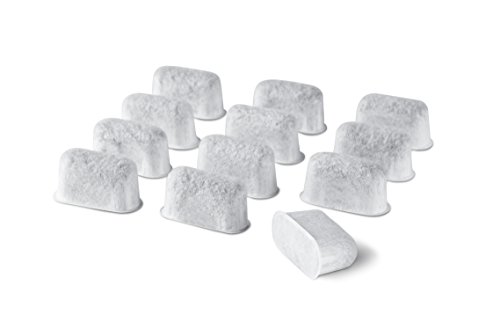
Geesta 12-Pack Charcoal Water Filters for Cuisinart
Check PriceFrequently Asked Questions
Can I use bottled spring water for pour-over coffee?
Buying spring bottled water is wasteful. When brewing coffee, bottled water can be used since it has a balanced mineral content, but spring bottled water can become costly. It’s better to buy a home water filter.
Does boiling tap water make it better for coffee?
Even though boiling water does kill bacteria, it does not remove some of the heavier minerals that can be found in water such as magnesium and calcium. It is actually the boiling of hard water that will cause the annoying build up of white scale in your kettle.
What is Third Wave Water?
If you want to know what your beans are capable of, Third Wave Water can be a fun experiment. They are mineral packets made specifically for coffee brewing. You add one packet to one gallon of distilled water, and it creates the ideal mineral balance needed for coffee extraction. Third Wave Water is a brand of mineral packets
I am now using water that has been filtered. Immediately, the bright, clean flavors returned to my mug. I suppose some of us have to do something the wrong way at first to realize why the rules are in place.